
Arriving in France: the Schengen rules, EES and ETIAS, customs and getting into Paris
France is in the Schengen area, so one set of entry rules covers it and 28 other countries. Most visitors from outside Europe don't need a visa for a short trip, but since 10 April 2026 they are fingerprinted and photographed at the border. You don't need an ETIAS yet: it hadn't started when we checked in late November 2026.
Do you need a visa?
- EU, Icelandic, Norwegian, Liechtenstein and Swiss citizens need only a passport or national identity card.
- Visa-free visitors: citizens of the UK, the USA, Canada, Australia, New Zealand, Japan, South Korea and many other countries can stay for up to 90 days in any 180 days. Days spent in any Schengen country count, so a month in Spain or Italy comes off your 90 days.
- Everyone else needs a Schengen visa. Apply through the official France-Visas website.
- Overstaying can mean a fine or a ban, and the new system counts the days automatically.
- The overseas parts of France, such as Réunion, Guadeloupe and French Polynesia, aren't in the Schengen area and have their own rules.
Your passport
- It must have been issued less than 10 years before you arrive, and be valid for at least three months after you plan to leave the Schengen area.
- At the border you can be asked for a return or onward ticket, proof of where you're staying, travel insurance, and enough money for your stay. If you're staying with friends or family, they may need to get you an attestation d'accueil (a welcome certificate) from their town hall before you come.
EES: fingerprints and a photo
- The Entry/Exit System replaces passport stamps for visitors who aren't citizens of the EU or the other Schengen countries. On your first visit, your face is photographed and your fingerprints are scanned; children under 12 aren't fingerprinted. It's free, and there's nothing to fill in before you travel.
- Your record lasts three years, so later trips should be quicker, though you can still be checked each time.
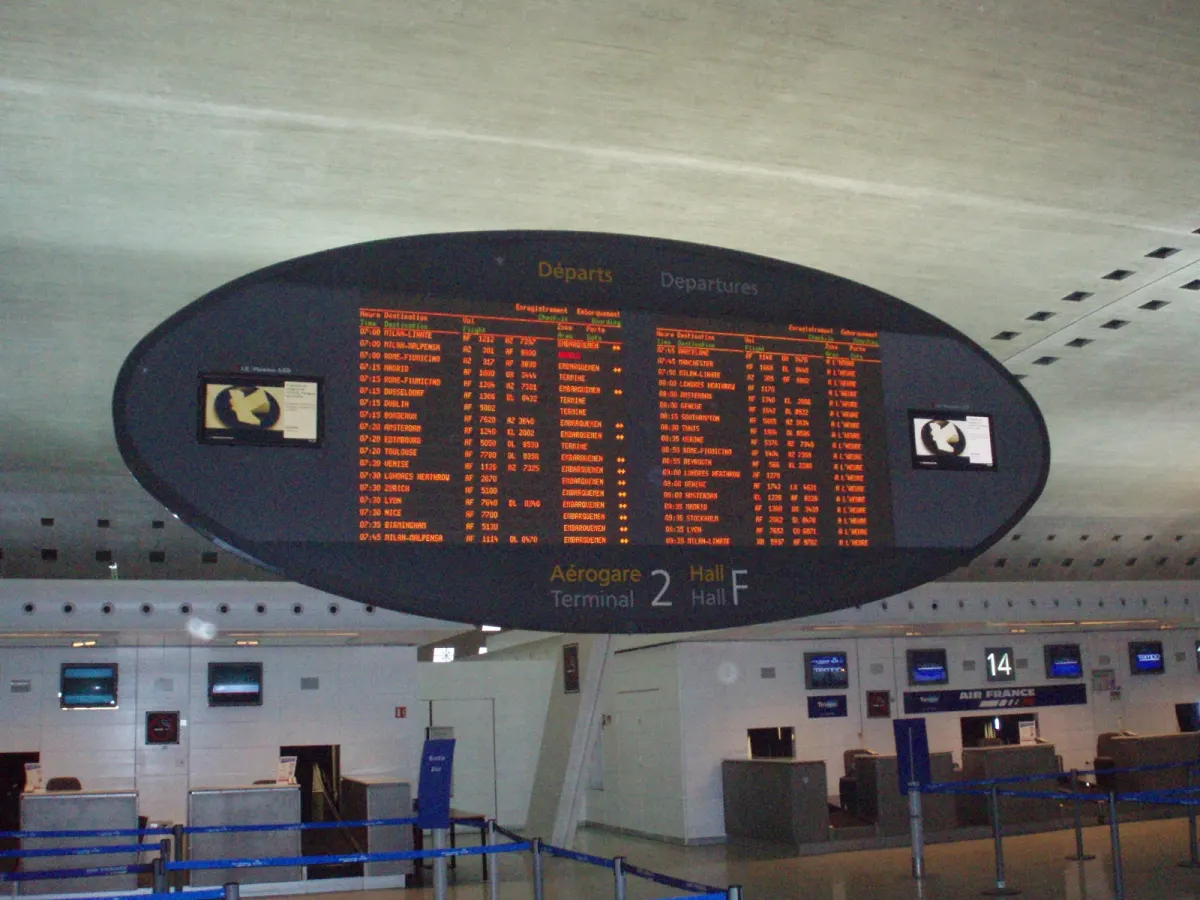
- Allow extra time, especially at Paris Charles de Gaulle. The queues have been long, and the checks happen when you leave too, so go through passport control as soon as you can and don't linger in the shops first.
- If you come from the UK by Eurostar, Eurotunnel or the ferry from Dover, French border officers check you before you leave Britain.
- If you think the system has counted your days wrongly, ask the border officers to correct it, and keep your tickets and boarding passes as proof.
ETIAS: not yet
- ETIAS is an online travel authorisation, like the American ESTA or the British ETA, that visa-free visitors will need before they travel. The EU had planned to start it in the last quarter of 2026, but now says only that it isn't in operation and that it will announce the date several months ahead. A start in 2027 looks likely.
- When it does start, it will cost €20 (free if you're under 18 or over 70), and a transition period is planned.
- No website can sell you one now. When it opens, use only the EU's official website.
Customs
- Food: from outside the EU, including the UK, you can't bring in meat, milk or anything made with them, such as sandwiches and cheese. There are exceptions for baby milk and special medical food. Most fresh fruit and plants need a plant health certificate.
- Alcohol and tobacco from outside the EU: 4 litres of wine, 16 litres of beer, and 1 litre of spirits (or 2 litres of fortified or sparkling wine); and 200 cigarettes or the equivalent.
- Cash: declare €10,000 or more, or the same in other money.
- Medicines: bring enough for your treatment, or up to three months' supply without a prescription. Carry the prescription, in the original packets. For strong painkillers and other narcotic or psychotropic medicines, you must carry the original prescription, and without one you're limited to one month's supply.
- Drugs, including cannabis, are illegal, and airports and Eurostar stations check for them, even if you're only changing planes.
Paris Charles de Gaulle (CDG)
The biggest airport, also called Roissy, about 25 km north-east of Paris.
- RER B trains go to Gare du Nord (about 35 minutes), Châtelet and Saint-Michel. You need the airport ticket, €14 in 2026: an ordinary metro ticket isn't valid. Watch your bags (see Safety). Engineering work often closes the line late in the evening, with replacement buses.
- The old RoissyBus to Opéra has stopped: it last ran at the end of February 2026. Ignore guides that still list it.
- A fast train, the CDG Express to Gare de l'Est, is due to open at the end of March 2027, for about €25. Check that it has.
- Taxis have a fixed price to central Paris, whatever the traffic: €56 to the Right Bank (north of the Seine) and €65 to the Left Bank. Use the official rank, and ignore anyone who offers you a taxi in the terminal. There can be a small booking charge, and a supplement from the fifth passenger.
Paris Orly (ORY)
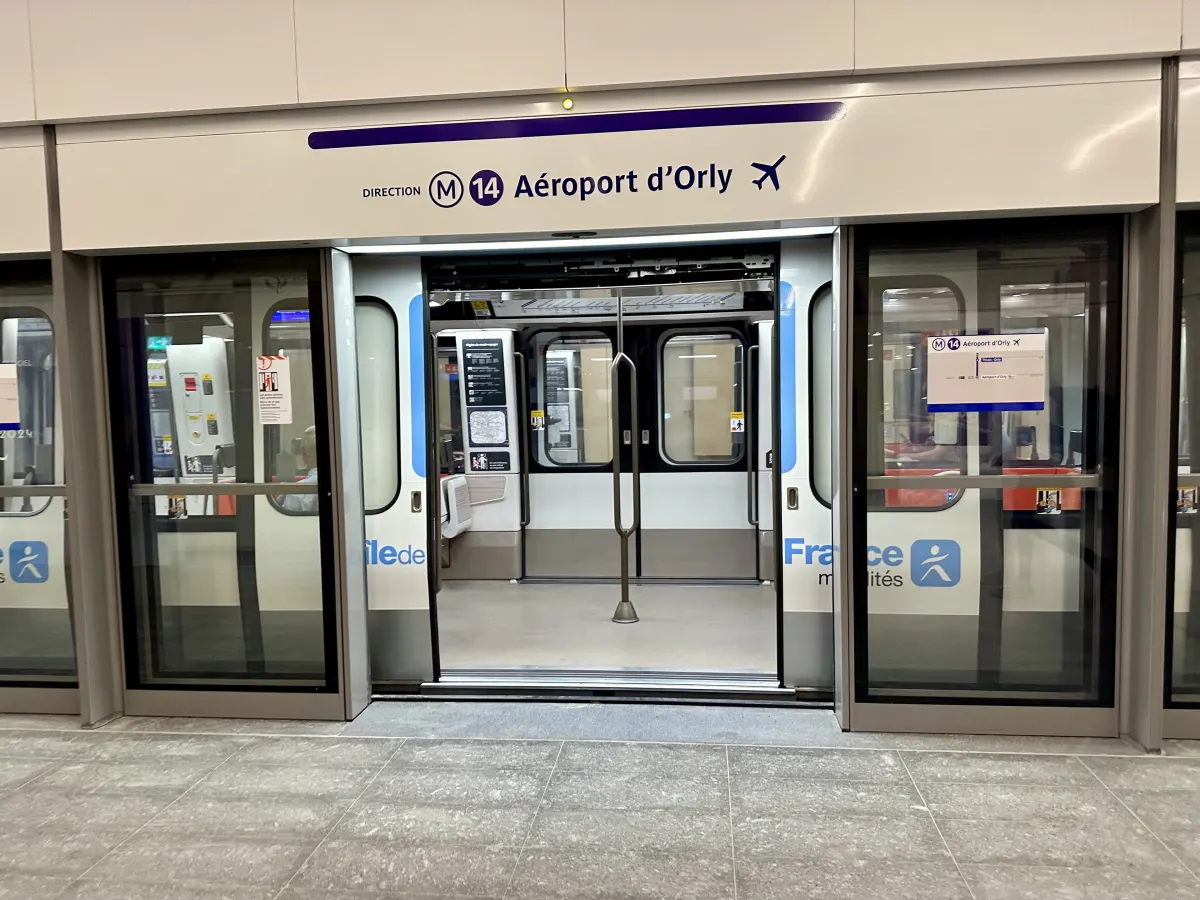
- Metro line 14 runs straight from the airport to Châtelet, Gare de Lyon and Saint-Lazare, in about 25 minutes to the centre. It also needs the €14 airport ticket.
- Taxis: €36 to the Left Bank and €45 to the Right Bank, fixed.
Paris Beauvais (BVA)
Used by budget airlines, and about 85 km north of Paris. Take the official shuttle bus, which takes 1¼ hours or more, and check where in Paris it stops before you book: the stop has changed.
Other ways in
- You don't have to land in Paris. Nice, Lyon, Marseille, Bordeaux, Toulouse, Nantes and Basel-Mulhouse all have international airports. Nice's is beside the city, on the tram.
- TGVs run from CDG's own station (Terminal 2) straight to Lyon, Lille, Bordeaux, Strasbourg and other cities, so you may not need to go into Paris at all. Leave at least three hours between a long-haul flight and a train on a separate ticket.
- Eurostar links London, Brussels, Amsterdam and Cologne with Paris Gare du Nord.
See also Getting around France, Money and Phones.


Comments
No comments yet.