
A week in Islamabad and Lahore: the Faisal Mosque, Taxila, the Walled City, the Lahore Fort and the Badshahi Mosque (route map)
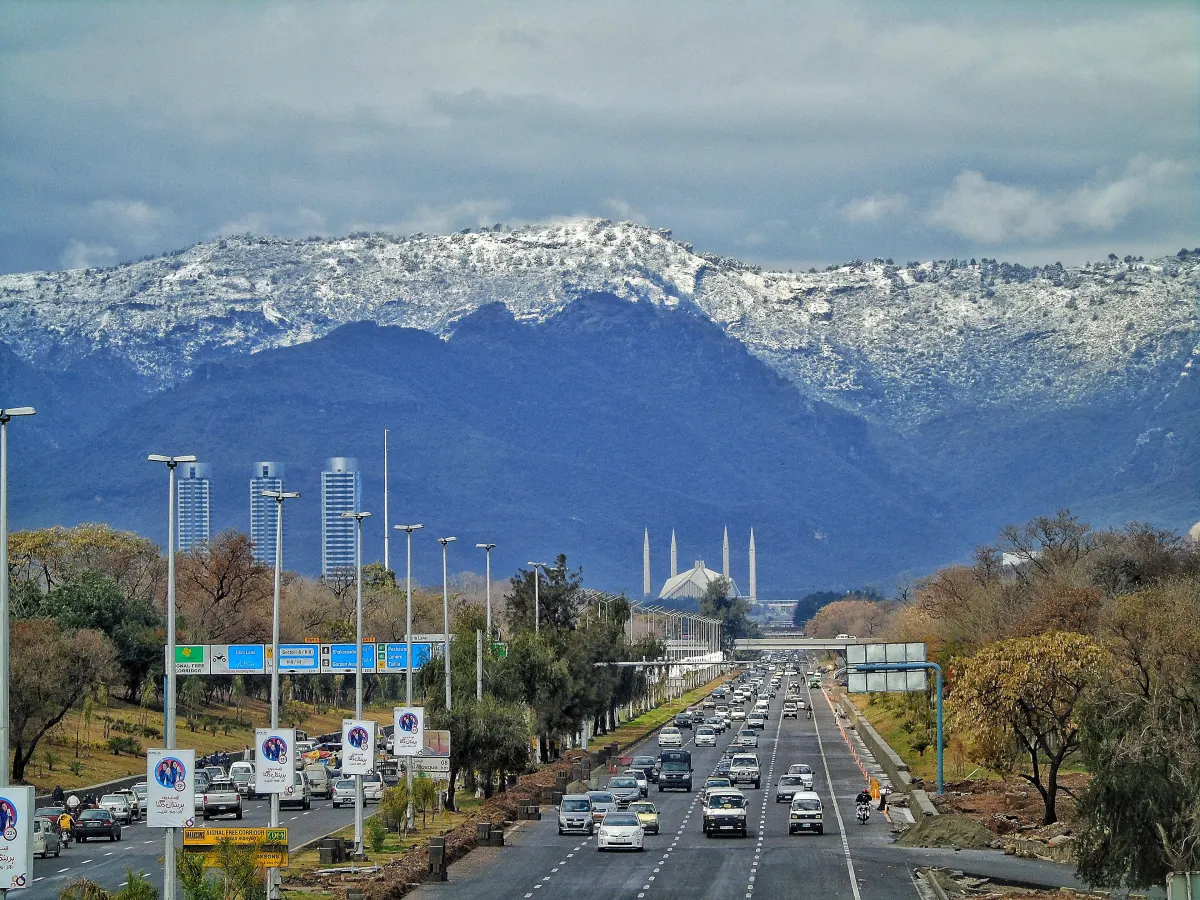
Islamabad and Lahore are the two easiest cities in Pakistan for a first visit, and neither is in an area that the UK, US or Australian governments advise against (apart from their overall warnings for Pakistan: see Safety). This week combines the calm modern capital, the 2,000-year-old Buddhist city of Taxila, and the Mughal monuments and famous food of Lahore. It's best from October to March, though Lahore can be smoggy from November to January (see When to go). It also combines well with Hunza.
Use cars with drivers, booked through your hotel or a tour operator, rather than public transport or street taxis. See Getting around.
Day 1: Islamabad
Arrive in Islamabad. In the afternoon, visit the Faisal Mosque at the foot of the hills, then drive up to Daman-e-Koh, or further to Pir Sohawa, for the sunset over the city.

Faisal Mosque, Islamabad
A strikingly modern mosque shaped like a desert tent, with four pencil-thin minarets, at the foot of the Margalla Hills in Islamabad.
Day 2: The Margalla Hills, and the Pakistan Monument
Walk one of the marked trails in the Margalla Hills early in the morning, before the heat. Later, visit the Pakistan Monument, shaped like the petals of a flower, with its museum, and the Lok Virsa heritage museum of Pakistan's folk culture. In the evening, eat in one of Islamabad's markets, such as those in the F-6 and F-7 sectors.
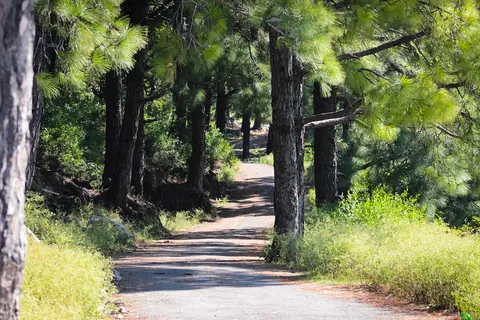
Margalla Hills, Islamabad
Forested hills on the northern edge of Islamabad, with numbered hiking trails starting right from the city.
Day 3: Taxila
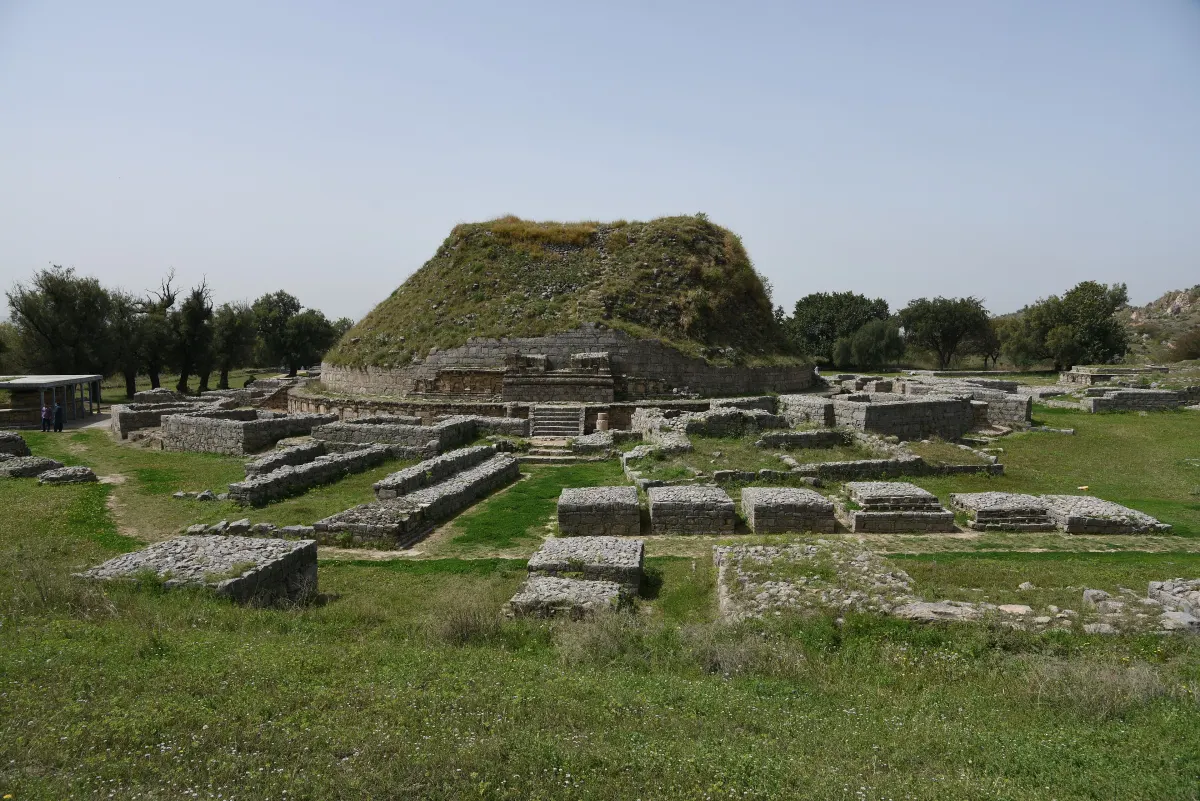
Take a day trip to Taxila, about 35 km north-west, a UNESCO World Heritage site that was a great centre of Buddhist learning. See the Taxila Museum, with its Gandharan sculptures, then the Dharmarajika stupa, the ruined city of Sirkap, and the hilltop monastery of Jaulian. Back in Islamabad, you could see the busy bazaars of Rawalpindi next door, with a guide.
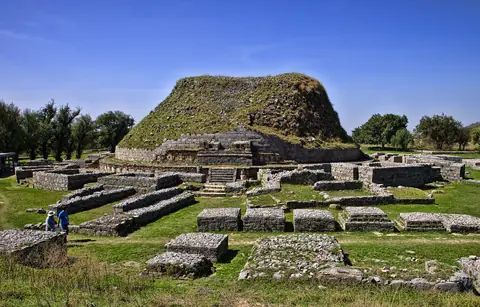
Taxila
Ruins of an ancient city at the crossroads of Asia, a World Heritage site, ruled by Persians, Greeks after Alexander the Great, Mauryans and Kushans.
Day 4: To Lahore
Drive to Lahore on the M-2 motorway, about 400 km and four to five hours, through the Salt Range, or fly in under an hour. In the evening, see the old city lit up from a rooftop restaurant near the Badshahi Mosque, with a karahi or tikka. See Food.
Day 5: The Lahore Fort and the Badshahi Mosque
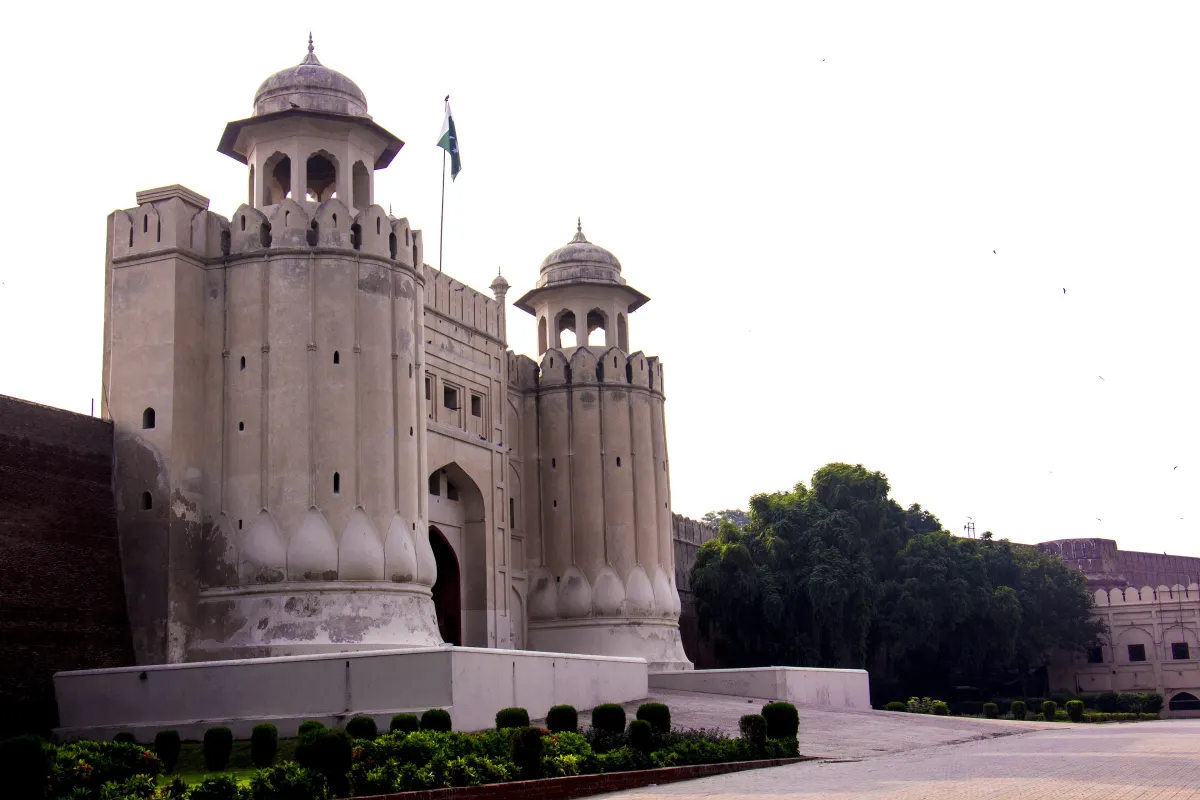
Spend the morning in the Lahore Fort, the Mughal emperors' citadel and a World Heritage site, with its Sheesh Mahal (palace of mirrors) and the Picture Wall covered in tiles. Then cross the Hazuri Bagh garden to the vast red Badshahi Mosque, built by Aurangzeb in the 1670s. Dress modestly, and women should bring a scarf. See Culture and etiquette.

Badshahi Mosque and Lahore Fort
One of the largest mosques in the world, built in red sandstone by the Mughal emperor Aurangzeb in 1673, facing the Lahore Fort across a square.
Day 6: The Walled City
Walk through the old Walled City with a guide, from Delhi Gate along the bazaar to the Shahi Hammam, the old royal bathhouse, and the Wazir Khan Mosque, covered in tile work and frescoes. In the afternoon, visit the Shalimar Gardens, the Mughal terraced garden east of the old city, another World Heritage site.
Day 7: The Lahore Museum, and Mall Road
Visit the Lahore Museum on Mall Road, with its Gandharan sculptures, including the famous Fasting Buddha, Mughal paintings and the Zamzama cannon outside. Walk along Mall Road past the colonial buildings, and shop for fabrics and shalwar kameez in the old bazaars, such as Anarkali. Fly home from Lahore, or go back to Islamabad.
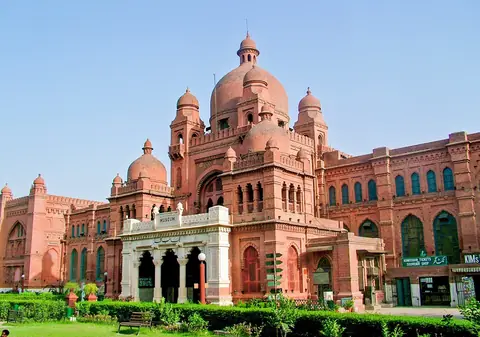
Lahore Museum
Pakistan's oldest and largest museum, in a red-brick building on The Mall, once run by Rudyard Kipling's father.
Map of the route
Islamabad: the Faisal Mosque and Daman-e-Koh, about 15 km
Day trip: Taxila, about 62 km
Islamabad to Lahore on the M-2 motorway, about 402 km
Lahore: the Walled City to the Shalimar Gardens, about 13 km
Click a dot for the place. Labels show where you stay; dashed lines are day trips. You can also fly between Islamabad and Lahore. Route from OpenStreetMap (© OpenStreetMap contributors, ODbL).
Tips
- Protests can block roads in Islamabad, Rawalpindi and Lahore at short notice, including roads to the airports. Check local news, and allow plenty of time.
- Mosques and museums close for Friday midday prayers, and many sites are busy at weekends.
- Foreigners often pay higher entry fees at the forts and museums. Carry cash.
With more time
- Stop on the way to Lahore at Rohtas Fort, a huge 16th-century fort near Jhelum and a World Heritage site, or at the Katas Raj temples in the Salt Range.
- The flag-lowering ceremony at Wagah, on the Indian border about 30 km from Lahore, has continued while the crossing is closed, but Australia warns of possible threats near the border: check the latest advice first.
- Add the north: fly from Islamabad to Gilgit or Skardu. See The Karakoram Highway to Hunza.

Comments
No comments yet.