
Getting around Pakistan: flights to Gilgit and Skardu, the Karakoram Highway, cars with drivers, and trains
Pakistan is a big country, and how you get around matters for your safety as well as your time. The UK and Australian governments advise against public transport, so most foreign visitors fly the long distances and use cars with drivers on the ground. Read Safety and the current travel warnings first.
Domestic flights
- Pakistan International Airlines (PIA) and private airlines such as Airblue, SereneAir, AirSial and Fly Jinnah link Islamabad, Lahore and Karachi, and some other cities. Book on the airlines' own websites or through a travel agent.
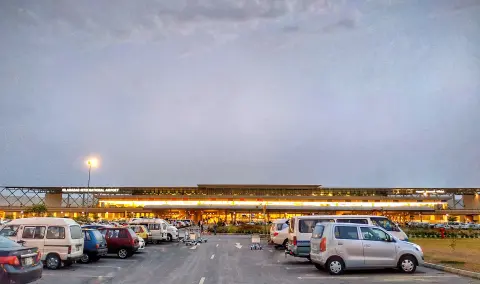
- Allow plenty of time at the airport: security is strict, with several checks before you reach the gate.
- Dense fog in central and northern Pakistan in winter, roughly December and January, can close airports and motorways.
Flights to Gilgit and Skardu
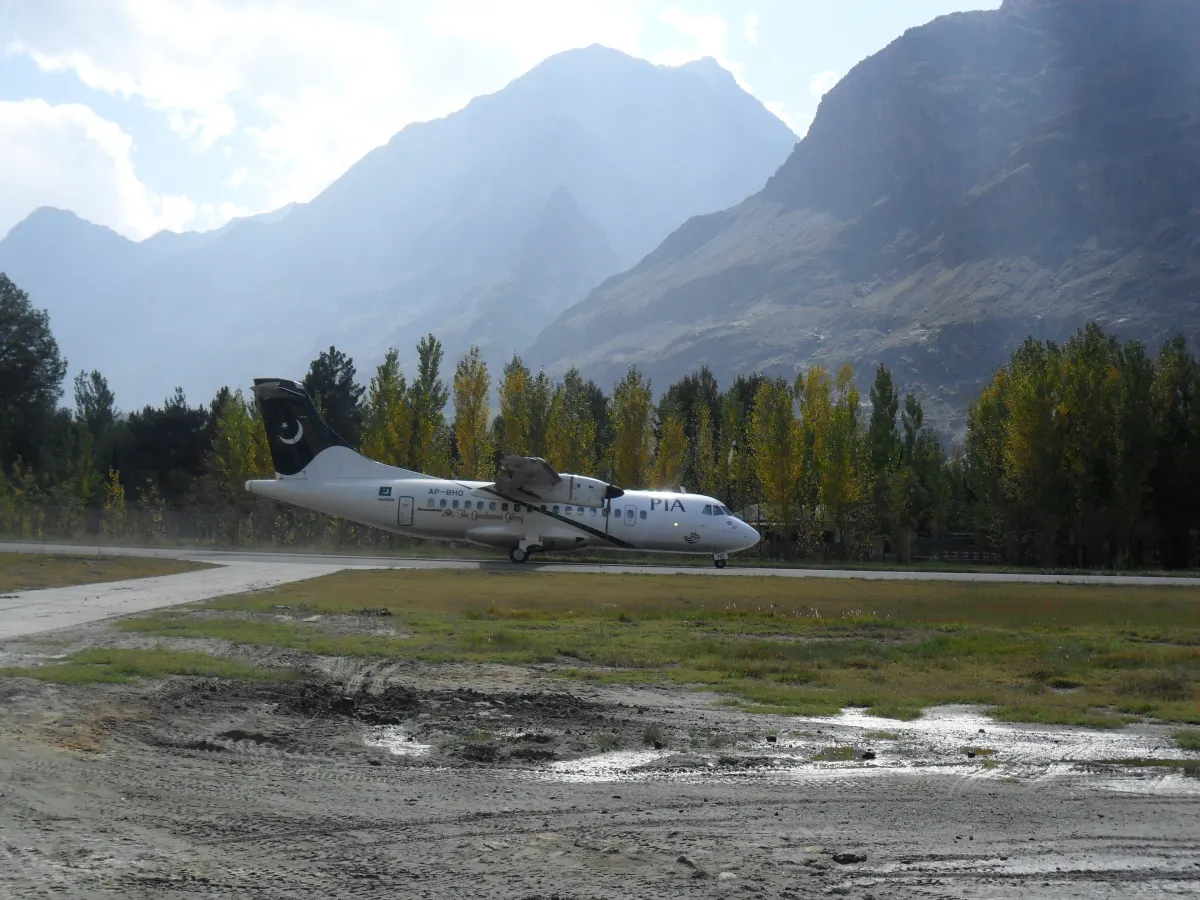
- The flights from Islamabad to Gilgit and Skardu, the gateways to Hunza and Baltistan, are among the most spectacular in the world, past Nanga Parbat.
- They are also among the least reliable. The planes fly up narrow valleys and need clear weather, so flights are often cancelled, sometimes for several days in a row, especially to Gilgit, which has a short runway and small turboprop planes. Skardu's airport is bigger, takes jets, and its flights are generally more reliable.
- Book early for the summer, when flights fill up. Leave at least one or two spare days before any international flight home, and ask how your airline rebooks passengers after a cancellation.
- If your flight is cancelled, the road alternatives are long and are advised against (see below), so waiting for the next flight is usually the best option.
The Karakoram Highway
- The Karakoram Highway (KKH, the N35) runs from near Islamabad up the Indus and Hunza valleys to the Khunjerab Pass and China.
- The UK government advises against all travel on the section between Mansehra and Chilas, through Battagram, Besham and Dasu, which has seen attacks, including on foreign workers.
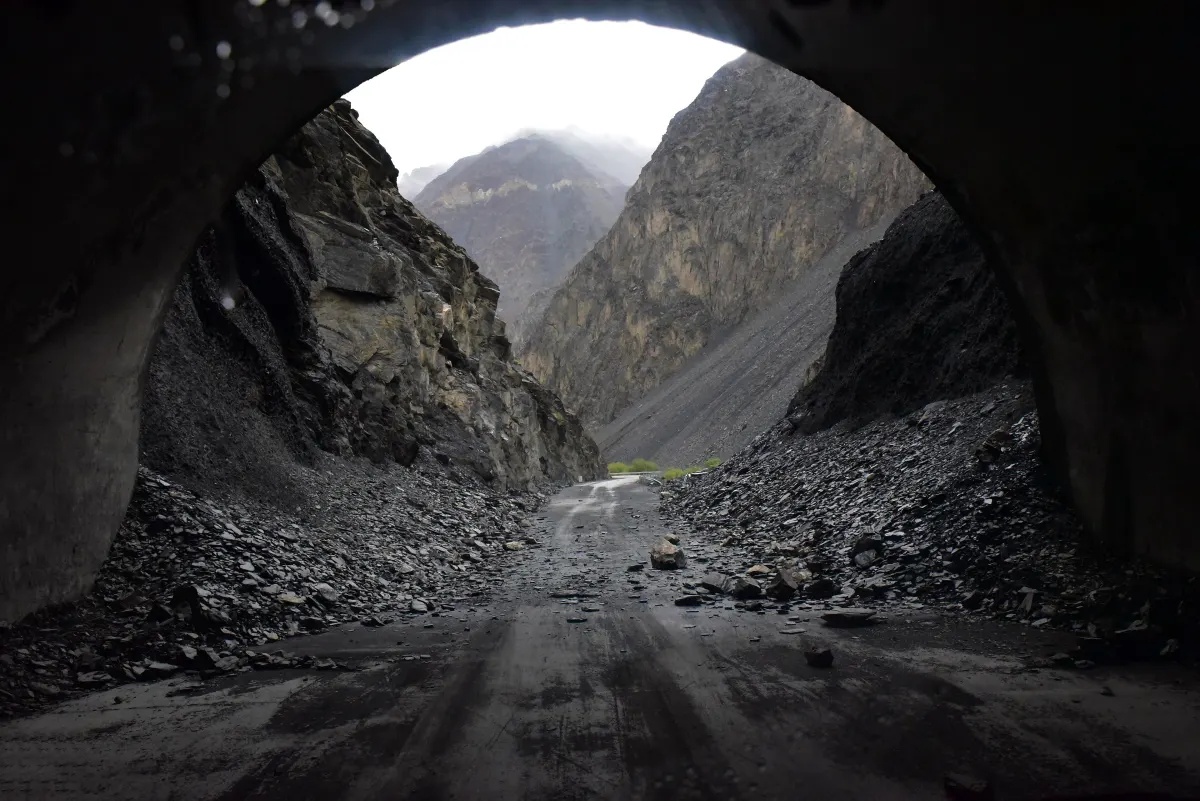
- North of Chilas, the road through Gilgit and Hunza to the Khunjerab Pass is not advised against, and it's one of the great mountain drives, with the Attabad Lake tunnels and the Passu Cones. See The Karakoram Highway to Hunza and the Khunjerab Pass.
- In summer, roughly June to October, there's a road over the Babusar Pass from the Kaghan valley to Chilas, which avoids the advised-against stretch of the KKH. It's popular with Pakistani tourists, but it goes through Mansehra district in Khyber Pakhtunkhwa, which Australia advises against, and it's closed by snow from autumn to late spring.
Cars with drivers
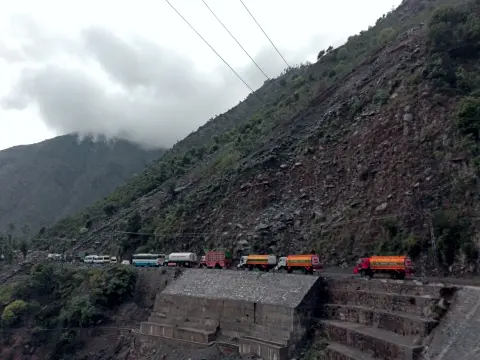
- Most foreign visitors hire a car or four-wheel drive with a driver, through their hotel or a licensed tour operator. In the mountains, a local driver who knows the roads is worth having: roads can be narrow, unsealed in places, and blocked by landslides.
- Agree the price, the route and who pays for fuel, the driver's meals and accommodation before you set off.
- Avoid driving after dark, and allow far more time than the distance suggests: in the mountains, 100 km can take three hours or more.
- If you want to drive yourself, you need an International Driving Permit (1968 convention) as well as your licence. Pakistan drives on the left, and driving standards are erratic.
Motorways, buses and trains
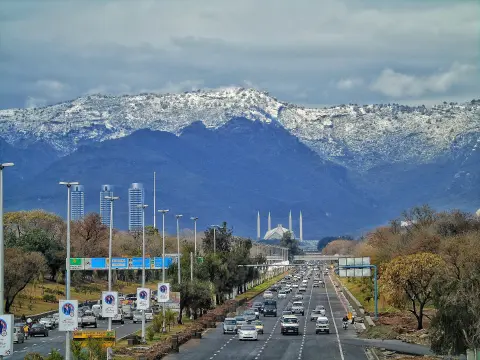
- Fast toll motorways link Islamabad and Lahore (the M-2, about four to five hours by car) and other big cities. They're the safest roads in the country.
- Comfortable intercity coach companies run between the big cities and up to Gilgit, but the UK and Australian governments advise against public transport, including the Metro Bus between Rawalpindi and Islamabad, for security reasons.
- The UK government advises against using trains, because of the risk of attacks and derailments: in March 2025 the Jaffar Express was hijacked in Balochistan.
Taxis and ride-hailing in the cities
- The UK and Australian governments advise against hailing taxis in the street, and the UK also against app taxis. Use cars from licensed companies that dispatch through an operator, or ones booked by your hotel.
- Ride-hailing apps operate in the big cities and are widely used by Pakistanis. If you use one anyway, check the car and driver match the app, share your trip, and sit in the back.
Checkpoints
- Expect police and army checkpoints, especially on the KKH and in Gilgit-Baltistan. Foreigners are often asked to show their passport and visa, and to write their details in a register. Carry several photocopies of both, so you can hand them over.
- In some areas, the police may insist on giving foreigners an escort. Follow their instructions.
Comments
No comments yet.