
Safety in Pakistan: the current travel warnings, which areas to avoid, and where visitors go
Pakistan has spectacular mountains, great food and very hospitable people, and thousands of foreign tourists visit the north each year. But it also has a high threat of terrorism and kidnapping, and Western governments advise against travel to large parts of it. Read your own government's current advice before you plan a trip, and check that your travel insurance covers you: most policies don't cover areas your government advises against.
What governments advise, at the time of writing
- The United States rates Pakistan as a whole at Level 3, "Reconsider travel", with "Do not travel" for Balochistan and Khyber Pakhtunkhwa.
- Australia says "Reconsider your need to travel" to Pakistan overall, and "Do not travel" to Balochistan, to Khyber Pakhtunkhwa (except the Abbottabad and Haripur districts), and to the border areas with Afghanistan and India (except Lahore, Wagah, Kasur, Narowal and Sialkot). It also says that if you must go to Gilgit-Baltistan, you should fly, not go by road.
- The United Kingdom lists districts and roads. It advises against all travel to:
- all of Balochistan, including Quetta;
- most of Khyber Pakhtunkhwa, including Peshawar and the Swat valley, the former tribal areas and the districts along the Afghan border;
- the Karakoram Highway between Mansehra and Chilas, through Battagram, Besham and Dasu, up to its junction with the N15 near Chilas;
- the N45 road from Mardan to the edge of Chitral, including the Kalash valleys;
- within 10 miles of the Afghan border and of the Line of Control in Kashmir.
- The UK advises against all but essential travel to the rest of Azad Jammu and Kashmir, to the Malakand, Mardan, Nowshera, Shangla and Swabi districts of Khyber Pakhtunkhwa, to within five miles of the Indian border (except the main road to Wagah), to the Dera Ghazi Khan district of Punjab, and to northern Sindh, from Nawabshah northwards, which includes Mohenjo-daro.
Where visitors usually go
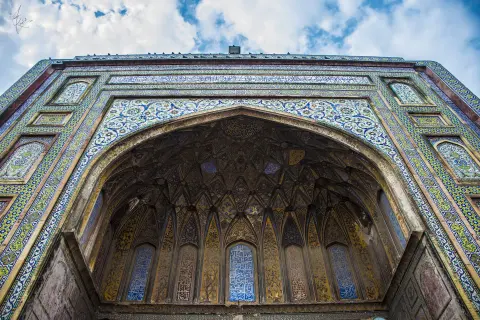
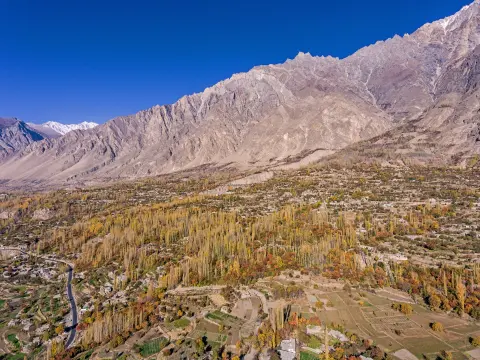
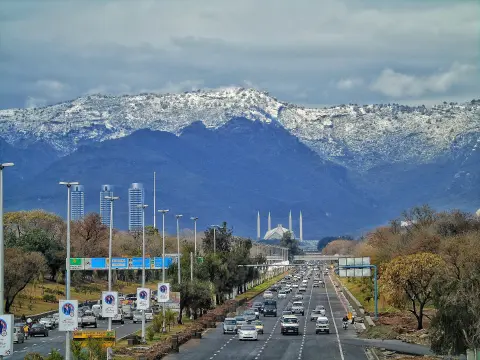
- None of these governments advise against travel to Islamabad, Lahore, most of Punjab, Karachi or most of Gilgit-Baltistan, apart from their overall warnings for the whole country. That's where most foreign tourists go: the capital, the Mughal city of Lahore, and the mountain valleys of the north, such as Hunza, Skardu and the Deosai Plains.
- Because the Karakoram Highway south of Chilas is advised against, most foreigners fly between Islamabad and Gilgit or Skardu. In summer, Pakistani tourists also drive over the Babusar Pass, but that road goes through the Kaghan valley in Khyber Pakhtunkhwa, which Australia advises against. See Getting around.
- Some well-known sights are in areas that are advised against: the Kalash valleys near Chitral, Peshawar's old city and food (see Food), the Swat valley, and Mohenjo-daro in northern Sindh. The flag ceremony at the Wagah border near Lahore has carried on while the crossing itself is closed, but Australia warns of possible threats near the border: check the latest advice before you go.
Terrorism, kidnapping and unrest
- Attacks happen across the country, not only in the areas advised against. In February 2026 a suicide bombing at a mosque in Islamabad killed at least 36 people, and there have been attacks in Lahore and Karachi too. Possible targets include mosques and shrines, hotels, markets, transport, police and security checkpoints.
- Khyber Pakhtunkhwa has been under emergency rule since 11 October 2026, with road closures and internet cuts. There has been fighting along the Afghan border.
- The risk of kidnapping is highest in Khyber Pakhtunkhwa and Balochistan, but foreigners and dual nationals have been targeted elsewhere.
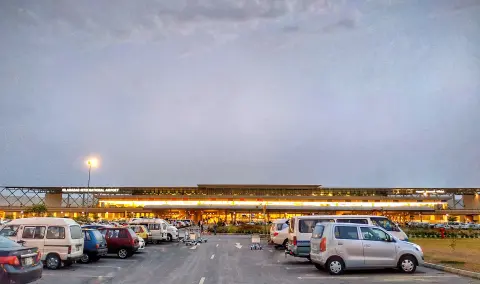
- Protests can start with little warning, especially in Islamabad, Rawalpindi and Lahore. Roads, including those to Islamabad airport, may be blocked, and mobile data and the internet are sometimes cut. Keep away from demonstrations, and allow extra time to get to the airport.
- Vary your routine, keep a low profile, and follow the instructions of the police and army at checkpoints. Many visitors use a licensed local tour operator, who knows which roads are open.
Getting around safely
- The UK and Australian governments advise against public transport, including trains and buses, and against hailing taxis in the street. They recommend cars with drivers booked through your hotel or a tour operator.
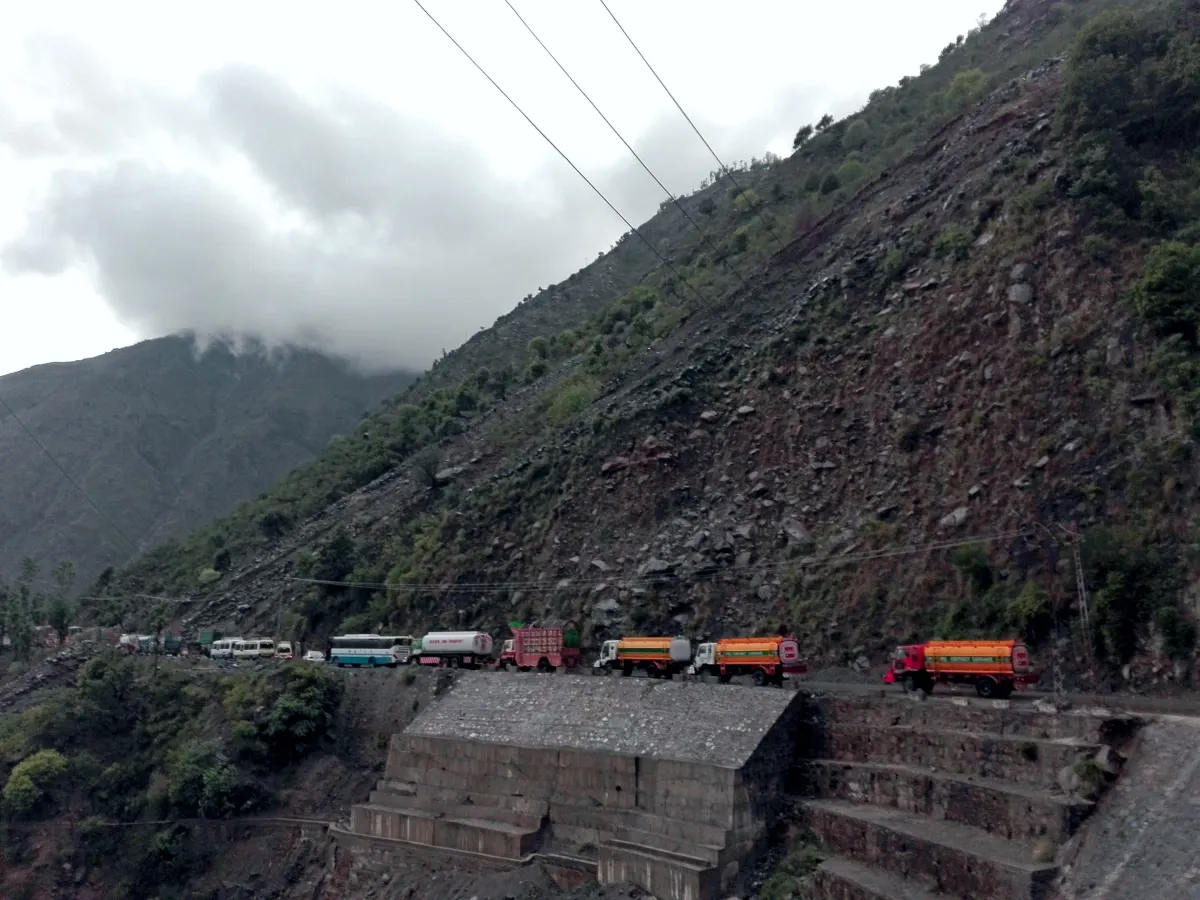
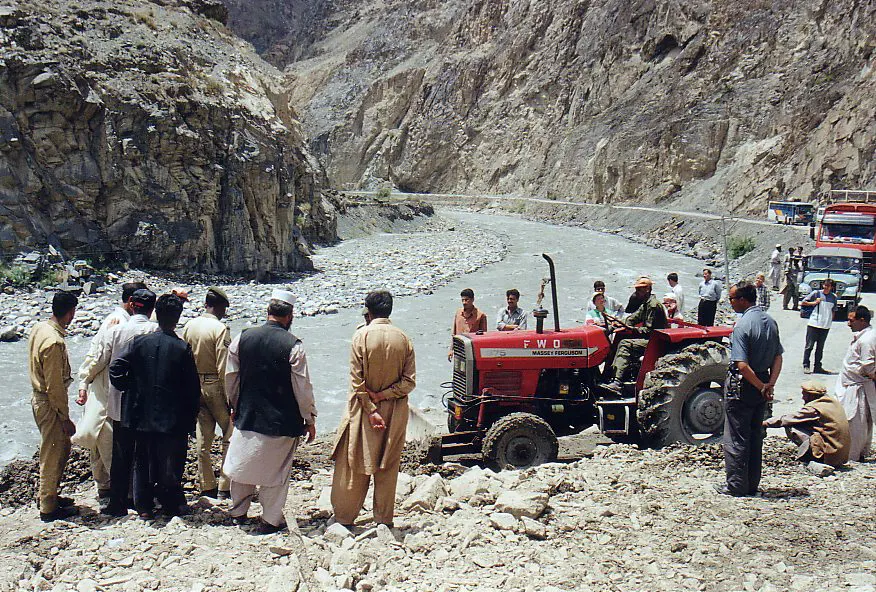
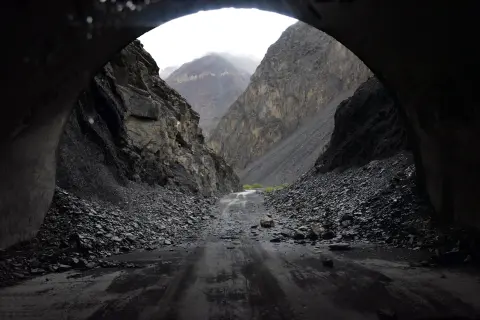
- Road accidents are common, and driving after dark is especially risky. In the mountains, roads are blocked by landslides and rockfalls, particularly in the monsoon from July to September, and by snow in winter.
- Northern flights are often cancelled in bad weather, so leave spare days in your plans.
Crime, scams and the law
- Street crime, phone snatching and card fraud happen in the cities. Use ATMs inside banks or hotels.
- Blasphemy carries severe penalties, including the death penalty, and accusations can lead to violence: this includes comments on social media.
- Drinking alcohol is illegal for Muslims, and non-Muslim foreigners need a permit. Penalties for drug offences are severe. Sex between men is illegal.
- Don't photograph military sites, airports, bridges or dams, or take photos from planes. See Culture and etiquette.
- Celebratory gunfire at weddings and holidays has killed people.
In an emergency
- 1122 is the number for an ambulance and rescue in most of the country, and 15 for the police.
- Register with your country's embassy or travel advice service, such as Smartraveller or the US STEP programme, so they can contact you.
This is a summary of other governments' advice, which changes often: read the full UK, Australian and US advice before you go, and check it again just before you travel.

Comments
No comments yet.