
Culture and etiquette in Pakistan: Islam, dress, mosques, Ramadan, photography, and advice for women travellers
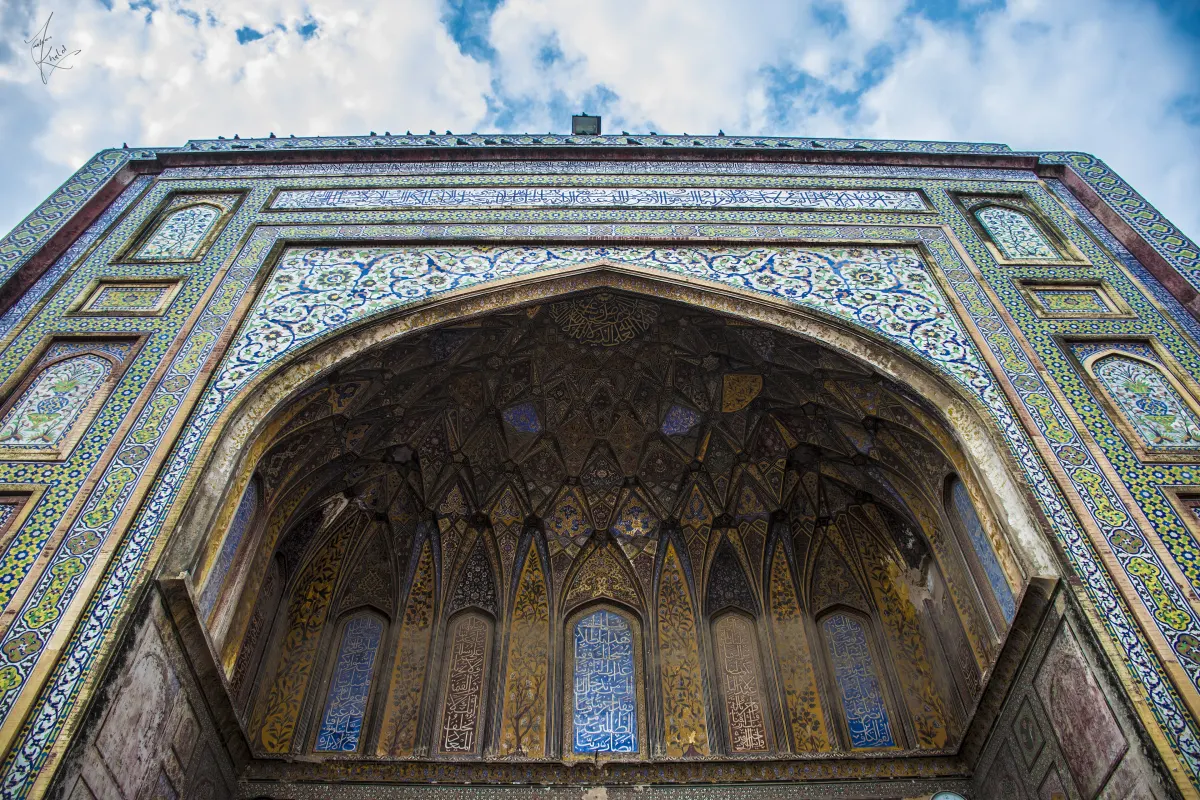
Pakistan is a conservative Muslim country, and most of its people are very welcoming to visitors: you'll be invited for tea, asked for selfies, and helped by strangers. Dressing modestly and following a few customs goes a long way.
Greetings and hospitality
- The usual greeting is "Assalam o alaikum" (peace be upon you), and the reply is "Wa alaikum assalam". Men shake hands with men; don't offer to shake hands with a woman unless she offers first. Placing your right hand on your heart is a polite greeting.
- Use your right hand to eat, and to give or receive things.
- Pakistanis are proud of their hospitality. If you're invited to someone's home, take your shoes off at the door if your hosts do, and bring a small gift such as sweets. Refusing food or tea can seem rude: accept a little.
- Avoid conversations about religion, politics, the army and India unless your hosts start them, and never say anything that could be taken as disrespectful of Islam or the Prophet. See the law section below.
What to wear
- Both men and women should cover their shoulders and legs in public. Shorts and sleeveless tops are not acceptable, except perhaps in a few upmarket places in the cities.
- Many visitors, women and men, buy a shalwar kameez, the loose tunic and trousers most Pakistanis wear: it's comfortable, cool, cheap, and helps you blend in.
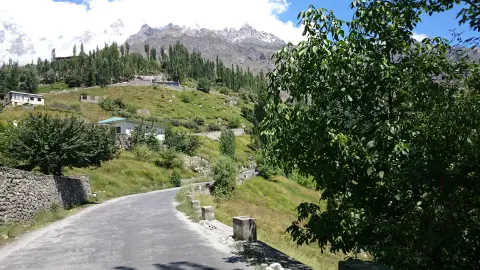
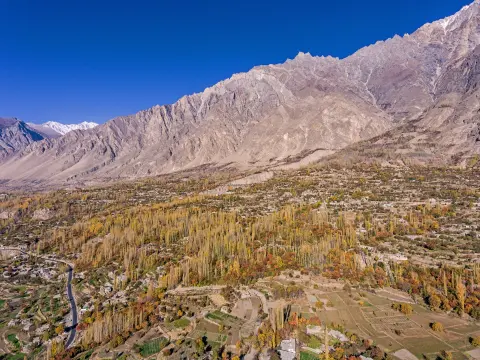
- Women should carry a scarf (dupatta) to cover their hair in mosques, at shrines and in rural areas. Women in Hunza, where most people are Ismaili Muslims, are generally less strict about this, but cover up anyway.
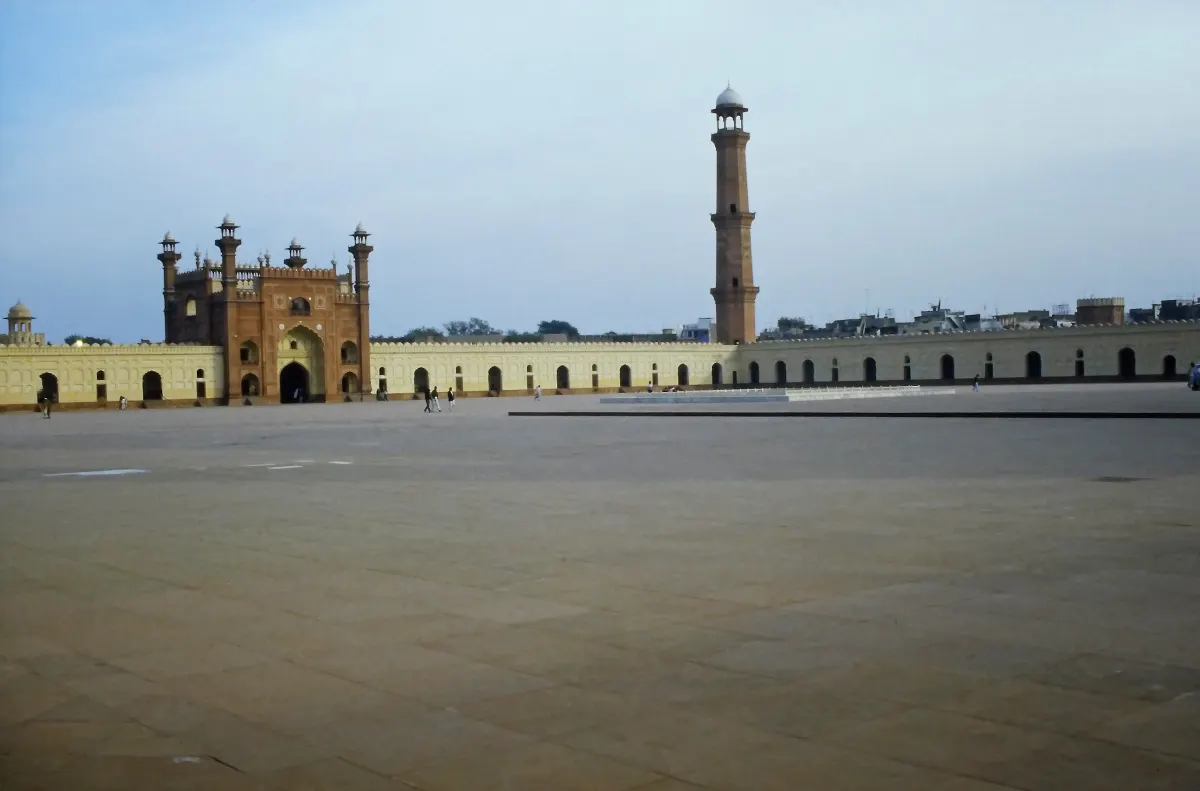
Mosques and shrines
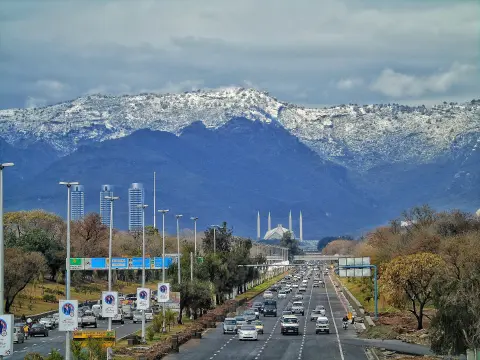
- Non-Muslims can visit most of the big mosques, such as the Badshahi Mosque in Lahore and the Faisal Mosque in Islamabad, outside prayer times. Dress modestly, with arms and legs covered and, for women, hair covered. Take off your shoes at the entrance.
- Avoid visiting at prayer times, and especially during Friday midday prayers, the most important of the week. Don't walk in front of people who are praying.
- Sufi shrines, such as Data Darbar in Lahore, are busy and moving places, sometimes with music and dancing on Thursday nights. Some shrines restrict women's access to parts of the shrine. Shrines and mosques have been targets of attacks: see Safety.
Ramadan and the Eids
- During the fasting month of Ramadan, Muslims don't eat or drink from dawn to sunset. Eating, drinking or smoking in public during the day can be an offence: do it discreetly, indoors. Offices keep shorter hours, and traffic can be chaotic just before sunset, when everyone rushes home to break the fast. Ramadan moves about 11 days earlier each year; in 2027 it's expected to begin in early February.
- Eid al-Fitr, at the end of Ramadan, and Eid al-Adha, about two months later, are big holidays: transport and hotels fill up, offices and many shops close, and in the north, roads and hotels are crowded with Pakistani tourists.
- Muharram, especially Ashura, is a solemn time for Shia Muslims, with processions and tight security, and sometimes mobile networks are suspended.
Photography
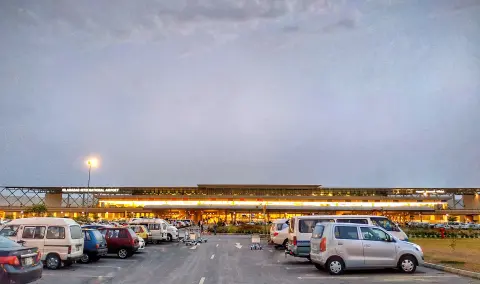
- Don't photograph military sites, soldiers, police, checkpoints, airports, bridges, dams or other infrastructure, and don't take photos from planes. People have been arrested on suspicion of spying.
- Ask before you photograph people, and don't photograph women without their clear permission (ask a woman, not the men with her). Men are often happy to be photographed, and many will ask for a selfie with you.
- Flying a drone without permission can get it confiscated, or you arrested.
The law
- Blasphemy laws carry severe penalties, including death, and an accusation can lead to mob violence. This covers anything said or posted online that could be seen as insulting Islam. It's also illegal to try to convert Muslims.
- Drinking alcohol is illegal for Muslims; non-Muslim foreigners need a permit. Importing alcohol or pork is illegal.
- Sex between men is illegal, and LGBT people face discrimination. Public displays of affection, even between married couples, are frowned upon.
- Penalties for drug offences are severe, including the death penalty.
Women travellers
- Many foreign women travel in Pakistan, especially in the north, and most find people respectful and protective. But women alone attract a lot of attention: stares, questions, requests for selfies, and sometimes harassment and groping in crowds. The Australian government warns that women may be harassed, especially if they're alone.
- Dress conservatively, with a dupatta to hand. Sit next to other women on transport and in the family section of restaurants, and don't hesitate to be firm if someone bothers you.
- Many women travel with a guide or a reputable tour operator, or join small group tours, especially away from Hunza and the big cities. Choose guesthouses and drivers with good reviews from other women.
- Be careful about accepting drinks, invitations to private homes or "photo shoots" from people you've just met, and about how much you share about your plans online.
Comments
No comments yet.