
Phones and apps for Pakistan: SIM cards, registering your phone with the PTA, coverage in the mountains and internet cuts
A local SIM card is cheap and useful in Pakistan, but there are two extra steps: the SIM is registered to you with your fingerprints, and your phone itself has to be registered with the Pakistan Telecommunication Authority (PTA), or it will stop working on local networks.
Buying a SIM card
- Buy your SIM at an official shop or franchise of one of the mobile networks, such as Jazz or Zong, not from a street stall. Take your passport with a valid visa: SIMs are registered with biometric verification, so you'll give your fingerprints at the shop.
- Prepaid data bundles are cheap. Ask the shop to activate a bundle that covers your stay, and check that the SIM works before you leave the shop.
- A SIM registered to a foreigner may stop working when your visa expires.
Registering your phone with the PTA
- Pakistan blocks phones whose IMEI number hasn't been registered and taxed, to stop smuggled phones. If you put a Pakistani SIM in your own phone, it will work only for a limited time unless it's registered.
- Foreign visitors can register one phone free for a limited period, at the time of writing up to 120 days from your arrival, through the PTA's DIRBS website at dirbs.pta.gov.pk. You need a Pakistani SIM in your own name, your passport and your phone's IMEI number (dial *#06# to see it). The phone is linked to that SIM.
- Phone shops at the network franchises can usually help you with this. The rules change from time to time, so check the PTA site or ask at the shop.
- Your phone works on roaming with your home SIM without registering, but roaming in Pakistan is usually expensive.
eSIMs
- International travel eSIMs work in Pakistan, using local networks on roaming, and avoid the registration steps. They're more expensive than a local SIM per gigabyte, and coverage in the mountains depends on which local network they use.
Coverage in the mountains
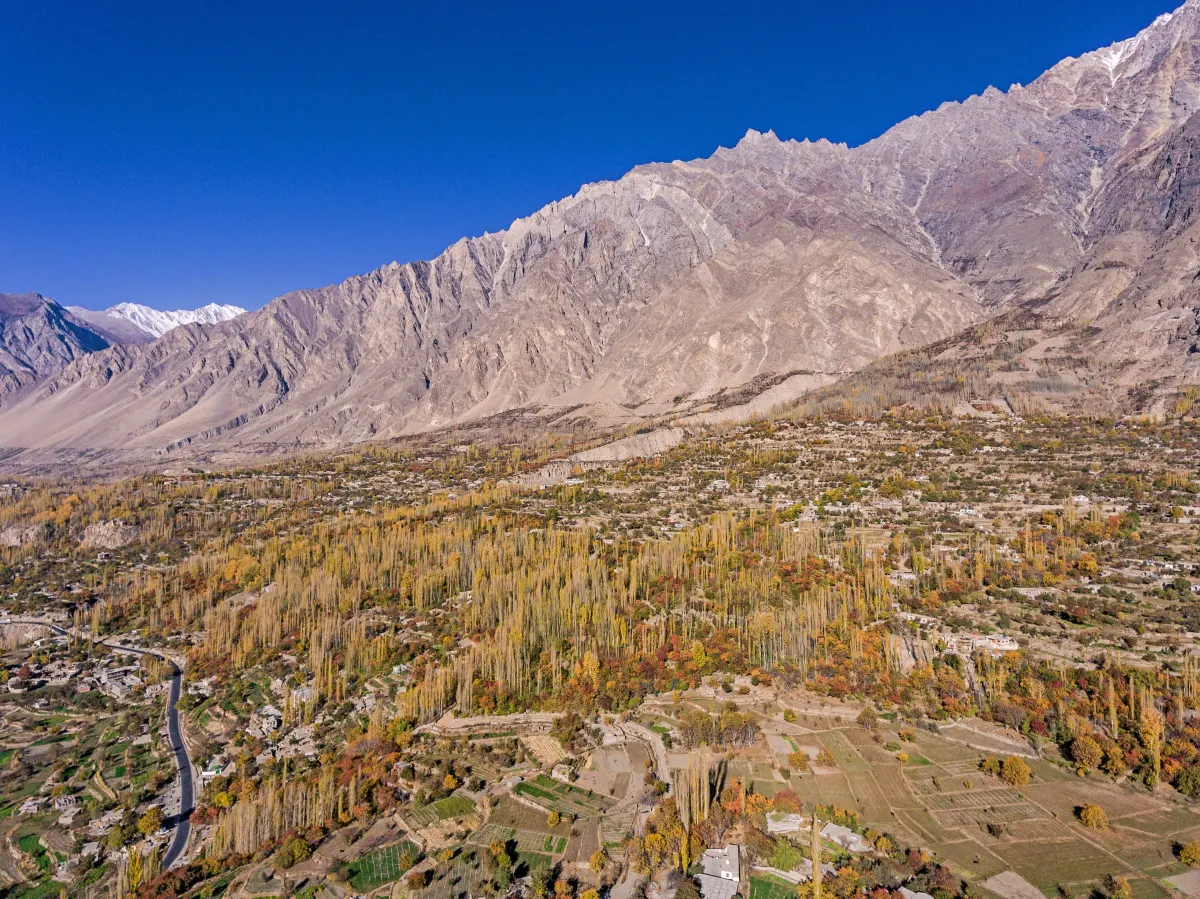
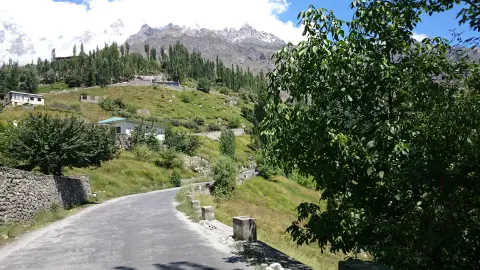
- Coverage is good in the cities and along the motorways. In Gilgit-Baltistan, the main towns, such as Gilgit, Karimabad and Skardu, have mobile data, but many valleys and high roads have weak signal or none at all. SCOM, the network of the army's Special Communications Organization, has the widest coverage in parts of Gilgit-Baltistan; Zong and Jazz also work in the main towns. Ask locally which works best where you're going.
- Download offline maps and translation before you head north, and tell someone your plans if you're going trekking.
- Hotels and guesthouses in Hunza and Skardu usually have Wi-Fi, but it can be slow, and power cuts are common, especially in winter. A power bank is useful.
Internet cuts
- The government sometimes cuts mobile data or blocks apps, during protests, security operations, elections and some religious holidays, and Khyber Pakhtunkhwa has had internet disruption under emergency rule. Have your bookings, tickets and important numbers saved offline.
- Some websites and apps are blocked in Pakistan from time to time.
Useful apps
- WhatsApp is how almost everyone communicates, including hotels, drivers and tour operators.
- Ride-hailing and food delivery apps work in the big cities, but read the advice on taxis in Getting around.
- A translation app with offline Urdu helps, although English is widely spoken in hotels, by tour operators and among educated Pakistanis.

Comments
No comments yet.