
Pakistani food: karahi, biryani, nihari, kebabs, Hunza food, and eating safely
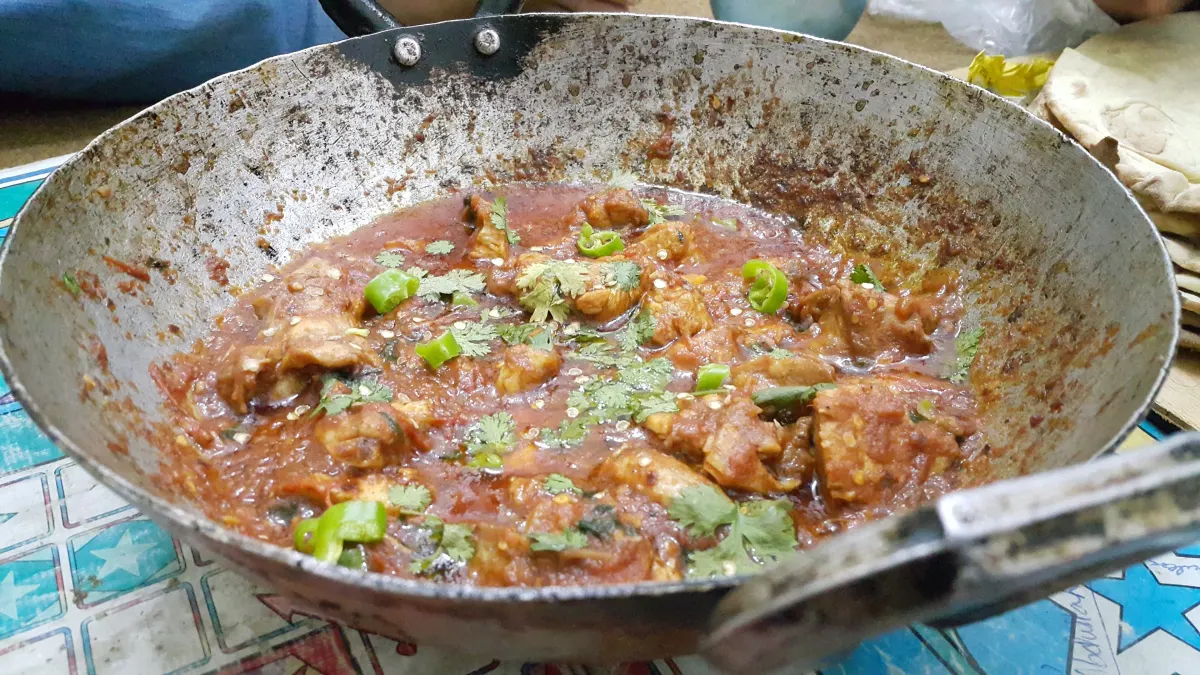
Food is one of the best reasons to visit Pakistan. It's rich, meaty and generous, cooked over high heat in big pans or on charcoal, and eaten with fresh bread, often with your hands. Lahore in particular is famous for its food.
What to try
- Karahi: chicken or mutton cooked fast with tomatoes, green chillies and ginger in a wok-like karahi, often made to order by weight, and eaten straight from the pan with naan.
- Biryani: rice layered with spiced meat. Each region has its own; Sindhi biryani is spicy and comes with potatoes and plums.
- Nihari: beef or mutton stewed overnight with bone marrow, eaten for breakfast or a late lunch, topped with ginger, chillies and lemon. Karachi, Lahore and Delhi all claim it.
- Kebabs: seekh kebabs on skewers, tikka and, from the Pashtun north-west, the flat, spicy chapli kebab. Peshawar is famous for its kebabs, but it's advised against (see Safety): you'll find chapli kebabs in Islamabad, Rawalpindi and Lahore too.
- Breads: naan and roti from the tandoor, and flaky paratha for breakfast.
- Halwa puri: fried bread with semolina halwa and chickpea curry, the classic weekend breakfast.
- Haleem, a slow-cooked stew of wheat, lentils and meat, and daal (lentils) and vegetable dishes for something lighter.
- Sweets: jalebi, gulab jamun and kheer (rice pudding), and kulfi ice cream in summer.
Food in Hunza and the mountains
- Food in Hunza is simpler and lighter than in the plains, with dishes made from wheat, apricots, walnuts and local cheese, such as chapshoro, a meat-filled bread, and soups of noodles and vegetables. Some cafés in Karimabad and Altit specialise in local dishes.
- Hunza is famous for its apricots, fresh in summer and dried all year, and for apricot oil and walnut cake.
- In remote places, expect daal, rice, roti and whatever's in season.
Drinks
- Chai, strong milky tea, is everywhere, and you'll be offered it constantly. In the north, try salty pink Kashmiri chai or green tea.
- Lassi, sweet or salty yoghurt drink, and fresh fruit juices and sugarcane juice in summer.
- Alcohol: drinking alcohol is illegal for Muslims, and non-Muslim foreigners need a permit. Some big hotels in the cities can arrange a permit and serve or sell alcohol to non-Muslim foreign guests. Never drink in public, and never buy alcohol from unofficial sellers: methanol poisoning happens.
Halal, and Ramadan
- Almost all meat is halal, and pork isn't sold. Vegetarians can eat well on daal, vegetable curries and breads, but meat stock is common, so ask.
- During Ramadan, many restaurants are closed during the day or serve food behind curtains. Don't eat, drink or smoke in public in daylight. In the evening the streets come alive for iftar, the meal that breaks the fast. See Culture and etiquette.
Where to eat
- Street food and small dhabas (roadside restaurants) are often the best places to eat. Choose busy places where food is cooked fresh in front of you.
- Many restaurants have a family section for women and families, separate from the men's area.
- Lahore's old city has food streets near the Badshahi Mosque, with rooftop restaurants looking over the mosque. See A week in Islamabad and Lahore.
Eating safely
- Drink bottled or boiled water, and take care when buying bottled water: check the seal. Avoid ice from unknown sources.
- Eat food that's freshly cooked and hot, and peel fruit yourself. Be careful with raw salads, chutneys and cut fruit from street stalls.
- Pakistani food can be very spicy and oily: start gently. See Health for typhoid and other risks.
Comments
No comments yet.