
Arriving in Pakistan: the online visa, passports, registration, exit permits and customs
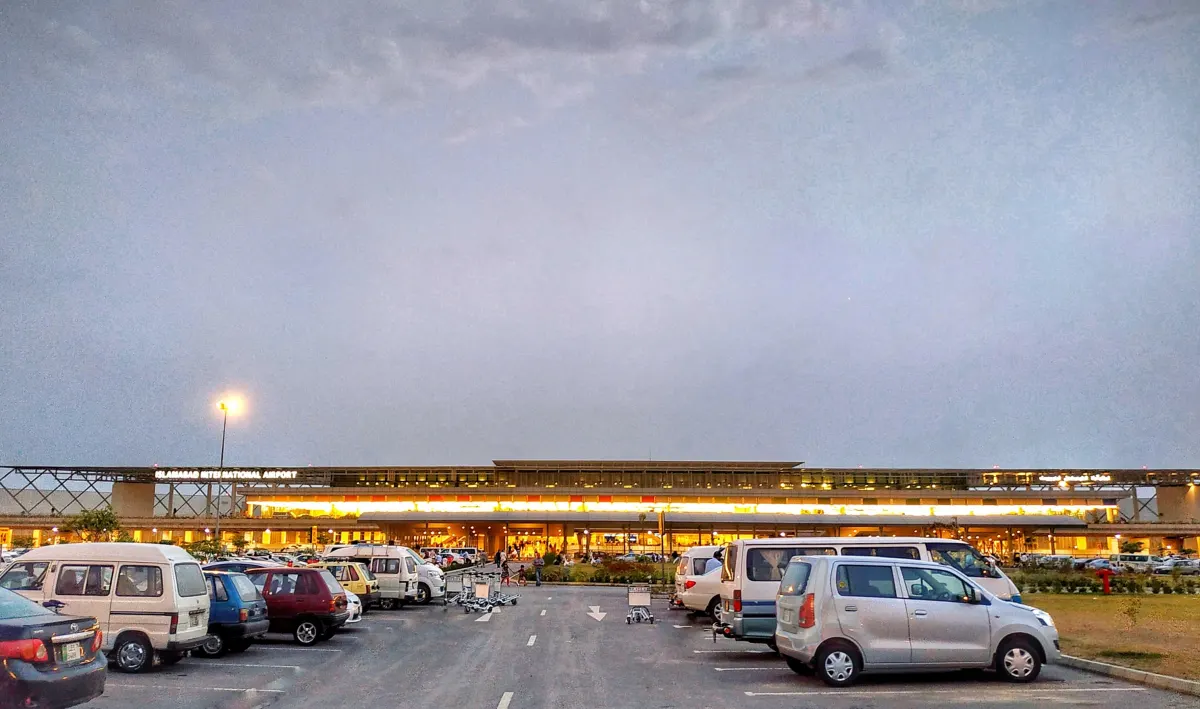
Almost every visitor needs a visa before travelling to Pakistan, and you apply for it online. Before you book anything, read Safety and the current travel warnings: the UK, US and Australian governments all advise against travel to large parts of the country.
The online visa
- Apply on the government's Pakistan Online Visa System at visa.nadra.gov.pk (also in the Pak ID app). Use only this site: other websites charge extra for the same application.
- Tourist visas are usually issued for up to three months. Officially, processing takes 7 to 10 working days, so apply well before you fly. You print the e-visa, or keep it on your phone, and show it at immigration.
- Fees depend on your nationality (Pakistan charges what your country charges Pakistanis), in US dollars, and a few nationalities pay nothing. A free tourist visa scheme for about 126 countries, announced in 2024, is reported to have been suspended at the start of 2026, so check the fee for your passport on the visa site when you apply.
- The application asks for your travel plans and where you'll stay. Some nationalities can get an electronic travel authorisation and have the visa stamped on arrival (Pakistan calls this "visa in your inbox"); the list changes, so check on the visa site whether yours is one of them.
- Journalists need a journalist visa, which often comes with extra travel restrictions.
Your passport
- The UK government says your passport must be valid for at least six months from the date you apply for the visa.
- Make sure your passport is stamped when you arrive. Without an entry stamp, leaving the country is difficult.
- Carry your passport, or at least a copy of it and your visa, all the time: there are police and army checkpoints on many roads, especially in Gilgit-Baltistan, where foreigners are often asked to show their passport and sign a register.
- If you're a dual national, both the UK and Australian governments recommend travelling on your foreign passport, and warn that their help may be limited if you're also Pakistani. People of Afghan heritage may face extra questioning at the border, according to the Australian government.
Registering with the police
- Most tourists don't need to register. If an immigration officer at the airport stamps your passport telling you to report to the Foreigners' Registration Office, do it: there's one in the office of every District Police Officer.
- Hotels record your passport details, and may ask for a copy of your passport and visa.
Restricted areas and permits
- Foreigners can't travel freely everywhere. The UK government says you need advance permission from the local or federal authorities to travel in Khyber Pakhtunkhwa, Balochistan and several districts of Azad Kashmir, and that there are prohibited zones around military bases. Local officials will tell you if you need a No Objection Certificate (NOC) from the Ministry of Interior.
- Most of Gilgit-Baltistan, including Hunza and Skardu, is open to foreign tourists without a permit, but the areas near the Afghan border (such as the upper side valleys of Hunza) and the Line of Control are not, and climbing and trekking in some mountain areas need permits arranged through a licensed tour operator. Ask your hotel or tour operator before you set off.
Staying longer, and leaving
- Tourist visas can be extended, up to a total of six months including the first visa, through the visa system or the regional passport offices. In Gilgit-Baltistan, the Deputy Commissioners in Gilgit and Skardu can also extend tourist visas.
- Don't overstay. To leave Pakistan you need an unexpired visa (or Pakistani identity documents). If your visa has expired, you must apply online for an exit permit before you fly, and you may have to pay a surcharge. Airlines can refuse to board you without one.
- If you've been in Pakistan for more than four weeks, you may be asked for proof of a recent polio vaccination when you leave: see Health.
Land borders
- At the time of writing, all the land border crossings between Pakistan and India, including Wagah near Lahore, are closed.
- The Khunjerab Pass to China on the Karakoram Highway is open to foreign tourists in the warmer months, typically from April to November, but it can close at short notice. You need a Chinese visa to cross it.
- The crossings to Iran are all in Balochistan, and those to Afghanistan are in areas the UK government advises against all travel to.
Customs
- It's illegal to bring alcohol or pork into Pakistan.
- You can bring in any amount of foreign currency, but large amounts must be declared (the reported threshold is US$10,000 or the equivalent). There are also limits on how much foreign currency you can take out, so keep your exchange receipts. See Money.
- If you're arriving from a country with yellow fever, you may need a yellow fever vaccination certificate.
- Don't bring a drone without permission: flying drones is restricted, and photography near military sites, airports, bridges and dams can get you arrested. See Culture and etiquette.
Rules change often. Check the visa site, and your own government's travel advice (for example the UK's entry requirements page), shortly before you go.
Comments
No comments yet.