
Health and insurance in Pakistan: polio, typhoid, dengue, altitude, heat and air pollution
Pakistan has some health risks that many travellers haven't met before, from polio to drug-resistant typhoid and severe air pollution. See a travel health clinic at least six to eight weeks before you go, and check the current advice for Pakistan from TravelHealthPro or the CDC.
Travel insurance
- Get insurance that covers medical evacuation, including by helicopter from the mountains, and any trekking or climbing you plan. Medical care outside the big cities is limited, and serious cases may need to be flown out of the country.
- Check what your policy says about areas your government advises against: most don't cover them. See Safety.
Vaccinations
- Polio still circulates in Pakistan. Make sure you're vaccinated, and get a booster if it's been more than ten years since your last dose. Carry proof of vaccination: vaccination teams may ask for it.
- If you stay in Pakistan for more than four weeks, you're expected to have had a polio vaccine between four weeks and 12 months before you leave, recorded on an International Certificate of Vaccination, and you may be asked for it at departure. Check the current rule before a long stay.
- Typhoid: an extensively drug-resistant strain has spread in Pakistan, so the typhoid vaccine and careful eating matter more than usual.
- Also ask about hepatitis A and B, rabies, and, for long stays in rural areas, Japanese encephalitis. You may need a yellow fever certificate if you're coming from a country with yellow fever.
Mosquitoes
- Dengue is common, especially after the monsoon, from August to November, in Lahore, Rawalpindi, Islamabad and Karachi. There's also malaria in some lowland areas. Use insect repellent day and night, and cover up.
- Ask a travel clinic whether you need malaria tablets for your route. There's little or no risk in the high mountains.
Water, food and animals
- Drink bottled or boiled water, check bottle seals, and eat freshly cooked food. Stomach upsets are common: bring oral rehydration salts. See Food.
- Keep away from stray dogs and other animals: rabies is present. If you're bitten or scratched, wash the wound and get medical help the same day.
Altitude
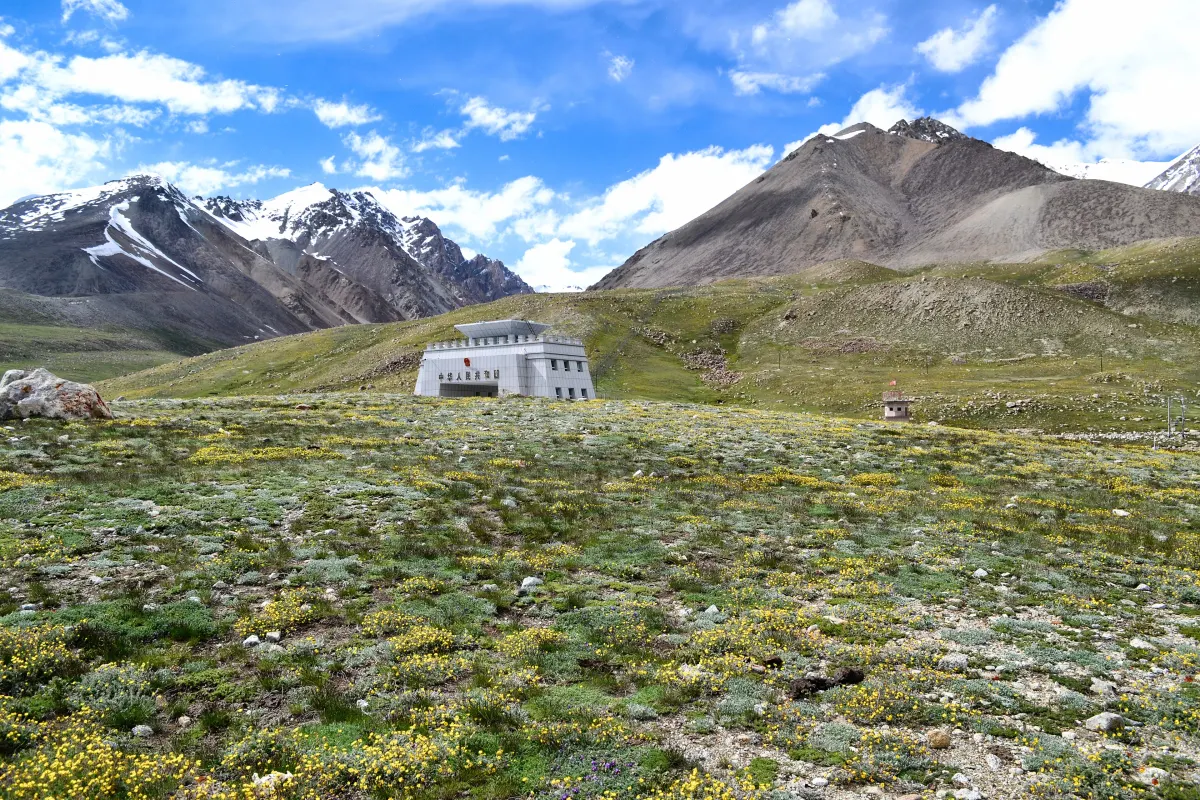
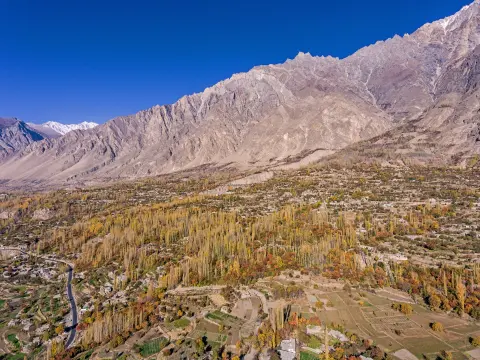
- Much of the north is high: Karimabad is about 2,500 metres, the Deosai Plains are over 4,000 metres, and the Khunjerab Pass is about 4,700 metres. Above about 2,500 metres you can get altitude sickness, even if you're fit.
- Most people drive up to the Khunjerab Pass and back in a day, which is fine if you don't linger. If you feel a headache, dizziness, nausea or breathlessness, go back down.
- Treks to places like Fairy Meadows and the K2 area need proper acclimatisation: go up slowly, with a licensed guide.
Heat and pollution
- The plains are extremely hot from May to early July, with temperatures above 45°C in places. Drink plenty, avoid the midday sun, and plan sightseeing for early morning and evening. See When to go.
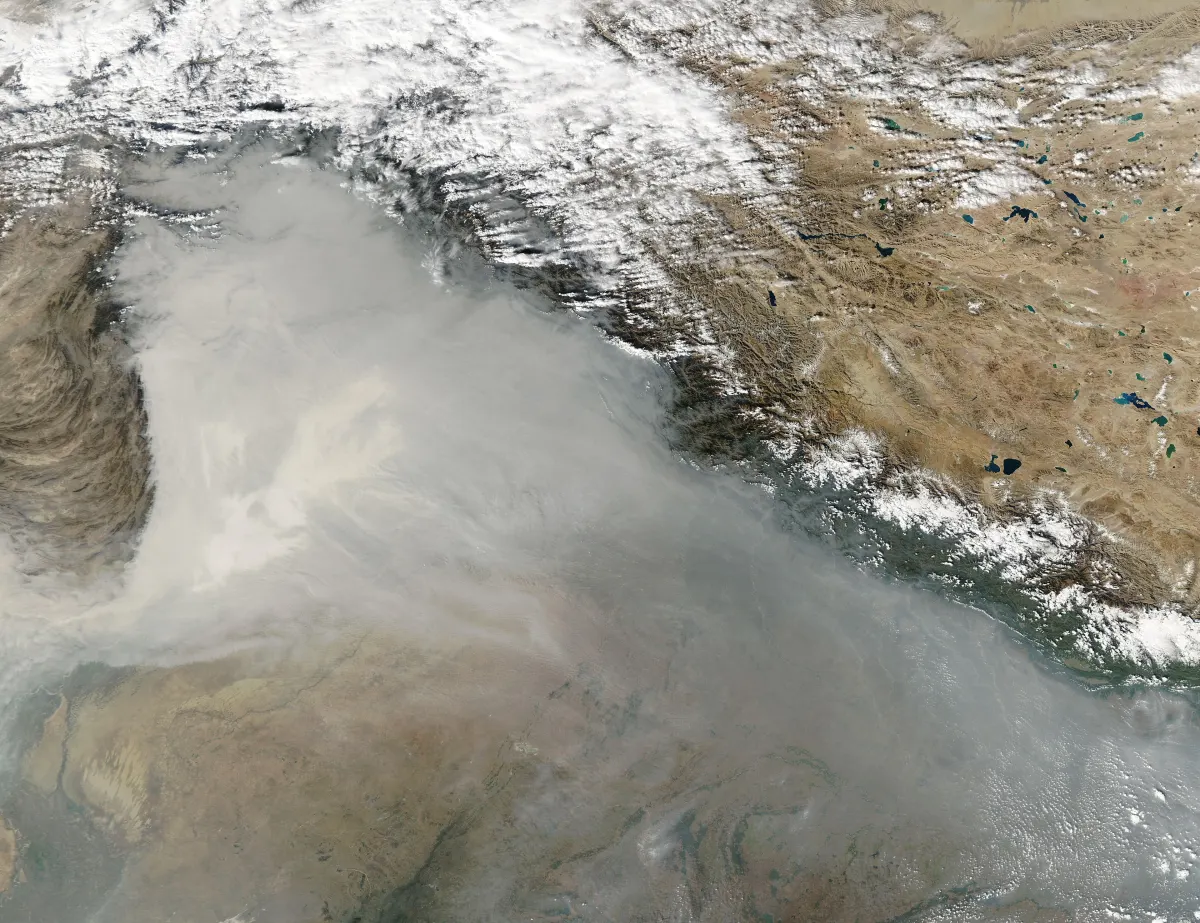
- Air pollution in Lahore and other cities in Punjab is among the worst in the world from about November to January, when smog sometimes closes schools and roads. If you have asthma or heart or lung problems, consider another season, and check the air quality each day.
Hospitals and emergencies
- There are good private hospitals in Islamabad, Lahore and Karachi, but standards elsewhere are much lower, and in the mountains help can take hours to arrive. Hospitals usually want payment or an insurance guarantee before treatment.
- Bring enough of any prescription medicine for your whole trip, in its original packaging with a copy of the prescription: some medicines are often in short supply.
- Call 1122 for an ambulance and rescue in most of the country.
Comments
No comments yet.