
When to go to Pakistan: the seasons in the mountains and the plains, the monsoon, blossom and autumn colours
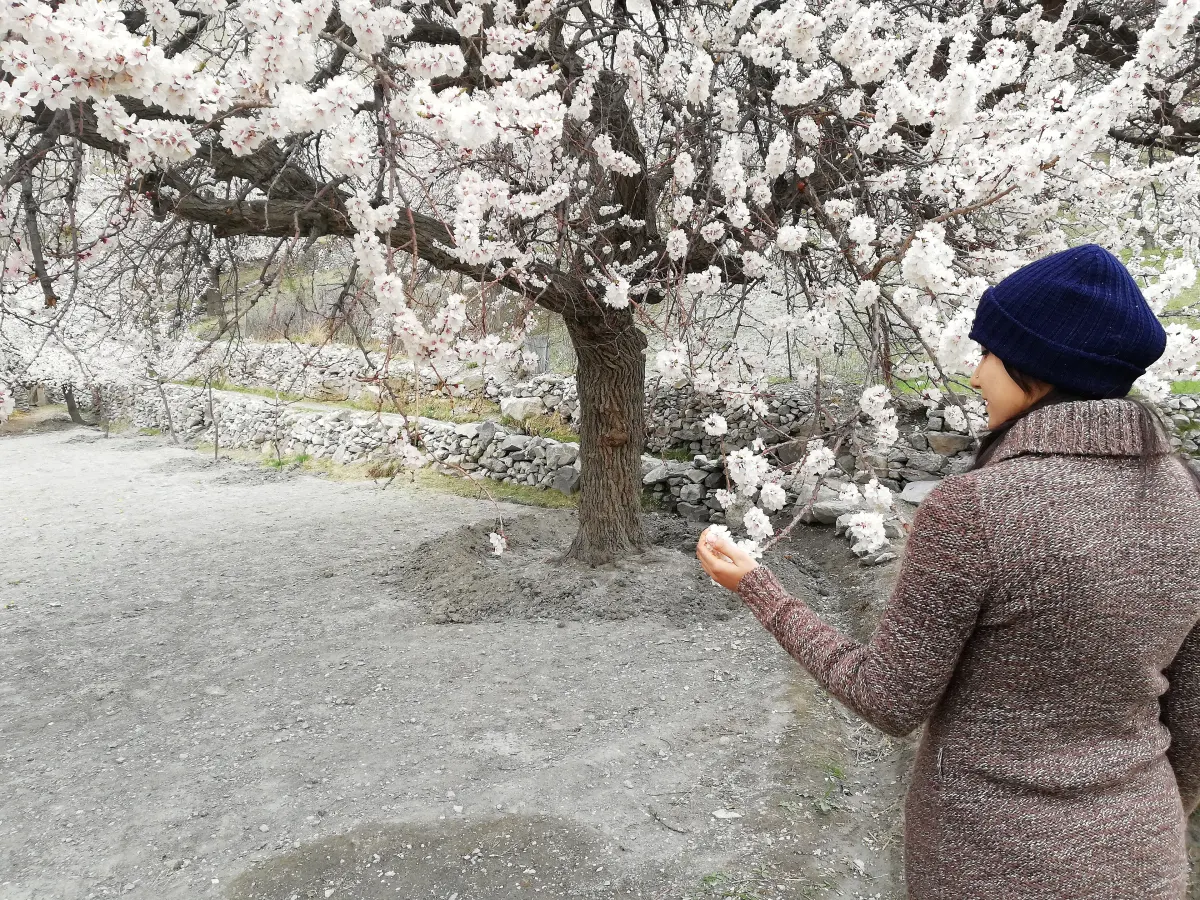
Pakistan runs from the Arabian Sea to some of the highest mountains on Earth, so the best time to go depends on where you're going. Broadly, the north is best from April to October, and the plains, including Lahore and Islamabad, from October to March. Hunza in spring or autumn, combined with Islamabad and Lahore, works well.
The mountains: Hunza, Gilgit and Skardu
- Spring (late March to April): the apricot and cherry trees of Hunza blossom, usually from late March in the lower valleys to mid-April higher up, under snowy peaks. Nights are cold, and some hotels are only just opening.
- Summer (May to September): the main season, with warm days in the valleys and cool nights. High places such as the Deosai Plains are usually open only from about June or July to September, when the snow has gone, and the treks to Fairy Meadows and the K2 area are at their best. It's also when Pakistani tourists head north in huge numbers, especially around the Eid holidays and Independence Day (14 August): book hotels and flights early.
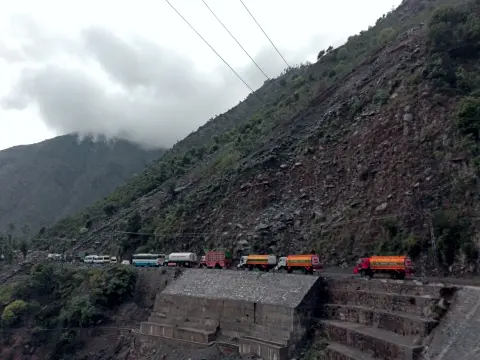
- The monsoon brings less rain to the far north than to the plains, but from July to September heavy rain can still cause landslides and flash floods that block the Karakoram Highway for hours or days, and glacial lakes can burst. Leave spare days in your plans.
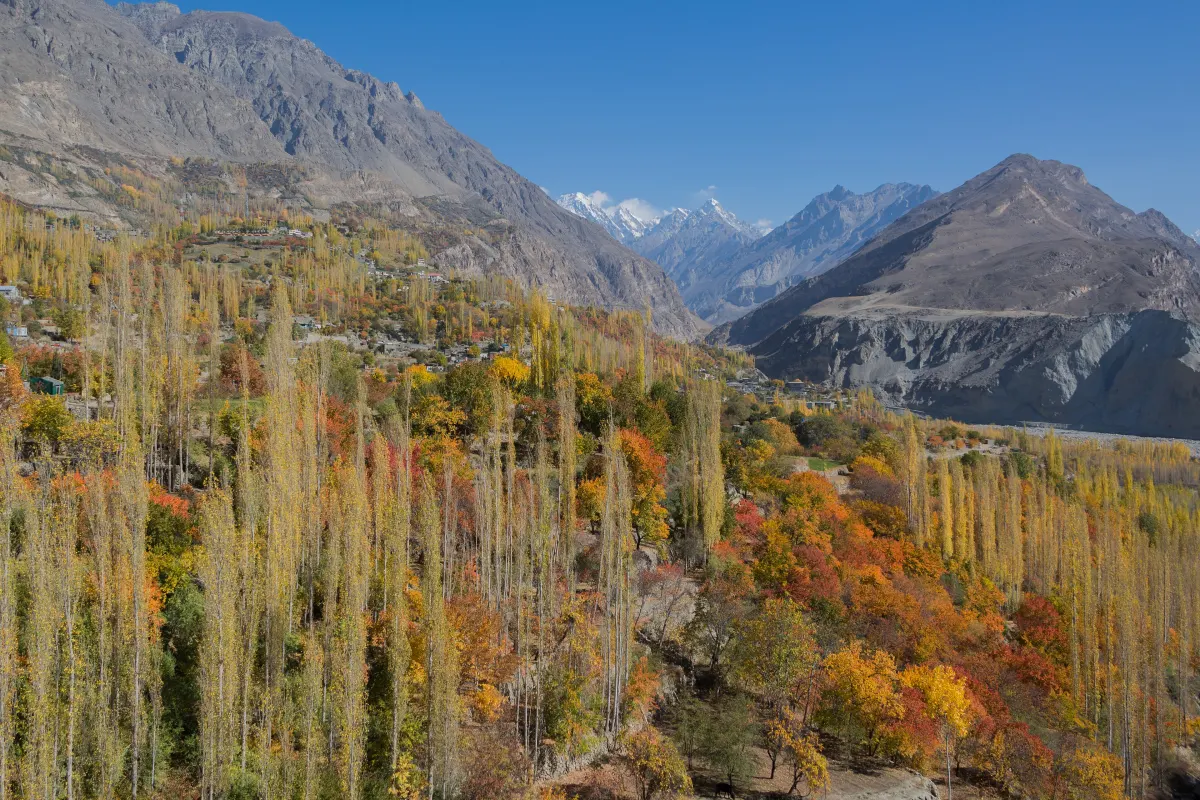
- Autumn (October to early November): clear skies and the poplars and fruit trees of Hunza and Skardu turning gold and red, usually at their best from late October into early November. Fewer crowds, and many people's favourite time to visit.
- Winter (December to February): very cold, with snow, and many hotels in the upper valleys close. Roads can be blocked and flights to Gilgit and Skardu are cancelled more often. The lakes in upper Hunza freeze, which draws some visitors.
- The Khunjerab Pass to China is typically open from April to November, and the road over the Babusar Pass usually only from about June to October; both depend on the snow.
The plains: Islamabad, Lahore and Karachi
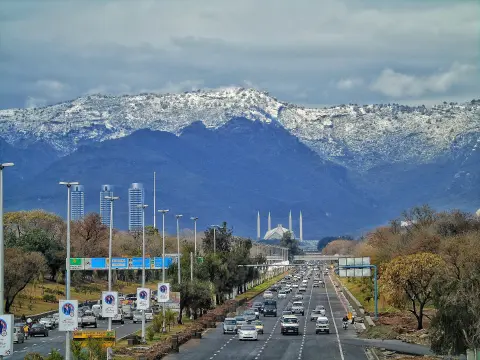
- October to March is the best time, with warm days and cool nights. February and March are especially pleasant, with spring flowers in Islamabad and Lahore.
- From about November to January, the cities of Punjab, including Lahore, suffer from thick smog and fog, which can be a serious health risk and can close motorways and airports. Islamabad is usually better than Lahore. See Health.
- April to June gets hotter and hotter. In May and June temperatures in Lahore and the plains often pass 40°C and can go above 45°C, and heatwaves are dangerous. Islamabad is a little cooler, and Karachi is less extreme but humid.
- The monsoon, roughly from late June or July to September, brings heavy rain, humidity and urban flooding, and in some years, such as 2022, catastrophic floods across the country. Dengue peaks after the monsoon.
Holidays to plan around
- Ramadan moves about 11 days earlier each year (in 2027 it's expected to start in early February). Travel is possible, but daytime restaurants are limited. See Culture and etiquette.
- Eid al-Fitr and Eid al-Adha are the busiest travel times of the year: buses, flights and northern hotels fill up and prices rise.
- Independence Day, 14 August, is celebrated everywhere, and the north is very busy around it.
- Ashura, in the month of Muharram, has processions and tight security, and mobile networks are sometimes suspended.
For forecasts, the Pakistan Meteorological Department publishes weather warnings, including for the monsoon and heatwaves.

Comments
No comments yet.