
Weather, heat and health in Hong Kong: when to go, the summer heat, water, mosquitoes and doctors
Hong Kong is a healthy place to visit: the food and water are safe, and the doctors and hospitals are excellent. The main things to plan for are the summer heat and humidity, mosquitoes, and the cost of medical care for visitors.
When to go
- October to December is the best time: warm, dry, sunny and clear, with low humidity. It's the best time for hiking.
- January to March is cool, sometimes cold for a few days, with grey skies, fog and drizzle, especially in March. Buildings have little heating.
- April and May are warm and increasingly humid, with the first heavy rain.
- June to September is hot, very humid and rainy, with typhoons. The heat in the streets can be exhausting, but everywhere indoors is air-conditioned, often very cold. See Typhoons and rainstorms.
- Hotels are busiest and most expensive at Chinese New Year, Easter, the Golden Week holidays (early May and early October) and big events like the Rugby Sevens and the art fairs in March.
The heat
- In summer, the combination of heat and humidity is hard work. The Observatory issues a Very Hot Weather Warning when it's dangerously hot, which is often in July and August.
- Drink plenty of water, wear light clothes and a hat, use sunscreen, and plan outdoor sightseeing for the morning and evening. Spend the middle of the day in museums, malls and the MTR.
- Carry a layer for the air-conditioning: the change from 33 degrees outside to 18 inside catches many visitors out.
- Heatstroke is a real risk when hiking. See Hiking in Hong Kong.
Water and food
- Tap water: the Water Supplies Department treats Hong Kong's water to meet strict standards, and it's safe to drink when it leaves the treatment works. In older buildings, the pipes and tanks may not be so good, so many Hong Kong people boil or filter it, and many hotels give you bottled water. Bottled water is cheap and everywhere.
- Food hygiene is good, from restaurants to cooked-food stalls.
Mosquitoes
- Hong Kong has dengue mosquitoes, and there are some local cases of dengue fever in most summers and autumns, as well as many cases brought in from South-East Asia. Neighbouring Guangdong had a large outbreak of chikungunya, another virus spread by the same mosquitoes, in 2025.
- Use insect repellent in parks, on hikes and in the evenings, especially from May to October. The Centre for Health Protection (chp.gov.hk) posts current outbreaks.
- There's no malaria in Hong Kong.
Air quality
Hong Kong's air is often hazy, especially in autumn and winter, when the wind brings pollution from mainland China. The Environmental Protection Department's Air Quality Health Index (AQHI), on its website and in the MyObservatory app, tells you when to cut down on outdoor exercise, which matters if you have asthma or heart problems.
Doctors and hospitals
- Medical care in Hong Kong is very good, in both public and private hospitals, and most doctors speak English.
- It's expensive for visitors: public hospitals charge non-residents much higher fees than residents, and private hospitals more again. Have travel insurance with medical cover.
- Emergencies: call 999 for an ambulance, or go to the accident and emergency department of a public hospital, where patients are seen in order of urgency. Queues are long for minor problems.
- Clinics: for minor illness, private general practitioners' clinics, found in most districts and many hotels, are quicker.
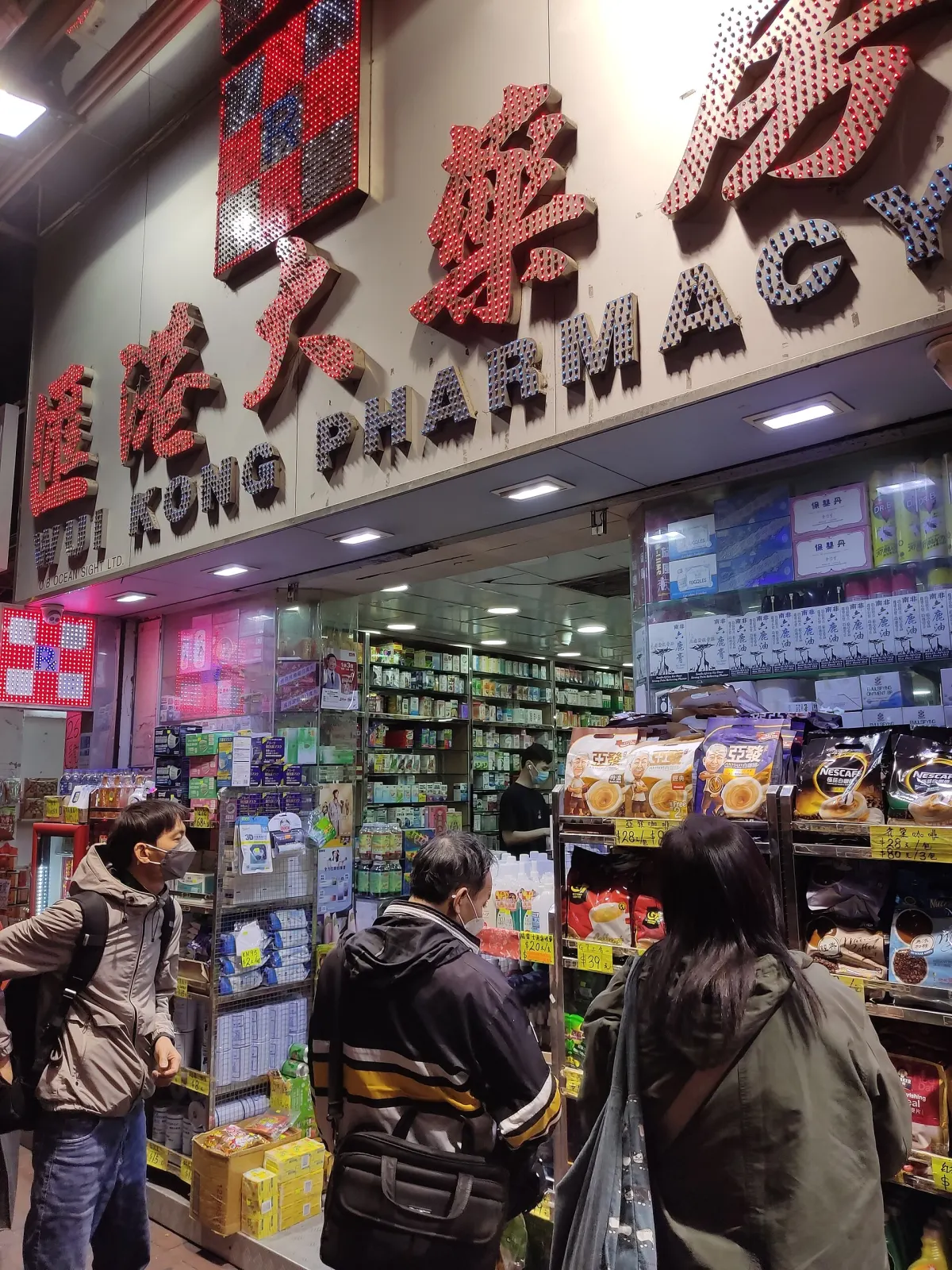
- Pharmacies are everywhere (Watsons and Mannings are the biggest chains). For prescription medicines, go to a registered pharmacy with a pharmacist on duty. Bring enough of your own medicines, with a prescription. See Arriving in Hong Kong.
Other things
- Vaccinations: no special vaccinations are required, but make sure your routine ones are up to date, and ask your doctor or a travel clinic about others.
- Swimming: swim at beaches with lifeguards. Jellyfish can be a nuisance in summer, and some beaches have red tides or poor water after heavy rain: the Environmental Protection Department publishes water quality grades for the beaches.
- Smoking is banned indoors and in many outdoor places, and vapes are banned outright. See Culture and etiquette.


Comments
No comments yet.