
Crossing to Shenzhen, mainland China and Macau from Hong Kong: borders, visas and how to get there
Hong Kong, Macau and mainland China are all part of China, but they each have their own border controls, currency and visa rules, so crossing between them is like crossing a border between countries. You go through immigration on both sides, with your passport, every time.
The rules in short
- Hong Kong: visa-free for most visitors. See Arriving in Hong Kong.
- Macau: visa-free for most Western visitors too, but for different lengths of time from Hong Kong.
- Mainland China (including Shenzhen, right on the border): many nationalities can now visit for up to 30 days without a visa, but not all. US citizens, for one, still need a visa unless they're in transit to a third country.
- When you come back to Hong Kong from Macau or the mainland, you get a new visa-free stay.
- Each place has its own money (the Macau pataca, the Chinese yuan), its own phone networks and its own rules: see below.
Visiting mainland China
- 30 days visa-free: China lets passport holders from about 50 countries visit for up to 30 days without a visa, for tourism, business or visits. The list (February 2026) includes the UK, Canada, Australia, New Zealand, Ireland, France, Germany and most of the rest of Europe, Japan and South Korea. The scheme runs until 31 December 2026 for most countries, and has been extended several times, so check before you go.
- US citizens aren't on that list, and need a visa for a normal visit, applied for in advance. They can use China's 240-hour visa-free transit instead, if they're flying on to a third country and meet its conditions.
- Group tours to Guangdong: if you book a tour of two or more people through a travel agency registered in Hong Kong or Macau, you can visit the Pearl River Delta cities (Shenzhen, Guangzhou, Zhuhai, Foshan and others) for up to 6 days without a visa, as long as you enter and leave together as a group.
- See Visas for China for more, and check the Chinese embassy in your country or the National Immigration Administration (nia.gov.cn) for the current rules.
To Shenzhen and Guangzhou
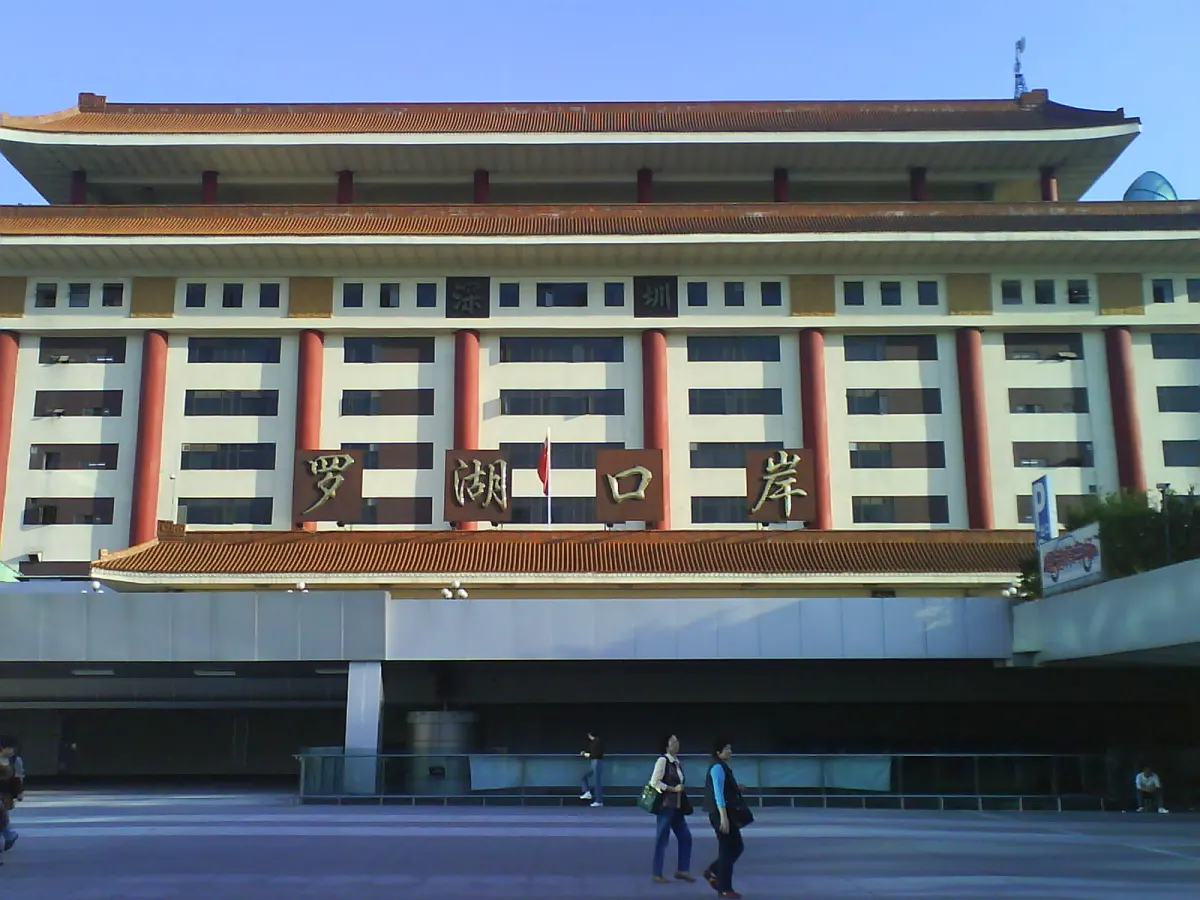
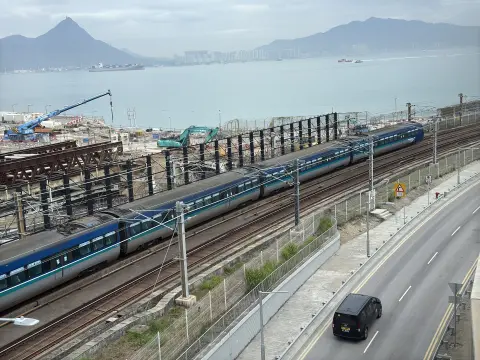
- By MTR: the East Rail line runs from Admiralty and Kowloon to the border at Lo Wu (for Luohu, in central Shenzhen) and Lok Ma Chau (for Futian). You walk through Hong Kong's exit control, across the border, and through mainland immigration, then on to the Shenzhen Metro. It takes about an hour from Kowloon, plus the queues, which are long at weekends and holidays, when many Hong Kong people go to Shenzhen to shop and eat.
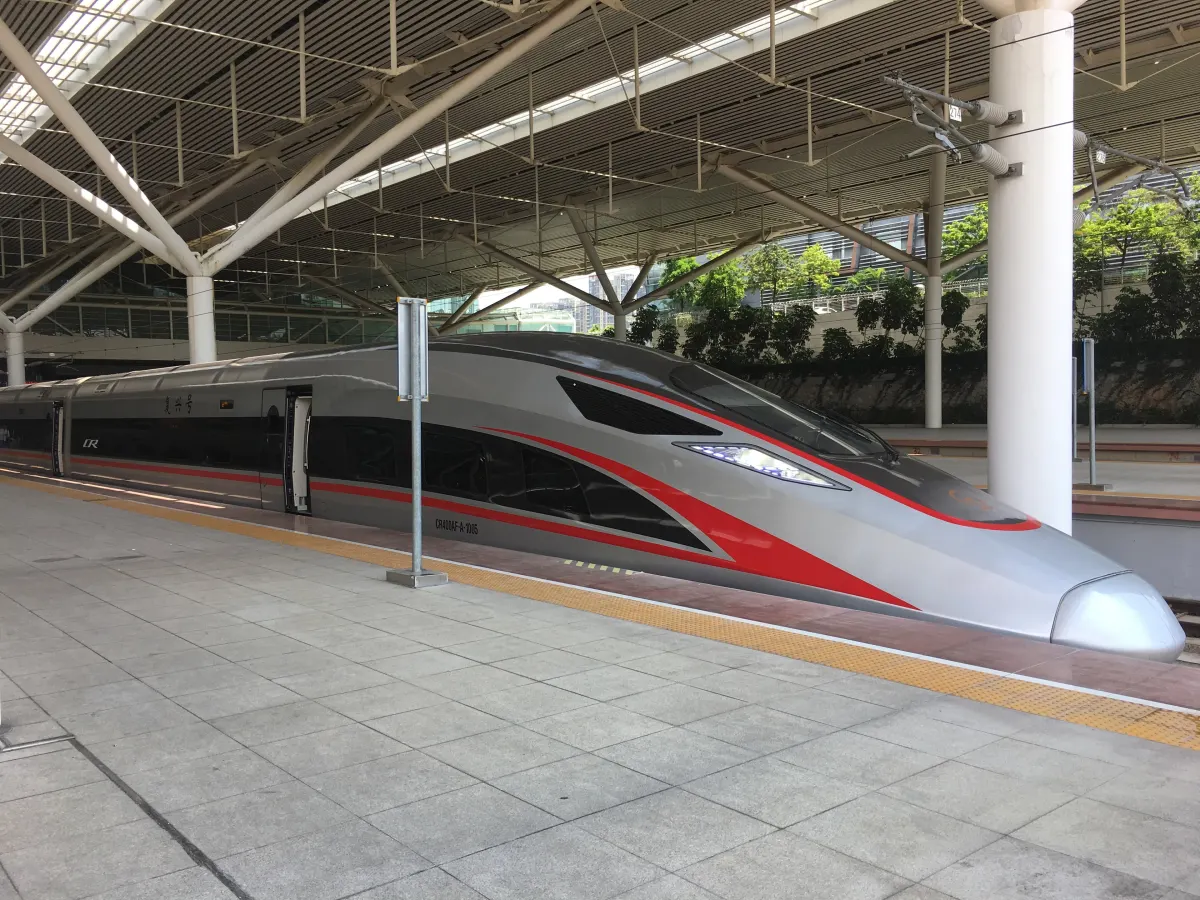
- By high-speed train: trains from Hong Kong West Kowloon station run to Futian (central Shenzhen) in under 20 minutes, Shenzhen North, Guangzhou South and many cities further away. The mainland has its own immigration checkpoint inside West Kowloon station, so you clear both Hong Kong and mainland immigration before you get on the train. Book tickets on the MTR's high-speed rail site or app, or at the station, with your passport. See Taking the train in China.
- By bus: cross-border coaches go from Hong Kong to Shenzhen Bay, Shenzhen airport and further into Guangdong. You get off the bus at each checkpoint with your bags.
Before you cross into the mainland
- Your phone: Google, WhatsApp, Instagram, Facebook and many other apps and sites are blocked in mainland China, but not in Hong Kong. A Hong Kong SIM or eSIM roaming in the mainland usually still reaches them, so it's worth having one. See Getting online in China.
- Paying: the mainland runs on Alipay and WeChat Pay, and many places don't take foreign cards or Hong Kong dollars. Set up Alipay or WeChat Pay with your card before you go. See WeChat Pay and Alipay and Apps to install for China.
- The law: mainland China's laws are different from Hong Kong's, and stricter in some ways. Check your government's travel advice for China.
- Your Hong Kong landing slip: you'll get a new one when you come back.
To Macau
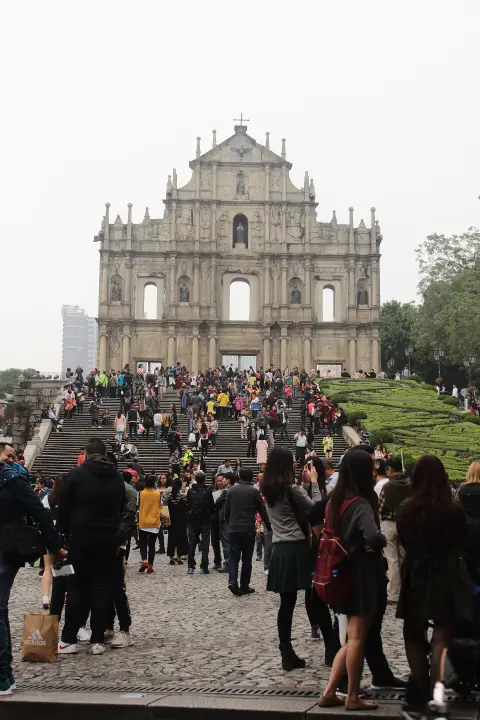
Macau, an hour away, was a Portuguese colony until 1999. Its old centre of churches, squares and Portuguese tiles is a World Heritage Site, and it has its own food, and the casinos and giant resorts of the Cotai Strip. Most visitors go for a day, or a night. See A week in Hong Kong and Macau.
- Visas: most Western visitors don't need a visa for Macau. The length of stay depends on your passport: 30 days for some (including, at the last check, the USA, Canada and Australia), 90 days for most of the EU, and longer for British citizens. Check the Macao Public Security Police (fsm.gov.mo) for your nationality.
- By ferry: fast ferries leave regularly through the day from the Hong Kong–Macau Ferry Terminal in Sheung Wan (Shun Tak Centre), and less often from the China Ferry Terminal in Tsim Sha Tsui, and take about an hour. They go to the Outer Harbour terminal (near the old town) or Taipa (for Cotai). Tickets cost more at night and on the "super class" deck. You pass through immigration at both ends: allow time.
- By bus over the bridge: shuttle buses run round the clock across the 55 km Hong Kong–Zhuhai–Macao Bridge, from the Hong Kong Port next to the airport to Macau, in about 40 minutes, every few minutes at busy times. The fare is cheaper than the ferry, but getting to the Hong Kong Port from town takes time: take a local bus from the airport or Tung Chung, or one of the direct buses from Kowloon. It's good if you're flying in or out.
- Money: Macau's currency is the pataca (MOP), worth slightly less than the Hong Kong dollar. Hong Kong dollars are accepted almost everywhere in Macau, usually one for one, but you'll get change in patacas, which are hard to use in Hong Kong: spend them before you leave.
- Getting around Macau: the big casino hotels run free shuttle buses from the ferry terminals and the border, which anyone can use. Public buses are cheap, and the Light Rapid Transit runs between Taipa and the border.

Comments
No comments yet.