
Money in Hong Kong: Hong Kong dollars, Octopus, cards, cash, tipping and service charges
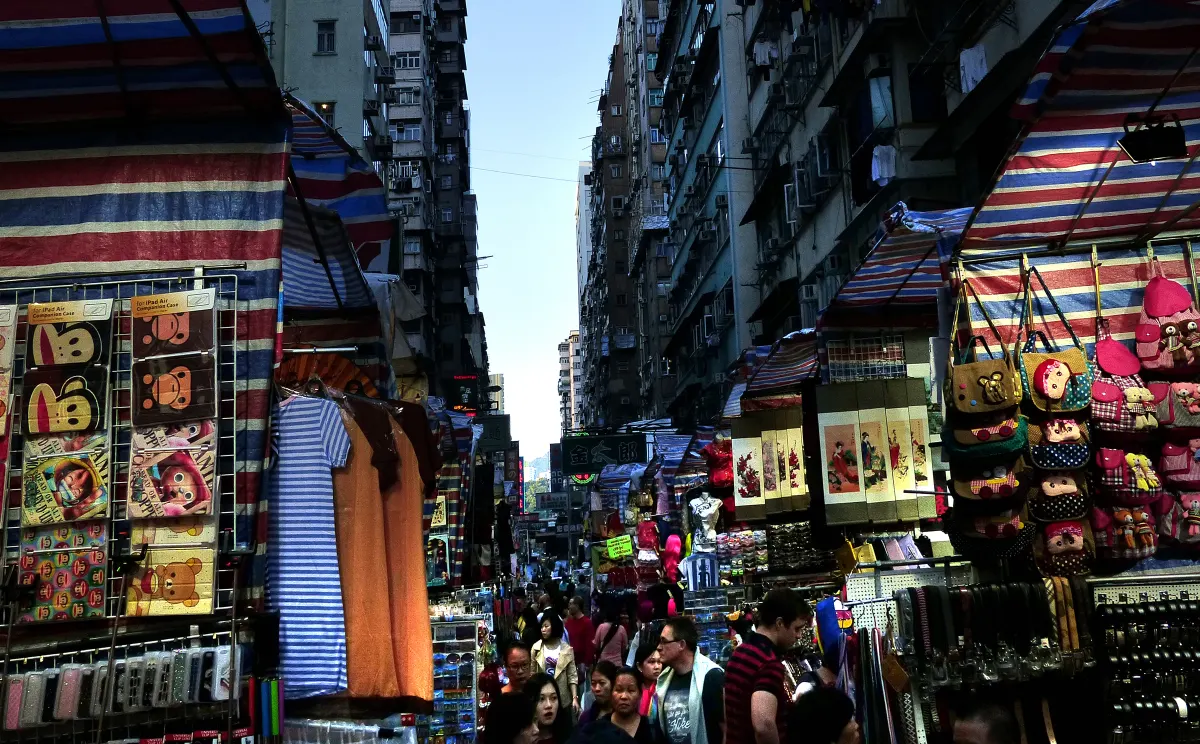
Hong Kong is easy for money: cards work in most shops, hotels and restaurants, the Octopus card pays for small things, and there's no sales tax. But it isn't cheap, and some of the best places to eat still want cash.
The Hong Kong dollar
- The currency is the Hong Kong dollar (HK$, HKD). It's pegged to the US dollar, at between 7.75 and 7.85 HK dollars to one US dollar, so its value hardly changes.
- Hong Kong's banknotes are issued by three banks (HSBC, Standard Chartered and the Bank of China), so you'll see three different designs of each note, all equally good. The HK$10 note is issued by the government.
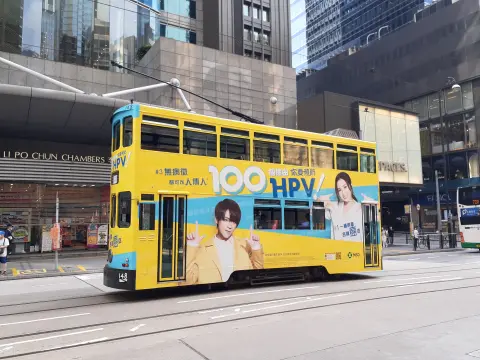
- Coins go from 10 cents to HK$10. Keep some for buses, trams and minibuses, which give no change.
- No sales tax: prices in shops are what you pay, and there's no VAT or GST to claim back.
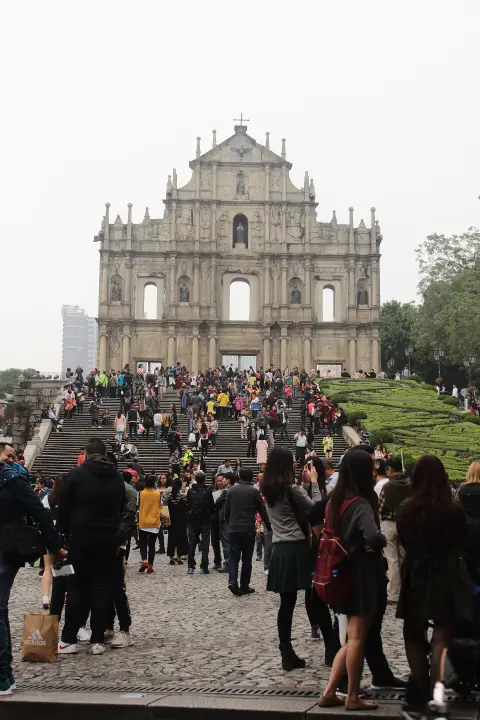
- Hong Kong dollars aren't the currency of Macau or mainland China, though they're widely accepted in Macau. See Crossing to Macau and mainland China.
Cards and phones
- Visa and Mastercard are accepted in hotels, malls, chain shops, most restaurants and supermarkets, and for tapping on the MTR. American Express and UnionPay are accepted in many places too.
- Apple Pay and Google Pay work wherever contactless cards do.
- Many shops and restaurants also take Alipay and WeChat Pay, including the mainland versions that mainland visitors use, and Hong Kong's own PayMe and FPS, which visitors can't easily use.
- When a card machine or ATM offers to charge you in your home currency instead of Hong Kong dollars, say no and pay in HKD: the exchange rate is almost always worse.
The Octopus card
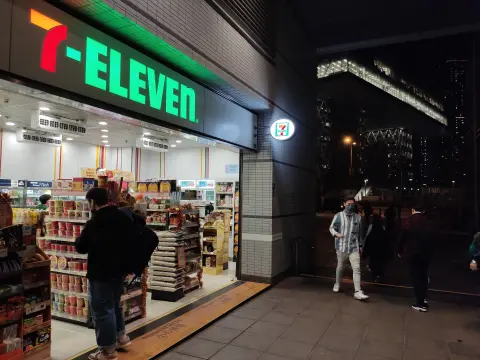
The Octopus isn't only for transport: you can pay with it at convenience stores (7-Eleven, Circle K), supermarkets, McDonald's and other fast-food chains, many cafés and bakeries, vending machines and car parks. It's the quickest way to pay for small things. See Getting around Hong Kong for how to get one.
When you need cash
- Many small places still take cash only, or cash and Octopus: cha chaan teng cafés, noodle shops, dai pai dong food stalls, street markets like the Temple Street Night Market, red minibuses and small shops. Carry a few hundred Hong Kong dollars.
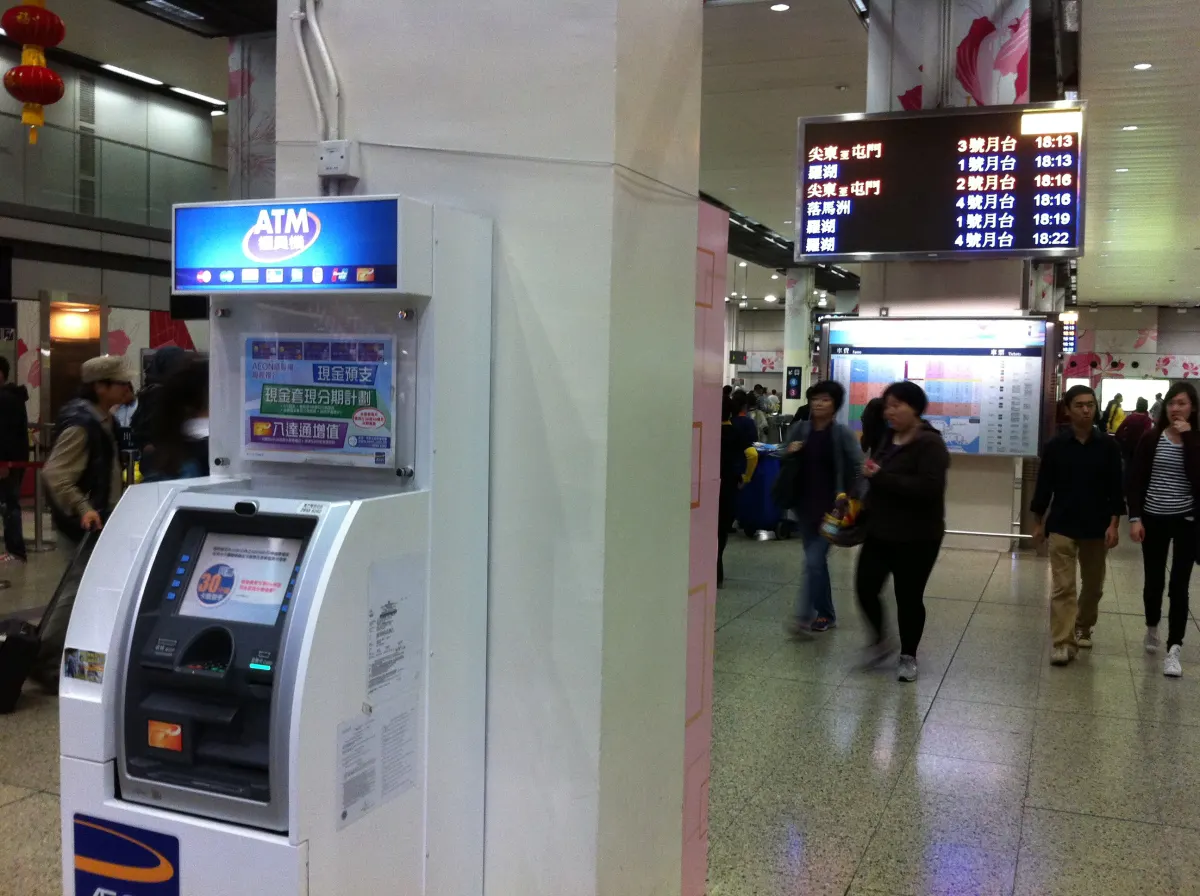
- ATMs are everywhere, in MTR stations, malls and banks, and most take foreign cards. Hong Kong banks don't usually charge foreign cards, but your own bank may. HSBC, Hang Seng and Bank of China ATMs are easy to find.
- To change money, banks and licensed money changers give much better rates than the airport or hotels. Money changers in Tsim Sha Tsui and Central often give good rates: compare the buying and selling rates on the board.
What things cost
- Hotels are among the most expensive in Asia, and rooms are small.
- Food can be cheap: a bowl of wonton noodles, a cha chaan teng breakfast or a plate of roast goose on rice costs much less than a Western-style meal. Dim sum is good value, especially at lunch.
- Public transport is cheap. The Star Ferry costs a few dollars.
- Many museums are cheap or free on some days. Bars in Central and Lan Kwai Fong are expensive: look for happy hours.
Tipping
- Restaurants: most sit-down restaurants add a 10% service charge to the bill, and you don't need to leave anything more. Cheaper places, like cha chaan teng and noodle shops, don't add one, and no one expects a tip, though leaving the small change is fine.
- Taxis: round up to the nearest dollar or so. Drivers often round up the fare themselves.
- Hotels: a small tip for a porter who carries your bags is appreciated.
- Guides: a tip is welcome if you're happy with the tour.
Bargaining
Prices are fixed in shops and malls. In street markets, like the Ladies' Market in Mong Kok and the Temple Street Night Market, it's normal to bargain, with a smile. Be wary of electronics shops in tourist areas that offer prices that seem too good: check the model, warranty and final price before you pay.
Comments
No comments yet.