
Hong Kong food: dim sum, cha chaan teng, dai pai dong, roast meats and what to try
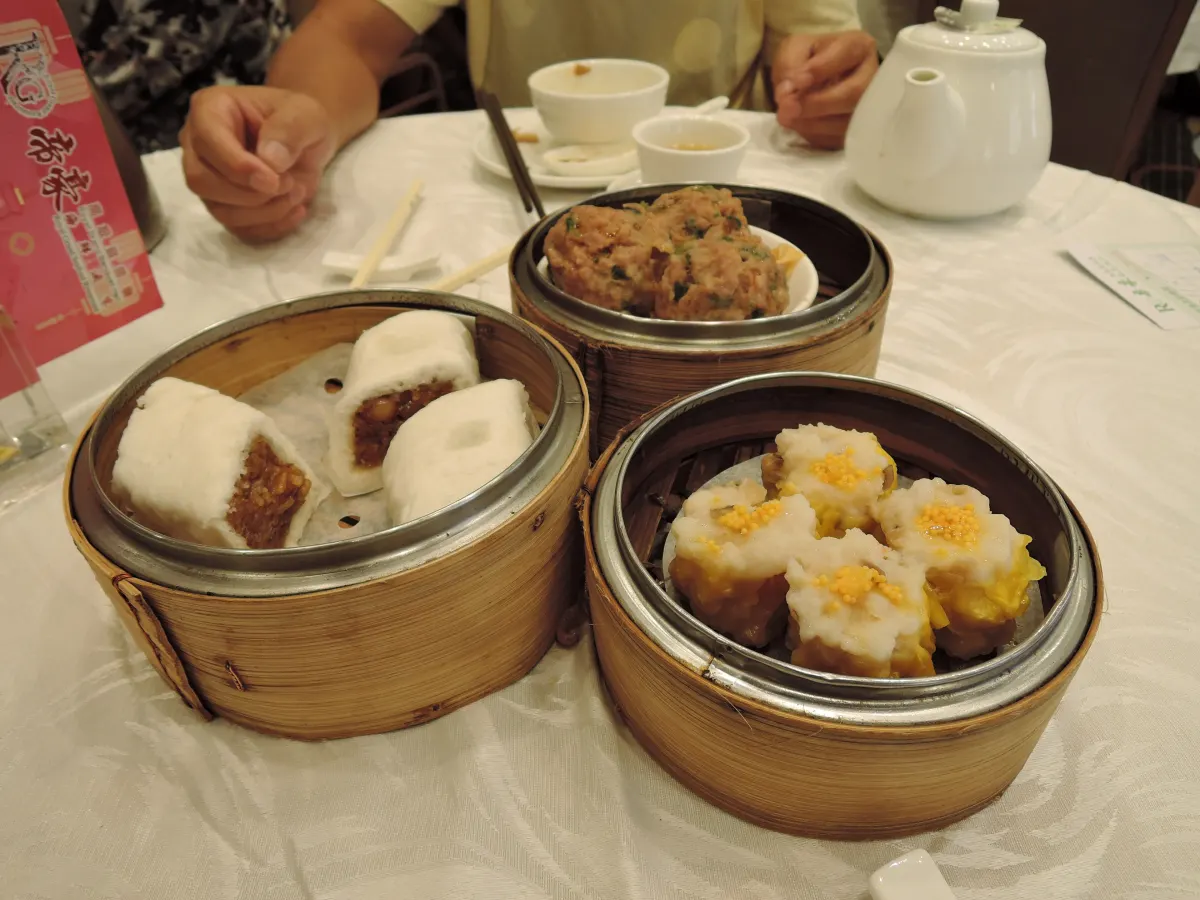
Hong Kong is one of the great food cities of the world, and you can eat superbly for very little. Cantonese cooking is the heart of it, fresh, light and careful, but there's also the city's own café food, mixing East and West, and every other cuisine you can think of.
Dim sum and yum cha
Yum cha ("drinking tea") is the Cantonese way of eating dim sum, small dishes of dumplings and buns, with tea, for breakfast or lunch, often with a crowd of family and friends.
- What to order: har gow (shrimp dumplings), siu mai (pork and shrimp dumplings), char siu bao (buns of barbecued pork), cheung fun (rice noodle rolls), lo mai gai (sticky rice in a lotus leaf), chicken feet, turnip cake, and egg tarts or mango pudding to finish.
- How to order: most places give you a paper order sheet: tick what you want and hand it over. A few old places still bring dishes round on trolleys. The waiter marks your card each time.
- Tea: you choose a tea first (pu'er, jasmine and oolong are the usual). Pour for others before yourself, and tap two fingers on the table to say thank you when someone pours for you. To get more hot water, leave the lid of the teapot ajar.
- When: yum cha is busiest at weekends and lunchtimes, when there are long queues at the famous places. Go early, before 11 am.
- Places range from huge, noisy banqueting halls to old tea houses and cheap dim sum chains, some with a Michelin star.
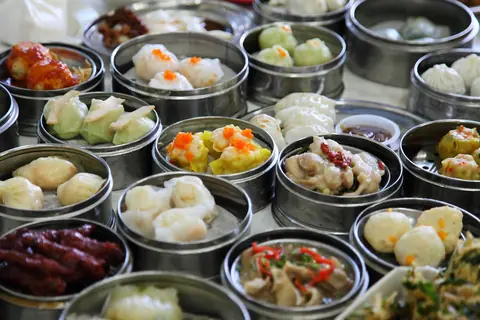
Yum cha and dim sum in Hong Kong
Yum cha, 'drinking tea' with dim sum, is a Hong Kong morning ritual.
Cha chaan teng
A cha chaan teng ("tea restaurant") is Hong Kong's own kind of café: fast, cheap, busy and noisy, with menus of hundreds of dishes mixing Cantonese and Western food. They're where Hong Kong people have breakfast, a quick lunch or a mid-afternoon tea.
- Drinks: Hong Kong-style milk tea, strong and made with evaporated milk, yuenyeung (coffee and tea mixed), lemon tea and iced drinks (which often cost a few dollars more).
- Food: pineapple buns (with no pineapple: the name comes from the crackly sugar top), often with a slab of butter, French toast with peanut butter and syrup, macaroni soup with ham, instant noodles with egg and luncheon meat, baked pork chop rice, and set meals at fixed times of day.
- You'll often share a table with strangers. It's normal: just nod and sit down. Pay at the till by the door on the way out, often in cash or Octopus.
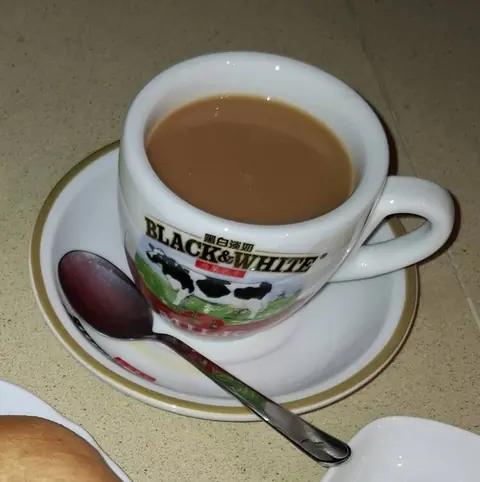
Hong Kong milk tea and cha chaan teng
Strong black tea brewed through a cloth bag (said to look like a silk stocking, so it's called 'silk stocking tea') and mixed with evaporated milk, s…
Dai pai dong
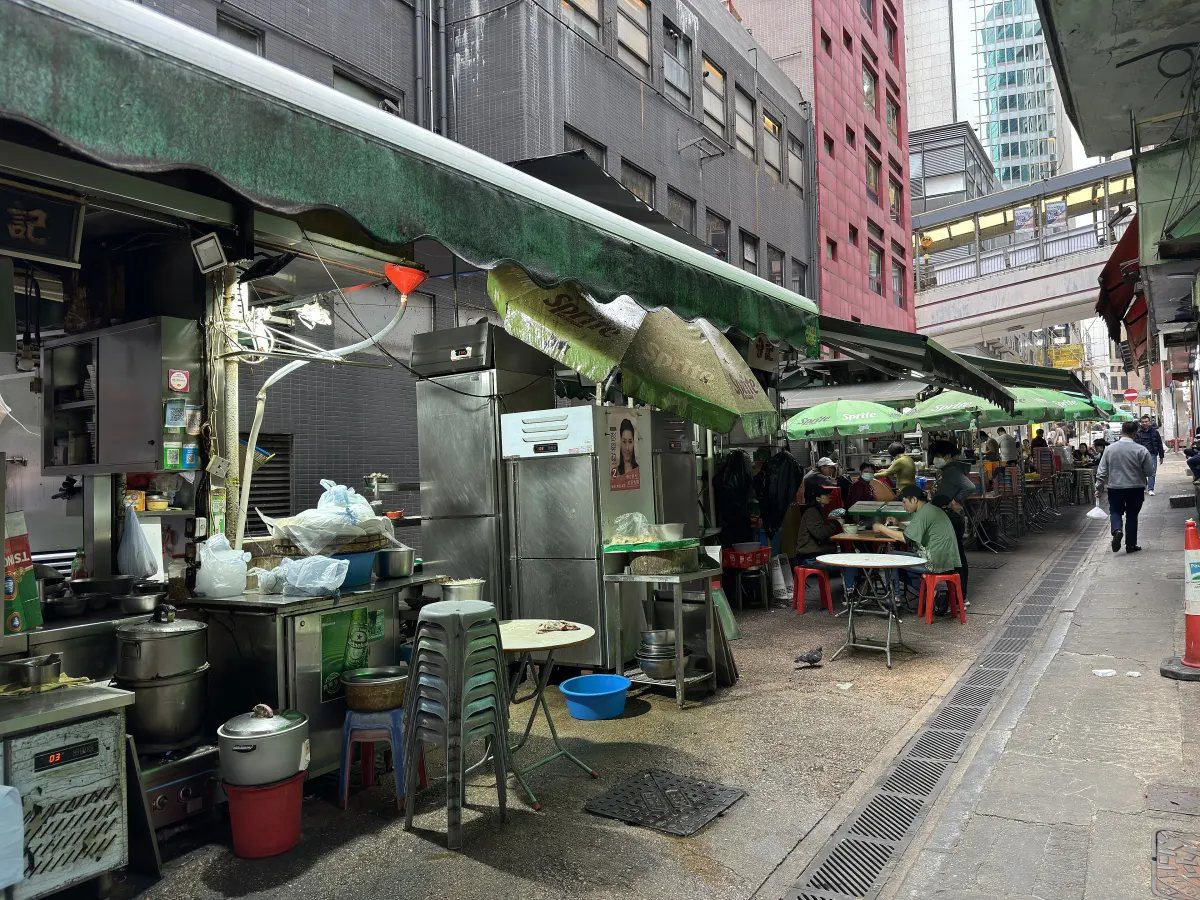
The dai pai dong are open-air food stalls with folding tables on the pavement, licensed for decades. Only a handful are left, mostly in Central and Sham Shui Po, as the licences can't be passed on. They're loud, cheap and good for Cantonese stir-fries in the evening, or for milk tea and toast in the morning. Many cooked-food centres above markets keep the same spirit indoors, and the Temple Street area has open-air seafood and claypot rice stalls in the evenings.
What else to try
- Roast goose and Cantonese roast meats: siu mei shops hang roast goose, char siu (barbecued pork) and crispy roast pork in the window. Have it on rice, for lunch.
- Wonton noodles: thin, springy egg noodles with shrimp wontons in a clear broth, a small bowl at a time.
- Egg tarts: with pastry or a short crust, warm from the oven at a bakery. Macau's Portuguese egg tarts are a different thing.
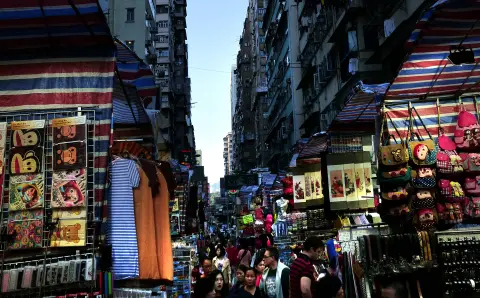
- Street snacks: egg waffles (gai daan jai), fish balls on a stick with curry sauce, and stuffed peppers and aubergines, from street stalls in Mong Kok and other busy districts.
- Congee (rice porridge) and fried dough sticks for breakfast, and clay-pot rice in winter.
- Seafood: choose it live from the tanks in the fishing villages of Sai Kung, Lei Yue Mun or Lamma. Check the price per catty (about 600 g) and how it'll be cooked before you agree.
- Desserts: mango sago, sweet soups, tofu pudding and milk puddings at dessert shops.
Tips
- Look for queues, and use OpenRice for reviews. Many cheap places have English menus or photos. The Michelin guide's "Bib Gourmand" list for Hong Kong is full of cheap noodle shops and roast-meat shops.
- Food is generally safe, and so is the tap water (see Health). Cooked-food centres and stalls are licensed and inspected.
- Most sit-down restaurants add a 10% service charge. See Money.
- Shark's fin soup is still served at some banquets: many visitors choose not to order it.
- Vegetarians: Buddhist vegetarian restaurants are good, and the monastery at Po Lin, by the Tian Tan Buddha, serves a vegetarian lunch.


Comments
No comments yet.