
Typhoons and rainstorms in Hong Kong: the Observatory's signals and what they mean for your trip
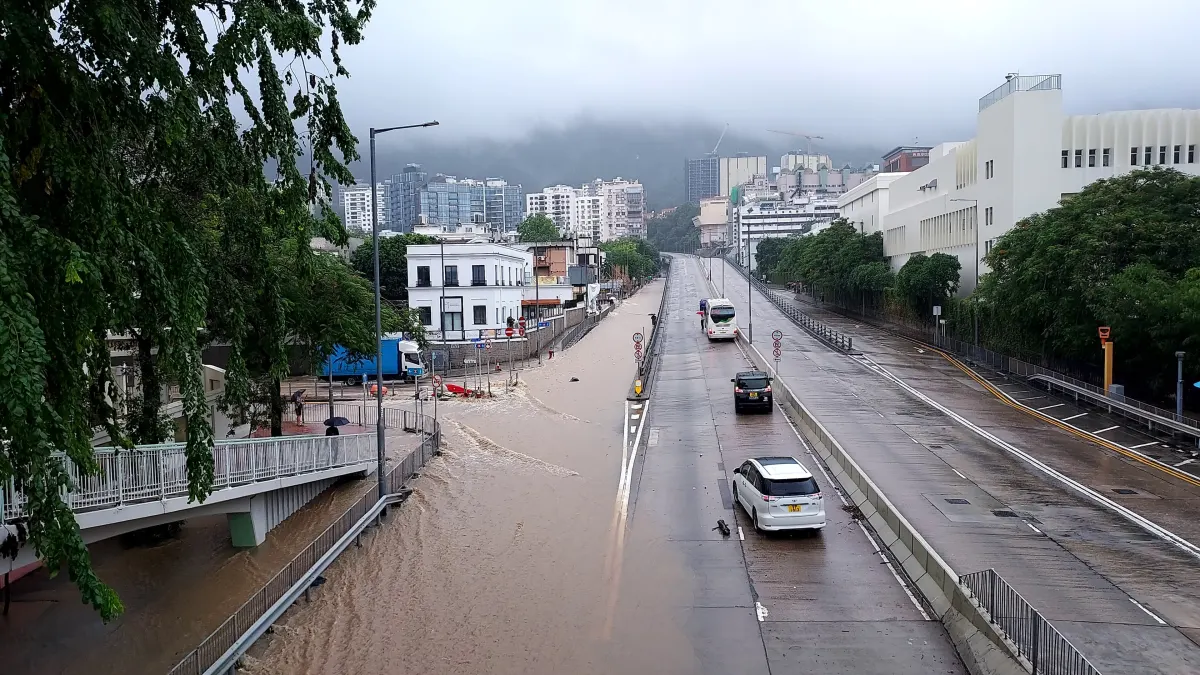
Between May and November, Hong Kong is regularly hit by typhoons and by very heavy rain. The city is extremely well prepared: the Hong Kong Observatory issues clear warning signals, and everyone knows what they mean. But a strong typhoon can shut the city down for a day or more, and cancel flights and ferries, so it helps to know the system.
When
- The typhoon season runs from about May to November, and most storms come between July and September.
- The rainy season is from about April to September, with thunderstorms and very heavy downpours.
- Recent years have brought some severe storms: in 2025, the highest signal, No. 10, was raised twice, for typhoons Wipha in July and Ragasa in September.
The typhoon signals
The Observatory's tropical cyclone warning signals warn of wind. They're shown on its MyObservatory app and website, on TV and radio, and in every MTR station, hotel lobby and office building.
- No. 1, Standby: a tropical cyclone is within about 800 km and may affect Hong Kong. Life goes on as normal. Check the forecast.
- No. 3, Strong wind: strong winds are blowing or expected. Most things carry on, but some ferries may stop, beaches may close and kindergartens close. Secure anything loose, and don't go hiking or to the beach.
- No. 8, Gale or storm (with a direction: NE, NW, SE or SW): gale or storm-force winds are expected. This is the one that changes everything. The Observatory usually gives about two hours' warning that a No. 8 is coming, and when it goes up, offices, shops, schools and most restaurants close, buses and ferries stop, the MTR runs a reduced service (the open-air sections may stop), and flights are delayed or cancelled. Everyone goes home: if you're out, get back to your hotel when the warning comes.
- No. 9, Increasing gale or storm: the winds are getting stronger. Stay indoors.
- No. 10, Hurricane: hurricane-force winds. Stay indoors, away from windows.
After a very severe typhoon, the government may announce "extreme conditions" for a couple of hours after the No. 8 is taken down, while fallen trees and flooding are cleared, and people are asked to stay at home.
The rainstorm warnings
- Amber: heavy rain (more than 30 mm an hour) has fallen or is expected. There may be flooding in low-lying places. Life carries on.
- Red: more than 50 mm an hour. Roads may flood, and there may be landslides. Avoid streams and slopes.
- Black: more than 70 mm an hour. Stay indoors or take shelter until the rain passes. Schools and many offices close if it's issued in the morning.
- A red or black warning can be issued without an amber first. The Observatory also issues thunderstorm warnings, landslip warnings and flooding announcements for the northern New Territories.
What to do
- Install MyObservatory, the Observatory's app, and check the forecast each day in the season. It shows the signals, a nine-day forecast, rain radar and lightning.
- Plan flexibly: keep a spare day before your flight home, book things you can change, and check with your airline when a signal is up. Airlines usually let you rebook.
- Before a No. 8: buy food and water (convenience stores close too, though some stay open), charge your phone, and get back to your hotel. Hotels carry on as normal, and their restaurants usually stay open for guests.
- Don't go out to look: every year people are hurt by flying debris, falling trees, collapsing scaffolding, waves on the seafront and landslides. Stay off the hills, beaches and sea walls, and away from glass.
- After a storm, the city usually recovers quickly, but country parks and hiking trails can be closed for a while because of fallen trees and landslides.
- Macau has its own, similar signals, and ferries to Macau stop under strong winds. See Crossing to Macau.
Heat
The Observatory also issues the Very Hot Weather Warning, which is in force on many summer days, and a cold weather warning in winter. See Weather, heat and health.


Comments
No comments yet.