
Health and insurance in Nepal: helicopter rescue, hospitals, water, food, dengue, rabies and air pollution
Most health problems in Nepal are minor stomach bugs and colds, but the mountains are a long way from a hospital, so insurance and good preparation matter more than in most places.
Insurance with helicopter rescue
- If you're trekking, your travel insurance must cover helicopter rescue and medical evacuation, at the height you'll reach: many policies only cover trekking up to a certain altitude, often below the 5,000 metres or more of the popular treks, or exclude it unless you pay extra. Read the small print.
- A helicopter evacuation from the mountains can cost thousands of dollars: the UK government says helicopters usually cost £1,000 to £2,000 or more per flying hour. Without insurance, or a deposit, a helicopter may not come.
- Keep your insurer's emergency number and your policy number on you and with your guide, and call your insurer before any non-urgent rescue. See Safety for helicopter rescue scams.
- You may be asked to show proof of insurance when you arrive in Nepal, and trekking agencies ask for it.
Hospitals and clinics
- Healthcare is poor outside the Kathmandu Valley and Pokhara. Kathmandu has private hospitals and travel clinics used to treating foreigners; for serious problems, people are often flown to Bangkok or Delhi.
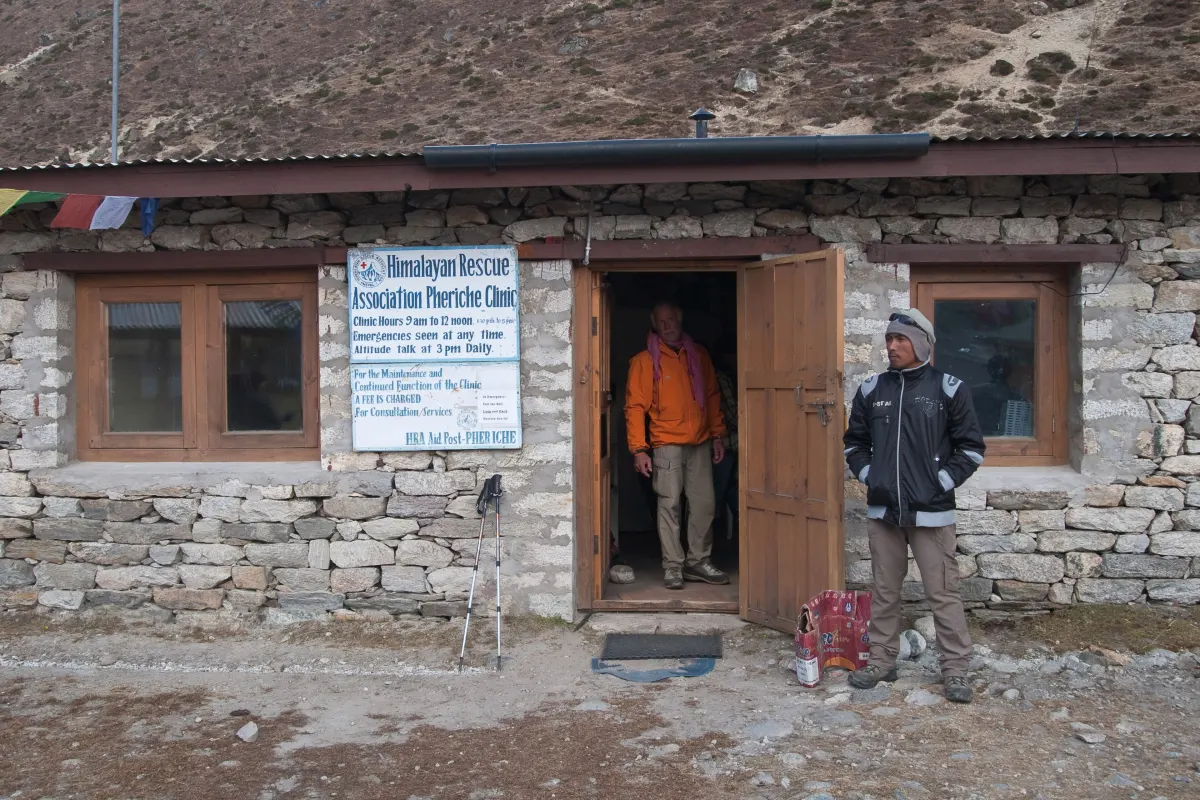
- On the trails, there are a few health posts and the Himalayan Rescue Association's aid posts, but help can be days away on foot. Carry a good first aid kit, and know how to use it.
- Pharmacies in Kathmandu and Pokhara sell most medicines without a prescription, but quality varies. Bring what you need from home, in its original packaging.
Vaccinations
- See a doctor or travel clinic at least eight weeks before you go. Check the advice on TravelHealthPro or from the US CDC. Typhoid, hepatitis A and, for some travellers, rabies, hepatitis B and Japanese encephalitis vaccines are often recommended.
- You'll need a yellow fever certificate if you arrive from a country where yellow fever is found.
Food and water
- Travellers' diarrhoea is very common in Nepal. Don't drink tap or stream water without treating it, wash your hands often, and eat food that's freshly cooked and hot. See Food and drink.
- Bring oral rehydration salts. If you have a high fever, blood in your stools, or diarrhoea that lasts more than a few days, see a doctor.
- Giardia, a parasite that causes sulphurous burps and diarrhoea, is common: a doctor can treat it.
Mosquitoes
- Dengue fever, spread by day-biting mosquitoes, has become common in Nepal in recent years, mostly in the monsoon and just after, and not only in the lowlands: Kathmandu and Pokhara have had big outbreaks.
- There's a risk of malaria and Japanese encephalitis in the lowlands of the Terai, including around Chitwan and Bardia, but not in Kathmandu, Pokhara or the mountains. Ask a travel clinic whether you need malaria tablets for your trip.
- Use insect repellent, wear long sleeves at dawn and dusk, and sleep under a net or in a screened room in the lowlands.
Rabies and animals
- Nepal has rabies, carried by dogs, monkeys and other animals. Stay away from street dogs and the monkeys at the temples, and don't feed them.
- If you're bitten, scratched or licked on broken skin, wash the wound with soap and water for 15 minutes and get medical help the same day, even if you've been vaccinated. The vaccine and, if needed, immunoglobulin are available in Kathmandu, but may be hard to find elsewhere.
Air pollution, cold and sun
- Kathmandu's air is often badly polluted, especially in the dry season from winter to spring. If you have asthma or heart problems, bring your medicines, check the air quality, and consider a good mask.
- The "Khumbu cough", a dry cough from the cold, dry, dusty air high up, is very common on the Everest trek: a buff or scarf over your mouth helps.
- High up, the sun is fierce and nights are freezing. Bring sunscreen, sunglasses, warm layers and lip balm. Frostbite is a risk on high passes in winter.
- For altitude sickness, see Altitude sickness in Nepal.
Comments
No comments yet.