
Money in Nepal: rupees, ATMs, cash on treks, cards, and tipping guides and porters
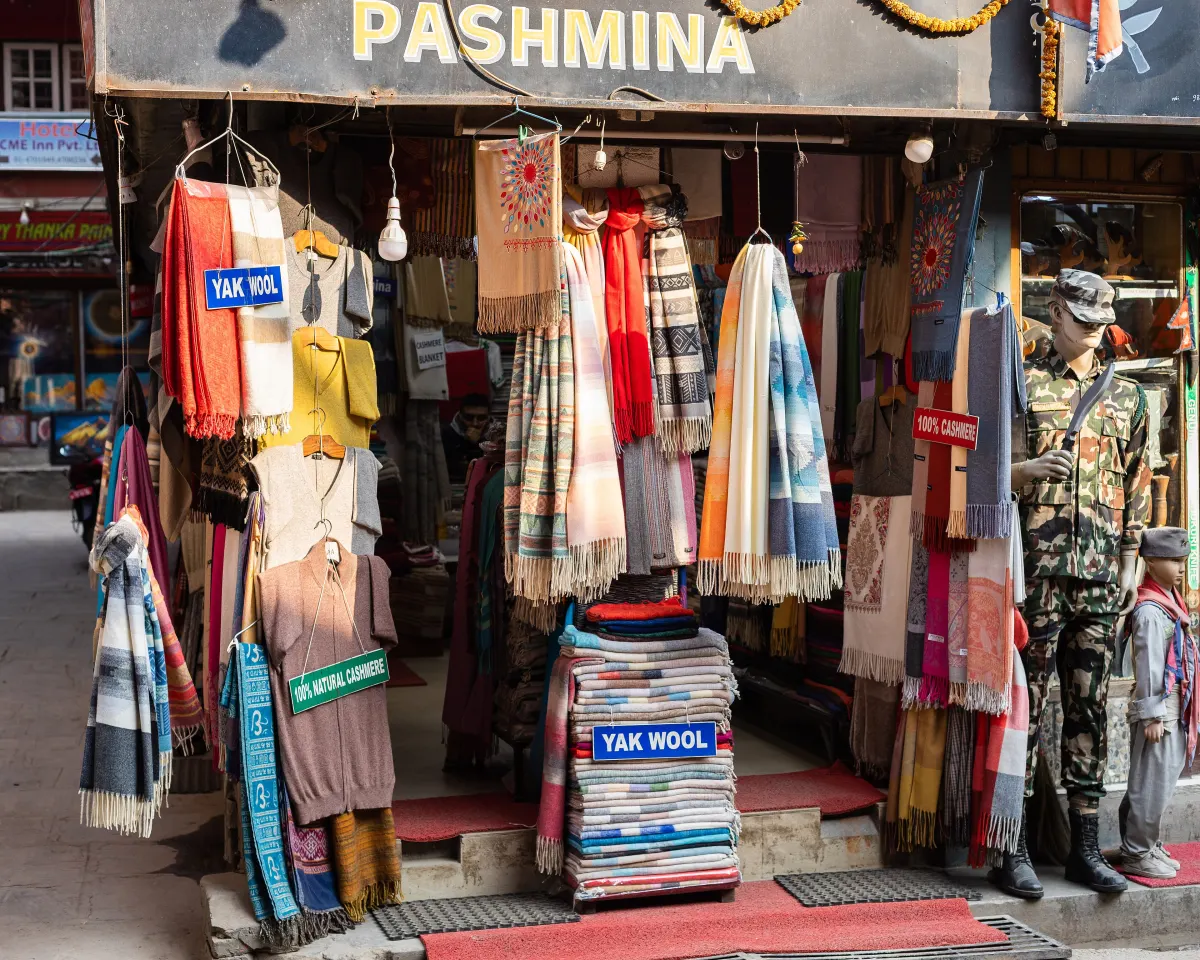
Nepal's currency is the Nepalese rupee (NPR, written Rs). Nepal runs largely on cash, especially once you leave Kathmandu and Pokhara, and on a trek you'll need to carry all the cash you need for days or weeks.
ATMs
- There are plenty of ATMs in Kathmandu (especially Thamel) and Pokhara, and in bigger towns. The UK government warns that they're not reliable outside the main tourist areas.
- The amount you can take out each time is fairly small, and each withdrawal comes with a local fee on top of what your own bank charges, so you may need to make several withdrawals before a trek.
- Use ATMs attached to banks, in daytime, and tell your bank you're travelling. Some ATMs offer to charge you in your own currency: say no, and take the rupees.
Cash on treks
- Teahouses on the trails take cash, almost always rupees, and prices rise the higher you go, as everything is carried up by porters or animals. Hot showers, charging your phone and Wi-Fi often cost extra.
- Work out what you'll need, add a good margin for delays, and take it from Kathmandu or Pokhara. There are a few ATMs on some trails, such as at Lukla and Namche Bazaar in the Everest region, but they can be out of order or out of cash.
- Bring smaller notes: change for 1,000-rupee notes is often short in villages.
- If you've booked a trek through an agency, ask what's included: often food and rooms are, but drinks, snacks, showers and tips aren't.
Cards and changing money
- Bigger hotels, restaurants and shops in Kathmandu and Pokhara take cards, often with a surcharge of a few percent. Elsewhere, expect to pay cash.
- Licensed money changers and banks change US dollars, euros, pounds and other major currencies. Keep your receipts, as you may need them to change rupees back when you leave.
- Nepal's mobile wallets, such as eSewa and Khalti, are used everywhere by Nepalis, but they generally need a Nepali bank account, so they're not much use to visitors.
- Indian rupees are widely used, especially near the Indian border. Indian citizens may bring ₹200 and ₹500 notes printed since 2016 into Nepal, up to a limit (₹25,000 a person at the time of writing); ₹2,000 notes and the old ₹500 and ₹1,000 notes aren't accepted.
Prices, tax and bargaining
- Restaurants and hotels in tourist areas often add a 10% service charge and 13% VAT to the prices on the menu: check the small print.
- Bargaining is normal in markets and souvenir shops in Thamel, Bhaktapur and Pokhara, and for taxis, but not in restaurants or shops with fixed prices. Keep it friendly.
- Foreigners pay more than Nepalis to enter many sites, including Kathmandu, Patan and Bhaktapur's Durbar Squares, Pashupatinath and Swayambhunath. Keep your ticket with you, as it's checked.
Tipping
- Trekking guides and porters expect a tip at the end of the trek, and it's a big part of what they earn. Many agencies suggest a figure; a common rule of thumb is around 10 to 15% of the trek's cost, shared between the team, more for great service. Give it to each person directly, in rupees, at the end.
- Drivers on a private tour, and safari guides in Chitwan, also expect a tip.
- In restaurants that add a service charge, you don't need to tip more; elsewhere, rounding up or leaving 5 to 10% is appreciated.
For what to declare at customs, see Arriving in Nepal. For guides and porters, see Trekking permits and rules.
Comments
No comments yet.