
Altitude sickness in Nepal: how to avoid it, the warning signs, and when to go down
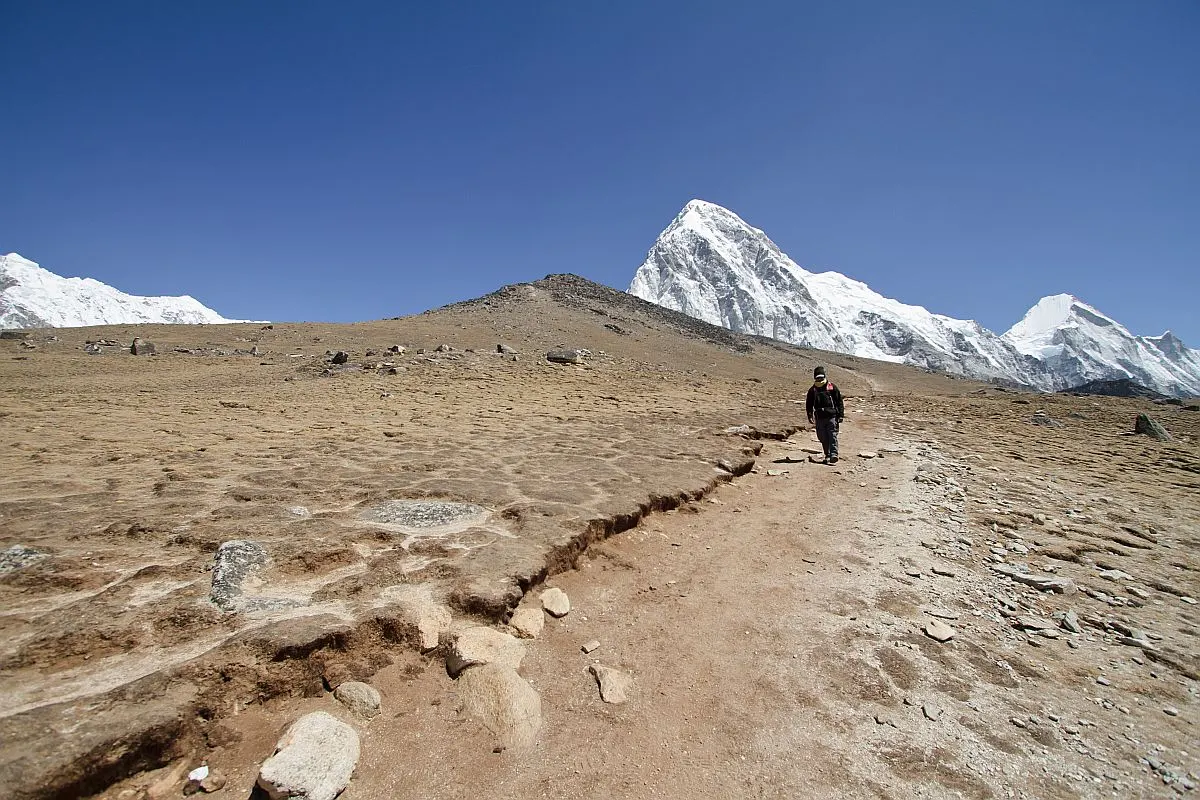
Many of Nepal's most popular treks go far higher than most people have ever been: Everest Base Camp is at 5,364 metres, and the Thorong La pass on the Annapurna Circuit at 5,416 metres. Altitude sickness can affect anyone, however fit, above about 2,500 metres, and every year it kills trekkers in Nepal. It is almost entirely avoidable if you go up slowly, and treatable if you go down.
Go up slowly
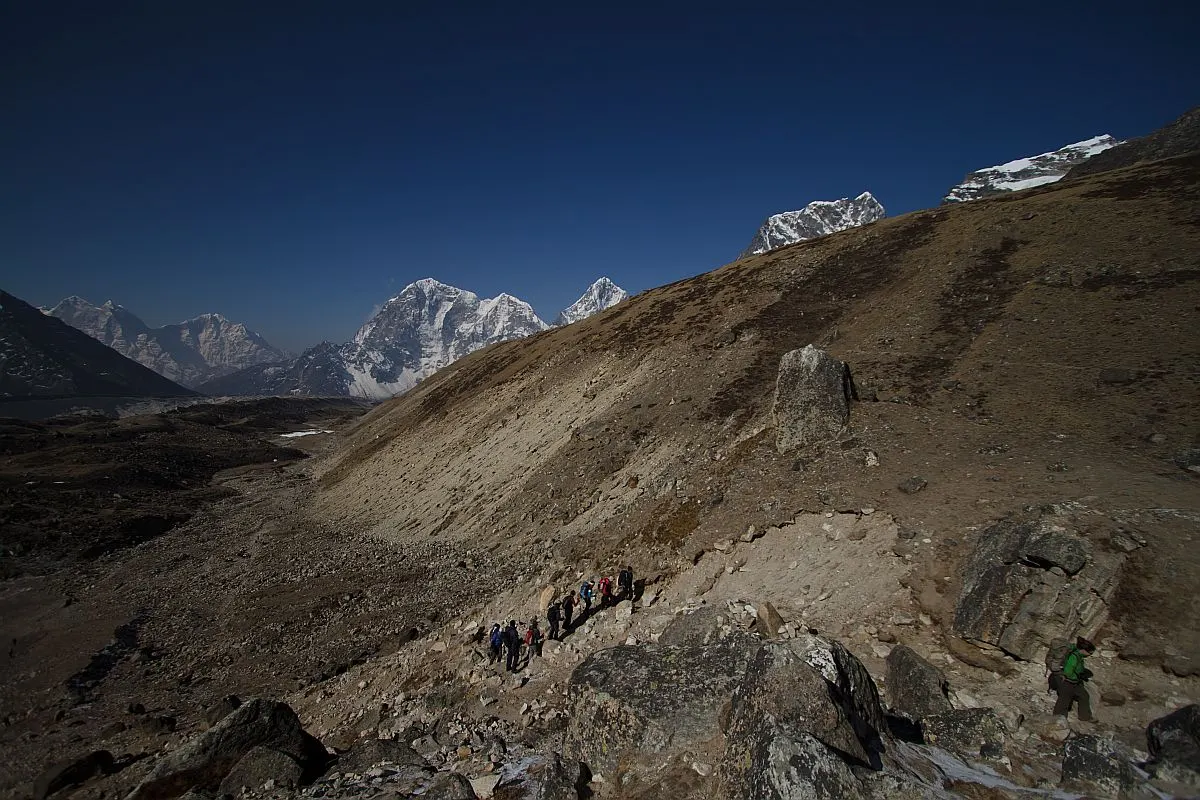
- The usual advice, from mountain medicine experts, is that once you're above about 3,000 metres, you shouldn't sleep more than about 500 metres higher than the night before, and you should take a rest day every three or four days. "Climb high, sleep low": on rest days, walk up a few hundred metres and come back down to sleep.
- Good itineraries build this in. On the Everest Base Camp trek, the standard plan has rest days at Namche Bazaar (3,440 metres) and Dingboche (4,410 metres). Be wary of treks sold as shorter than everyone else's.
- Beware of jumps in height. Flying to Lukla (2,860 metres) or driving up to Manang or Syabrubesi takes you up quickly, so take it easy for the first days.
- Drink plenty, and avoid alcohol and sleeping pills at altitude.
- Build a spare day or two into your plans, so you don't feel you must push on when you feel bad.
The warning signs
- Acute mountain sickness (AMS) feels like a hangover: a headache, with nausea, loss of appetite, tiredness, dizziness or poor sleep. If you have it, don't go any higher until it's gone. If it gets worse, go down.
- High altitude cerebral oedema (HACE), a swelling of the brain, is life-threatening: confusion, a bad headache that painkillers don't help, drowsiness, and stumbling or being unable to walk in a straight line.
- High altitude pulmonary oedema (HAPE), fluid on the lungs, is also life-threatening: being breathless even at rest, a cough, sometimes with pink froth, and tiredness out of all proportion.
- With either, go down at once, even at night, with someone else, and get medical help. Even a few hundred metres lower makes a difference. Never leave someone with symptoms alone, or send them down alone.
- Watch your companions too: people with HACE often don't realise how ill they are, and some people hide their symptoms rather than spoil the trip.
Medicines and help
- Acetazolamide (Diamox) can help prevent altitude sickness and is widely used in Nepal. It's prescription-only in many countries: talk to a doctor or travel clinic before you go about whether it's right for you. It's no substitute for climbing slowly.
- The Himalayan Rescue Association runs aid posts on the main trekking routes, such as at Pheriche in the Everest region and Manang on the Annapurna Circuit, in the main seasons, and gives talks on altitude sickness.
- Pulse oximeters (finger clips that measure oxygen in your blood) are common on treks, but numbers vary a lot between healthy people at altitude: how you feel matters more.
- Serious cases are flown out by helicopter, which can cost thousands of dollars: make sure your insurance covers it, at the height you'll be trekking. See Health and insurance.
- Be wary of a guide who pushes you up too fast, or who suggests a helicopter for mild symptoms: the UK government has warned of guides who arrange unnecessary rescues for a cut.
Cold and sun
High up, nights are well below freezing from autumn to spring, and the sun is fierce. Bring a good sleeping bag, warm layers, a hat and gloves, sunglasses that block UV, and sunscreen with a high factor, and use it.
For more, see the advice from TravelHealthPro or the US CDC, and talk to a doctor before you go if you have heart or lung problems. For the treks, see Trekking permits and rules and the Everest Base Camp trek, day by day.
Comments
No comments yet.