
Trekking permits and rules in Nepal: licensed guides, TIMS cards, park fees and restricted areas
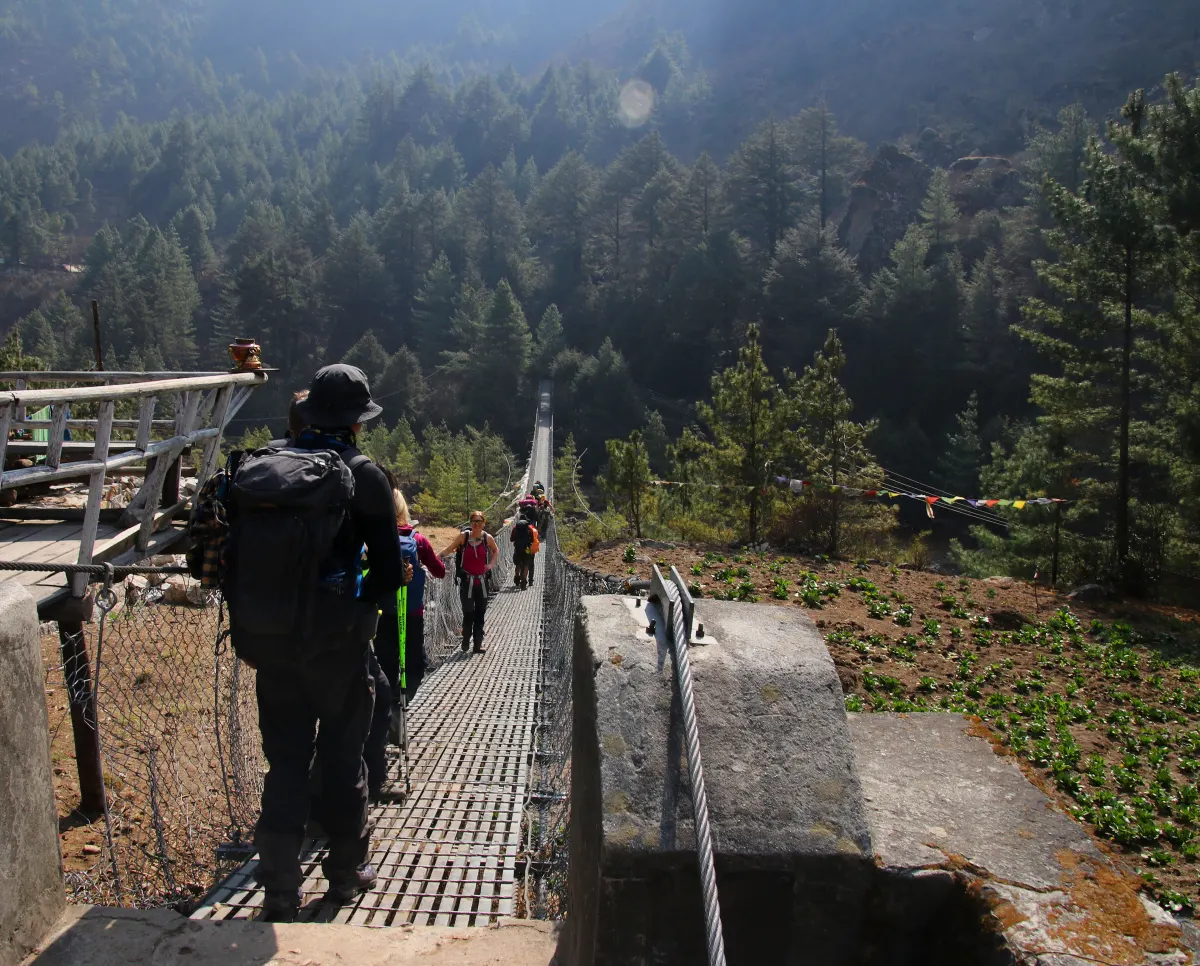
Since 1 April 2023, foreign trekkers in Nepal's main trekking regions have had to trek with a licensed guide, booked through a registered trekking agency. Independent and solo trekking, once very popular, is officially over in most of the places people go. Here's what you need, and how it works in practice.
The guide rule
- Under the revised rules from the Nepal Tourism Board, trekkers in the listed protected areas must be accompanied by a licensed trekking guide and carry a TIMS card issued through a registered agency. The listed routes include the Annapurna Circuit and other Annapurna treks, Langtang and Helambu, Manaslu, Everest, Kanchenjunga, Makalu Barun, Dolpo, Upper Mustang and many more.
- A guide can lead a group, so you don't each need your own. You can hire a porter-guide, or a guide and a porter.
- Checkpoints along the trails check permits. Trekkers found without a guide can be fined or turned back, and the UK government advises: don't trek alone.
- The Everest region is the exception, sort of. The local government in the Khumbu, the Khumbu Pasang Lhamu rural municipality, said in 2023 that it wouldn't enforce the guide rule, and since then many trekkers have walked to Everest Base Camp without a guide. But the Nepal Tourism Board still lists the Everest routes under the rule, and the position could change: ask a licensed agency what's being enforced when you go.
- Short day walks around Pokhara and the Kathmandu Valley, outside the listed areas, don't need a guide.
Even where it's not enforced, a good guide is worth having: they know where the trail has been washed away, which teahouses are open, and how to spot altitude sickness. Trekkers walking alone have gone missing in Nepal, sometimes for good.
The TIMS card
- The TIMS (Trekkers' Information Management System) card registers you and your route. It's now issued online, through a registered trekking agency, as an e-card with a QR code.
- At the time of writing, it costs NPR 2,000 (NPR 1,000 for SAARC citizens).
- In the Everest region, the local municipality's own permit is checked instead of TIMS.
National park and conservation area fees
On top of TIMS, you pay to enter each national park or conservation area. The Nepal Tourism Board lists these fees for foreigners, per entry, at the time of writing (under-10s are free):
- Sagarmatha National Park (Everest): NPR 3,000 (SAARC citizens NPR 1,500). In the Everest region you also pay the Khumbu Pasang Lhamu municipality's own fee, collected at Lukla or Monjo, reported to be NPR 3,000.
- Annapurna Conservation Area (ACAP): NPR 3,000 (SAARC NPR 1,000). Individuals can apply online at epermit.ntnc.org.np, or get it in Kathmandu or Pokhara.
- Langtang National Park: NPR 3,000 (SAARC NPR 1,500).
- Manaslu Conservation Area: NPR 3,000 (SAARC NPR 1,000).
- Kanchenjunga Conservation Area: NPR 2,000; Makalu Barun National Park: NPR 3,000.
Carry your permits where you can reach them: you'll show them several times a day on some routes.
Restricted areas
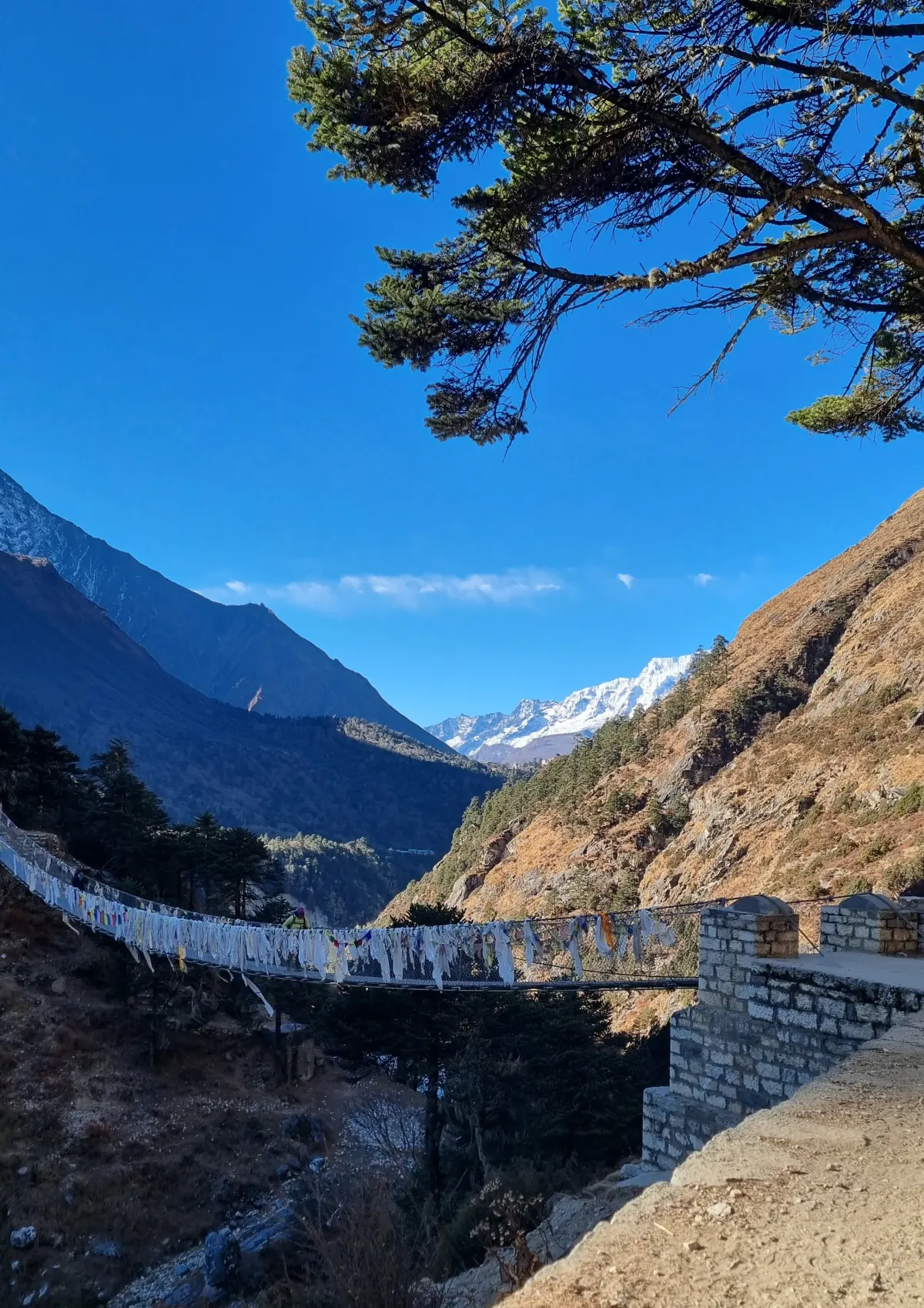
- Some areas near the Tibetan border, including Upper Mustang, Upper Dolpo, Manaslu, the Tsum Valley, Nar and Phu, and parts of Humla and Kanchenjunga, need a restricted area permit from the Department of Immigration, which only a registered agency can apply for, with a licensed guide.
- These permits are expensive. At the time of writing, the Nepal Tourism Board lists Upper Mustang at US$50 a person a day, and Manaslu at US$100 a person for the first week in the autumn season (less in other months), plus the conservation area fees.
- These permits used to require at least two trekkers; recent reports say a single trekker with a guide can now get one, but check with your agency.
Hiring guides and porters
- Book through an agency registered with the Nepal Tourism Board, and ask to see your guide's licence. Be wary of very cheap deals: the UK government has warned of guides taking trekkers up too fast and calling in expensive helicopter rescues they get a cut of. See Safety in Nepal.
- Agencies should insure their guides and porters, and make sure porters have warm clothes, proper shoes and sunglasses for the high passes, and somewhere warm to sleep. Ask.
- Don't overload porters: agree a weight limit and pack light.
- Tip your guide and porters at the end of the trek. See Money in Nepal.
Climbing peaks
Trekking peaks such as Island Peak and Mera Peak need a climbing permit, arranged by an agency, and mountaineering experience. The big mountains, including Everest, need expedition permits from the government, which are far more expensive.
The rules and fees change, and enforcement varies from region to region, so check with the Nepal Tourism Board and a registered agency before you go. For the treks themselves, see Everest Base Camp, the Annapurna Circuit and Poon Hill, the Langtang Valley and the Gokyo Lakes, and for altitude, see Altitude sickness.

Everest Base Camp Trek
The classic trek to the foot of the world's highest mountain, about 12 to 14 days return from Lukla, through Sherpa villages such as Namche Bazaar, p…

Annapurna Circuit and Poon Hill
The Annapurna region offers treks of every length.
Langtang Valley trek
A week-long trek up the Langtang Valley, close to Kathmandu, through forest and Tamang villages to Kyanjin Gompa, a monastery below glaciers and the …
Comments
No comments yet.