
Safety in Nepal: protests and strikes, earthquakes, landslides, trekking alone, scams and the law
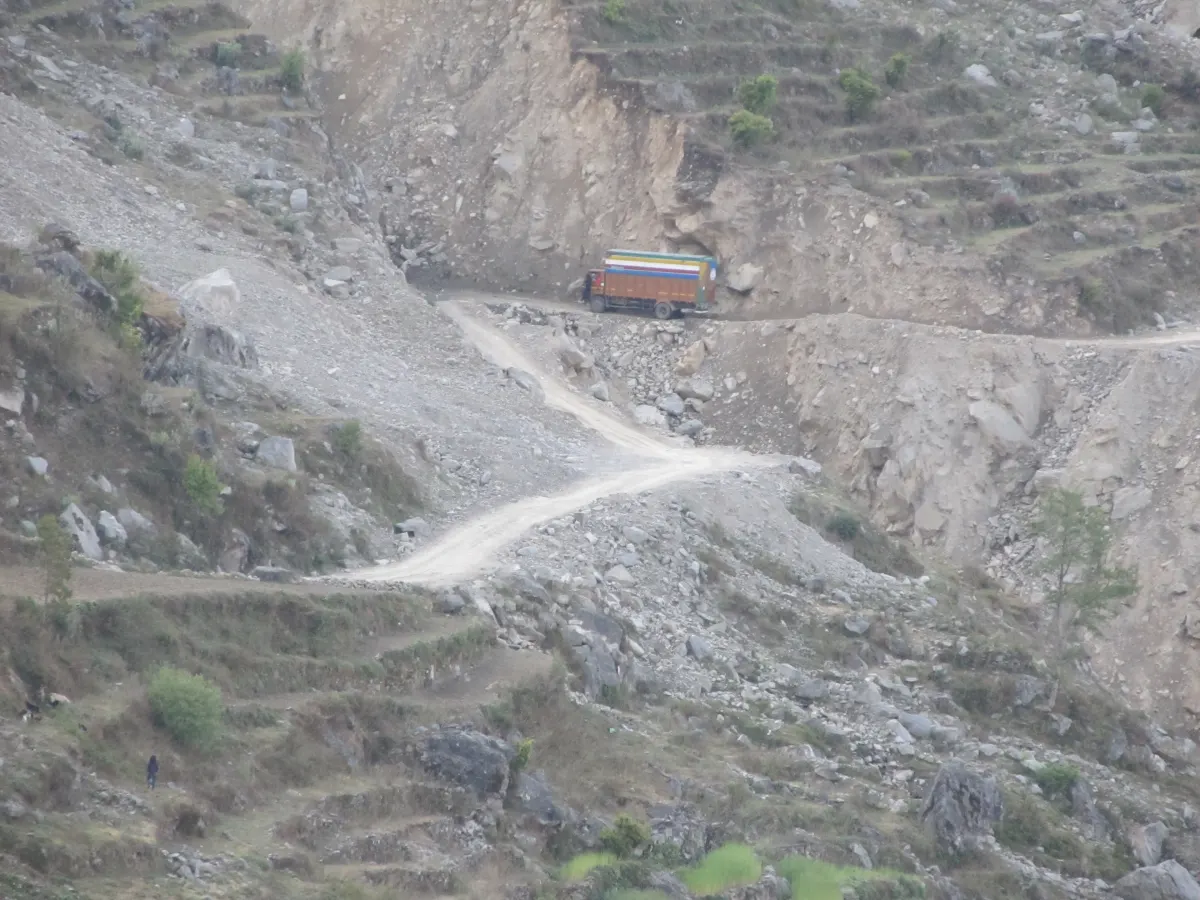
Nepal is generally a safe and very friendly country to travel in, with little serious crime against visitors. The bigger risks come from the land itself, mountains, earthquakes, landslides, and the roads, and from politics, which can spill onto the streets.
Protests and strikes
- Political protests, demonstrations and strikes are common in Nepal, can start at short notice and can turn violent, and curfews are sometimes imposed. In September 2025, youth-led protests against corruption and a social media ban were met with gunfire; more than 70 people were killed, parliament and other buildings were burned, and the government fell. An election in March 2026 brought a new government.
- General strikes, called bandhs, can shut shops and stop traffic for a day or more.
- Stay away from demonstrations, follow local news and your hotel's advice, and keep a few days' cash and supplies when things are tense.
Earthquakes
- Nepal lies where the Indian plate pushes under Asia, and has many earthquakes. In April 2015, a magnitude 7.8 earthquake killed about 9,000 people, destroyed temples in the Kathmandu Valley and set off avalanches in the mountains.
- Know what to do: drop, cover and hold on under a sturdy table, away from windows; if you're outside, get away from buildings, walls and power lines. In the mountains, watch for landslides and rockfall afterwards.
- Note your hotel's exits, and keep a torch, water and some cash handy.
Monsoon floods and landslides
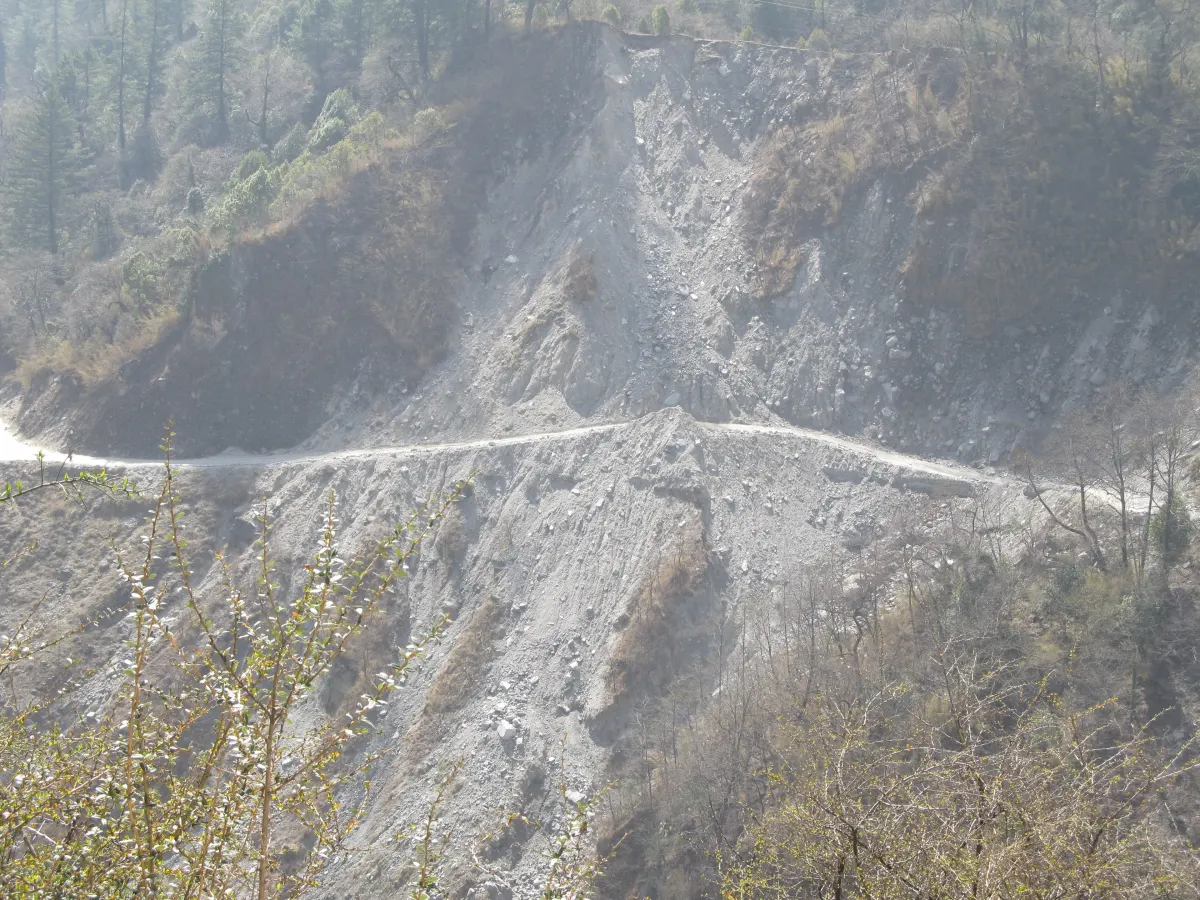
- In the monsoon, roughly June to September, floods and landslides block roads and cut off towns for days, and can sweep away buses and houses. In August 2026, a flash flood in Rasuwa district, on the road to Langtang and the Tibetan border, damaged roads and communications.
- Check that roads are open before you travel, and in heavy rain, don't camp or stay near rivers.
- Glacial lakes sometimes burst in the high mountains, sending floods down valleys such as the Khumbu. Follow local warnings.
Roads and flights
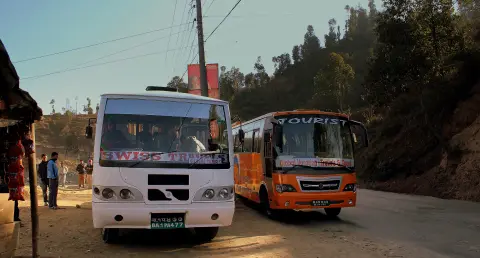
- Bus crashes are common, and many people die on Nepal's roads each year. Avoid overloaded buses and travelling at night, and wear a helmet on a motorbike.
- Nepal's domestic flights have a poor safety record: all Nepali airlines are on the UK and EU air safety lists. See Getting around.
Trekking
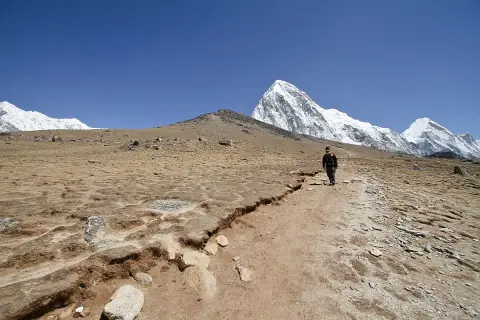
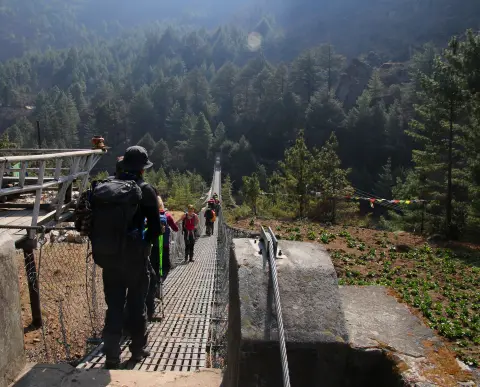
- Don't trek alone. Trekkers have died or disappeared after falls, getting lost or altitude sickness, and in the main trekking regions you must now have a licensed guide. See Trekking permits and rules and Altitude sickness.
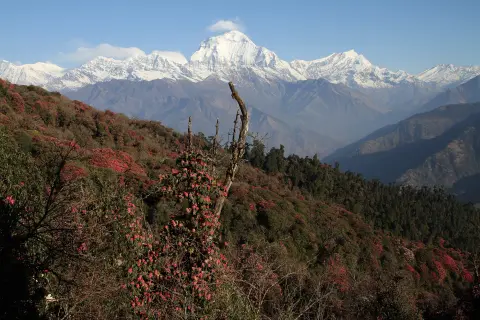
- Avalanches, rockfall and sudden snowstorms are real risks high up. Listen to local advice, and turn back if the weather turns.
- On trails used by yaks and mules, stand on the uphill side when they pass, never the drop side.
- Helicopter rescue scams: the UK government has warned of guides taking trekkers up too fast and then calling in expensive helicopter evacuations, with a cut for themselves, and insurers have found fraudulent claims. Book a reputable agency, be wary of very cheap deals, and ask to speak to your insurer before a non-urgent rescue.
Wildlife
Rhinos, wild elephants, sloth bears and tigers in Chitwan and Bardia can kill, and people have been hurt on walking safaris. Go only with licensed guides, and follow their instructions. Monkeys at Swayambhunath and Pashupatinath grab food and bags: don't feed them, and keep away if they're aggressive.
Crime and scams
- Pickpockets and bag-snatchers work in crowds, on buses, at the airport and in Thamel. Keep valuables out of sight.
- There have been reports of sexual assaults on women in Thamel. Don't accept drinks from strangers or leave yours unattended, as drinks have been spiked, and get urgent medical help if you feel very ill after drinking spirits, which can contain methanol.
- Common scams include fake trekking agencies and guides without licences, people collecting money for a "school" or "orphanage", "free" milk powder you're asked to buy for a baby (which goes back to the shop), and gems to resell at home.
The law
- Drugs: even small amounts of cannabis can mean more than five years in prison, though it's offered openly in Thamel.
- Killing a cow, trying to convert people to another religion, and flying a drone without permission are all against the law. See Culture and etiquette.
- Same-sex relationships are not illegal in Nepal, but public displays of affection by anyone are frowned upon.
Emergency numbers
- Police: 100. Tourist Police: 1144 (English spoken), with offices in Kathmandu, including Thamel, and Pokhara.
- Ambulance: 102; fire: 101. There's no national ambulance service, so in a medical emergency it's often quicker to call the nearest hospital or take a taxi.
Read your government's travel advice before you go: the UK's, the USA's or Australia's. For health, see Health and insurance.
Comments
No comments yet.