
When to go to Nepal: the trekking seasons, the monsoon and the weather
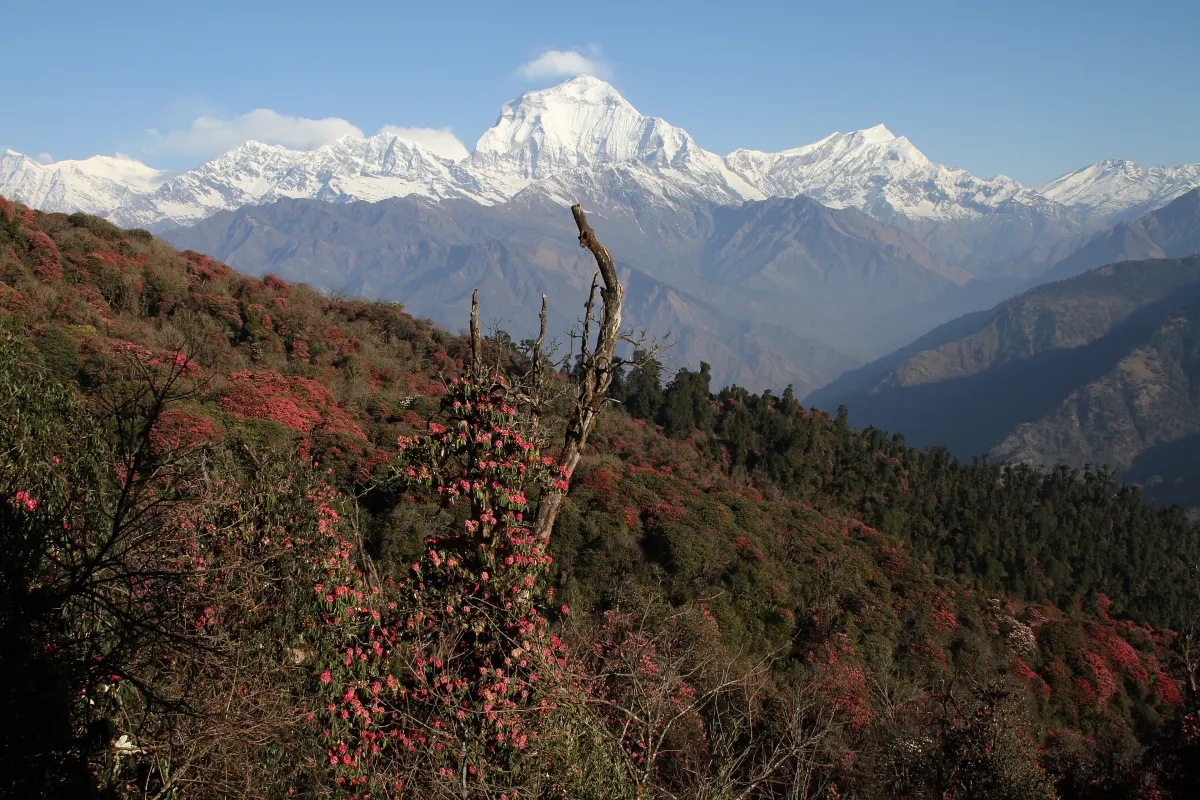
Nepal's weather is ruled by the monsoon, which brings rain from about June to September, and by altitude: in a few days you can go from the steamy lowlands of the Terai, near India, to snow and ice. The two main trekking seasons are autumn and spring.
Autumn: October and November
- The best time for most treks: after the monsoon, the air is clear, the mountain views are sharp, and days are warm and dry, though nights high up are cold.
- It's also the busiest season. Teahouses on the Everest and Annapurna trails fill up, and flights to Lukla are in demand. Book flights early, and expect company on the trail.
- Late monsoon rains or storms can still hit in early October, and cyclones from the Bay of Bengal sometimes bring sudden heavy snow to the high passes, as in October 2014, when dozens of trekkers and guides died on the Annapurna Circuit. Watch the forecast before crossing a high pass.
- Nepal's biggest festivals, Dashain and Tihar, fall in autumn. Buses and flights are packed as people go home, and offices close. See Culture and etiquette.
Spring: March to May
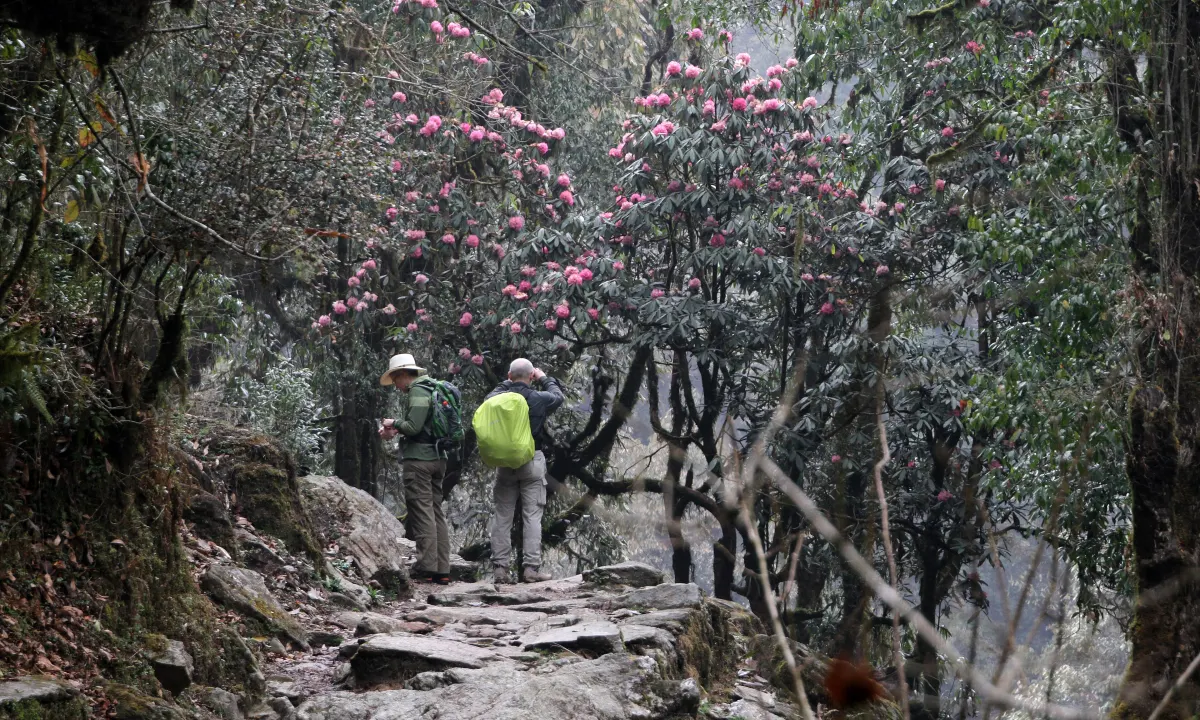
- The second trekking season: warmer, with rhododendrons flowering in the forests in March and April, but hazier, with clouds building in the afternoons. Kathmandu's air pollution is often bad in spring before the rains.
- It's the climbing season on Everest, so Everest Base Camp is busy with expeditions.
- The lowlands get very hot in April and May, often over 40°C in the Terai.
Winter: December to February
- Clear and dry, with fewer people, and good for lower treks, such as Poon Hill, and for Kathmandu, Pokhara and Chitwan.
- High up it's very cold, and snow can close high passes such as the Thorong La and the passes on the Everest Three Passes trek, sometimes for days. Some high teahouses close.
- Mornings in the Kathmandu Valley and the Terai are often foggy, which can delay flights.
The monsoon: about June to September
- Rain most days, often heavy in the afternoons and at night, with clouds hiding the mountains. The monsoon usually arrives in June and ends in late September or early October.
- Landslides and floods block roads, sometimes for days, and cut off villages. Mountain flights, including to Lukla, are often cancelled.
- Trails are muddy and full of leeches at lower levels.
- Some areas lie in the rain shadow behind the Himalaya and stay fairly dry: Upper Mustang, Dolpo (including Phoksundo Lake), and the upper part of the Annapurna Circuit around Manang. These are the best treks in summer.
- In return, the hills are green, the rice fields are full, and there are fewer people and lower prices.
Where to go, month by month
- Kathmandu Valley: all year; best October to April.
- Pokhara: best October to April, when the Annapurnas are visible from the lake. It's one of the wettest places in Nepal in the monsoon.
- Chitwan and Bardia: best October to March, before the heat. Grass is cut in January and February, which makes animals easier to see.
- High treks: October and November, then March to May.
Check the forecast from Nepal's Department of Hydrology and Meteorology before you set off, and in the monsoon, check that the road is open. See Safety in Nepal for floods and landslides, and Getting around for flights.
Comments
No comments yet.