
Health and safety in Malaysia: dengue, sun and heat, jungle leeches and petty crime
Malaysia is one of the safer and healthier countries in Southeast Asia to travel in, with good private hospitals in the cities. The things that trouble visitors most are the heat, mosquitoes and the odd bag snatch. Here's how to avoid them.
Insurance and hospitals
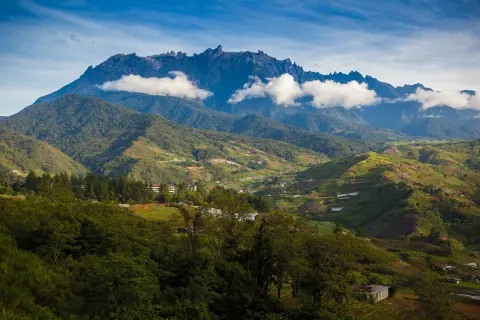
- Take out travel insurance that covers medical treatment and evacuation, and any diving, trekking or climbing you plan, such as Mount Kinabalu.
- Private hospitals in KL, Penang, Johor Bahru, Kota Kinabalu and Kuching are good, with English-speaking doctors, but expensive. Government hospitals also charge foreigners. Clinics and pharmacies are easy to find in towns.
- See a travel clinic or your doctor about vaccinations at least eight weeks before you go.
Dengue and mosquitoes
- Dengue fever is common in Malaysia all year, in cities as well as the countryside, with outbreaks after the rains. It's spread by Aedes mosquitoes, which bite in the daytime, especially early morning and late afternoon. There's no simple treatment.
- Use a strong insect repellent (with DEET, picaridin or similar) during the day as well as at night, wear long sleeves and trousers at dawn and dusk, and sleep in air conditioning or under a net.
- If you get a high fever, severe headache, pain behind the eyes, aching muscles or a rash, see a doctor and ask for a dengue test. Take paracetamol rather than ibuprofen or aspirin until dengue is ruled out.
- Malaria is rare in the towns and tourist areas, but there's some risk in remote forest in Sabah and Sarawak and the interior of the peninsula: ask a travel clinic whether you need tablets for your trip.
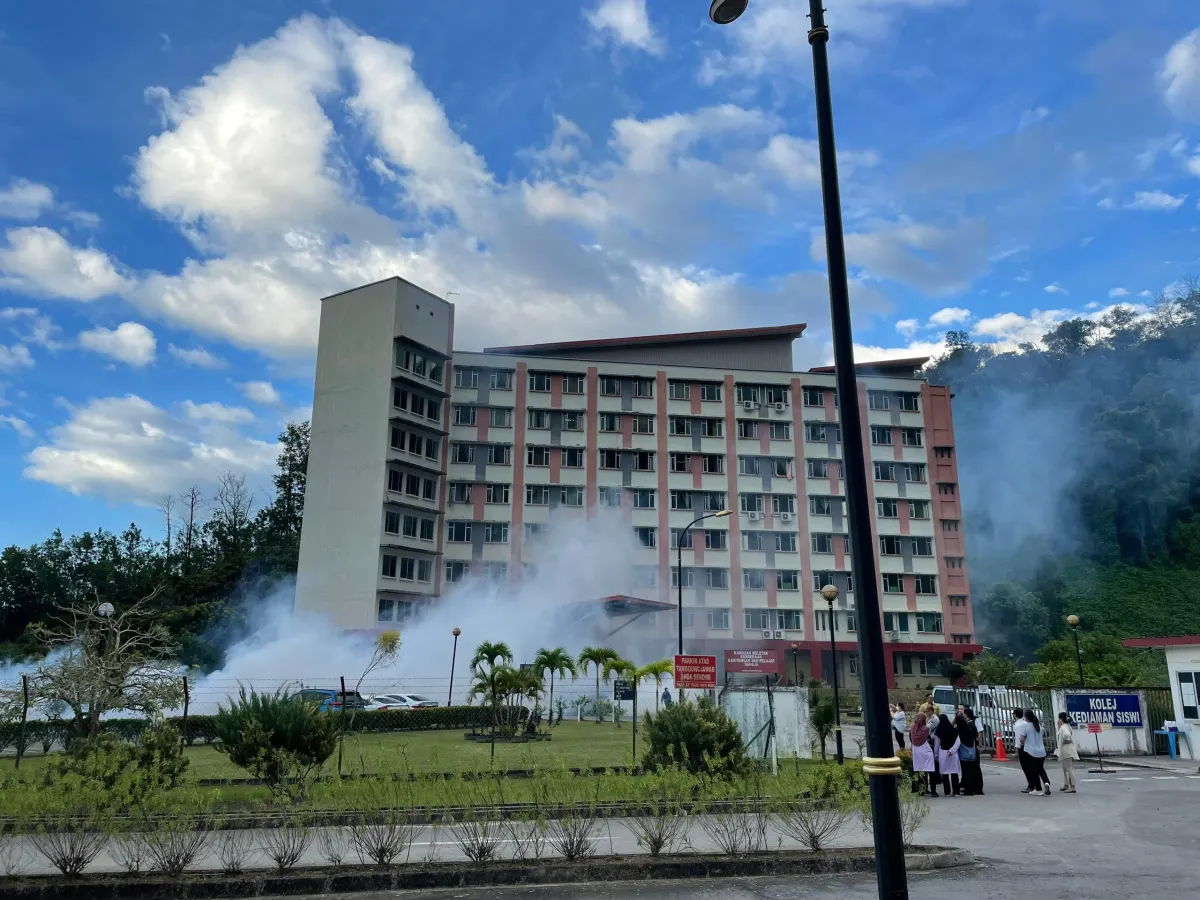
- You'll see council workers fogging streets and drains with insecticide to kill mosquitoes. Keep out of the smoke.
Sun, heat and the haze
- The sun is strong all year, even when it's cloudy. Use high-factor sunscreen, a hat and sunglasses, and cover up on boats and when snorkelling.
- Drink plenty of water, walk in the shade, and slow down in the middle of the day: heat exhaustion is easy to get in the humidity, especially when trekking.
- From about June to October, the haze can make the air unhealthy. Check the Air Pollutant Index and wear a mask if it's high: see Weather.
The forest: leeches, monkeys and other animals
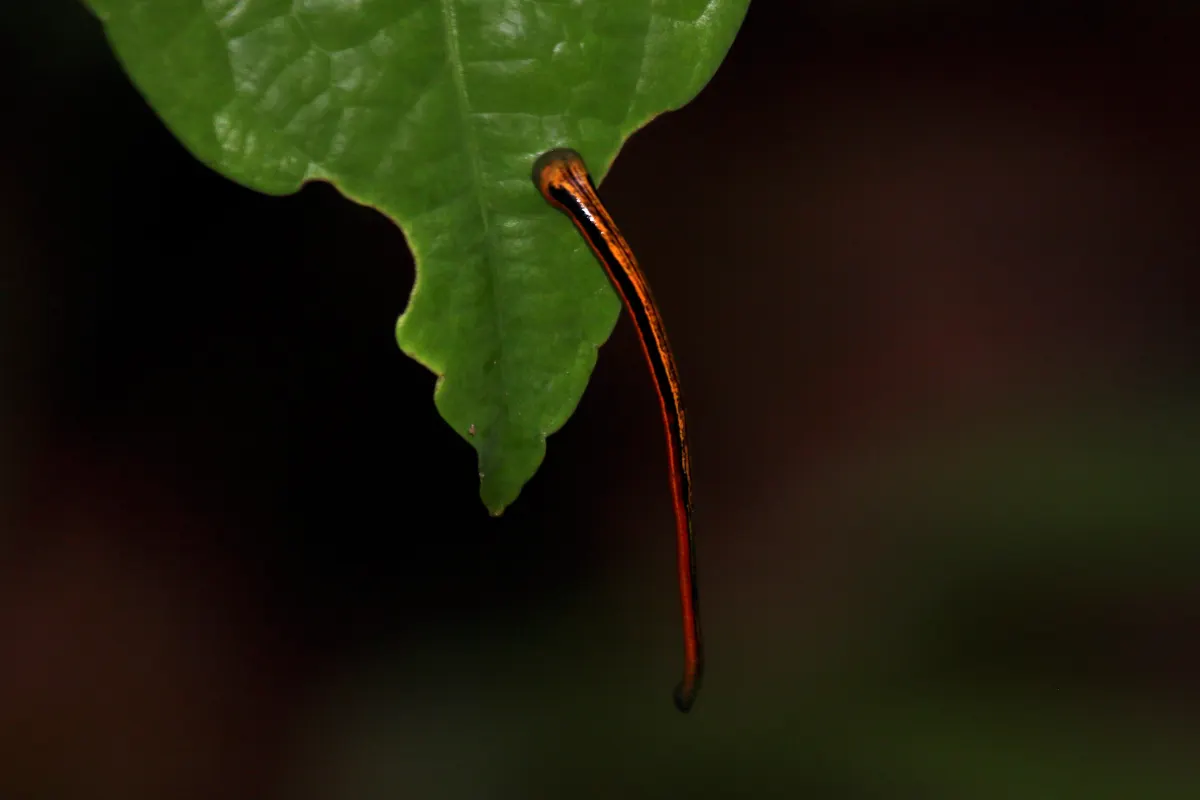
- Leeches live on the forest floor in places such as Taman Negara, Endau-Rompin, Danum Valley and the Cameron Highlands, especially after rain. Their bites don't hurt or carry disease, but bleed for a while. Wear leech socks over your trousers, tuck your trousers in, and use repellent on your boots. If one bites, let it drop off, or flick it off sideways, and don't pull it: it can leave a wound that gets infected.
- Macaques at places such as Batu Caves and Penang National Park grab bags, food and drink. Don't feed them, keep food out of sight, and don't stare or show your teeth. Rabies is found in Sarawak and some northern states, so if any animal bites or scratches you, wash the wound and get medical help the same day.
- Stay on the trails, use a guide for jungle walks, and look before you put your hand anywhere: snakes and scorpions live in the forest. In the sea, jellyfish can sting, and some are dangerous: use vinegar and get help if you're stung badly.
- For Mount Kinabalu, altitude sickness is a risk: see Malaysian Borneo.
Food and water
- Food in Malaysia is generally safe. Eat at busy stalls where the food is cooked fresh, and wash your hands or use sanitiser before eating.
- Most visitors drink bottled or filtered water. See Food and drink.
Petty crime
- Bag snatching by thieves on motorbikes happens in the cities, and people have been hurt when they were dragged along. Carry your bag on the side away from the road, across your body, and walk facing the traffic. Don't hold your phone out at the kerb.
- Watch out for pickpockets in crowds, on trains and at markets, and keep valuables in your hotel safe.
- Card and ATM fraud is common: keep your card in sight, and check your statements.
- Drinks have been spiked in bars, followed by robbery or assault, and fake spirits can contain deadly methanol. Don't leave your drink, and don't accept drinks from strangers. Don't open your hotel door to people you don't know.
- Use Grab or official taxis, especially at night. If something is stolen, get a police report for your insurance.
Roads, buses and boats
- Motorbikes don't always stop at crossings or red lights. Look both ways, even on one-way streets.
- If you rent a motorbike, wear a helmet (it's the law) and check that your licence and insurance cover you. See Getting around.
- Choose a reputable bus company for overnight journeys, and a licensed boat with life jackets: see Islands and beaches.
- During the monsoon, floods and landslides can close roads, especially on the east coast and in the hills.
Kidnapping and terrorism
- Groups from the southern Philippines have kidnapped foreigners off the east coast of Sabah. The UK government advises against all but essential travel to the islands and dive sites off eastern Sabah, from Sandakan to Tawau. See Malaysian Borneo.
- As in many countries, terrorist attacks can't be ruled out. Follow local news and the advice of the authorities.
Emergency numbers
- 999: police and ambulance. 994: fire and rescue. From a mobile, you can also call 112.
- Save your embassy's number and your insurer's emergency line in your phone before you go.
See also: Malaysian laws visitors should know, and your government's travel advice for Malaysia.

Comments
No comments yet.