
Malaysian Borneo: Sabah and Sarawak, Mount Kinabalu, orangutans and Sipadan
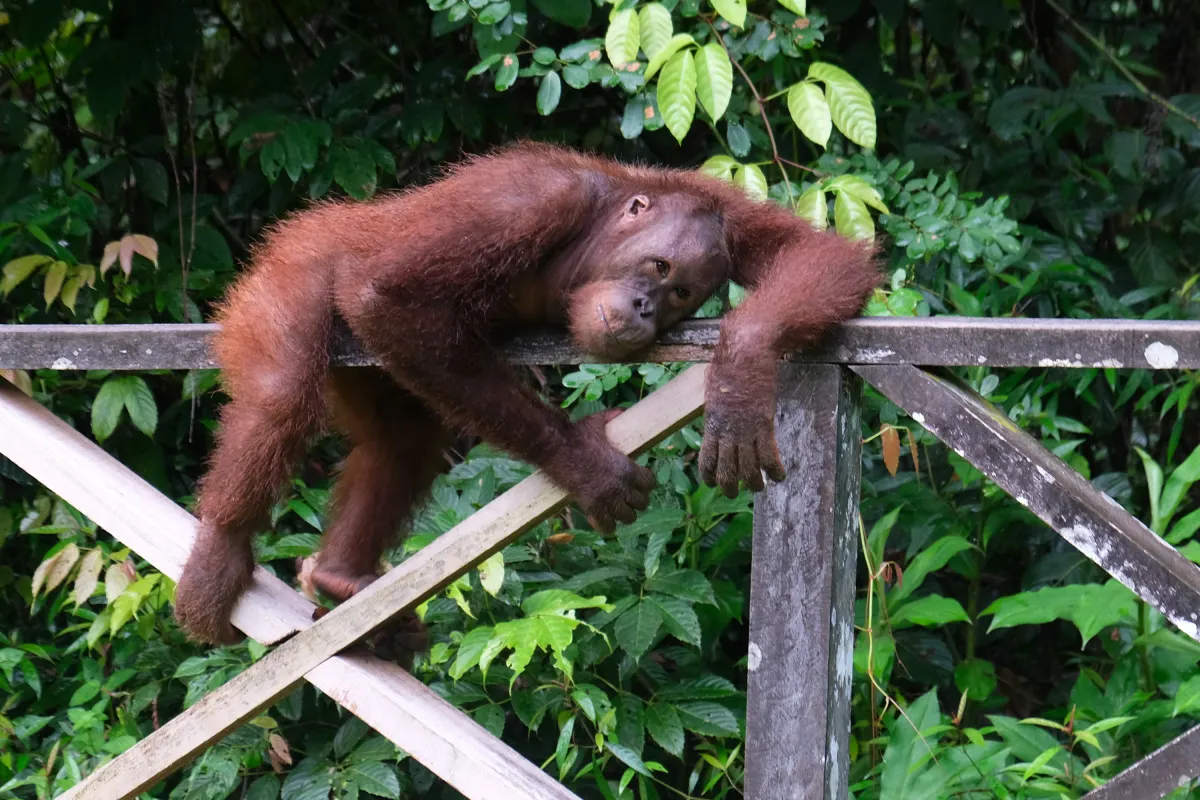
Sabah and Sarawak, the two Malaysian states on the island of Borneo, are wilder and less visited than the peninsula. They have some of the oldest rainforest in the world, orangutans, proboscis monkeys and pygmy elephants, the highest mountain between the Himalayas and New Guinea, vast caves, and Sipadan's reefs. Most things need booking ahead, especially climbing Kinabalu and diving at Sipadan.
Getting there
- Fly from KL (or Johor Bahru, Penang, Singapore and other Asian cities) to Kota Kinabalu (Sabah), Kuching or Miri (Sarawak). From KL it's about two and a half hours to Kota Kinabalu and under two hours to Kuching.
- Sabah and Sarawak control their own immigration, so you go through passport control again when you arrive, and between the two states: take your passport. See Arriving in Malaysia.
- Distances are long and roads slower than on the peninsula. Fly between Kota Kinabalu, Sandakan, Tawau, Miri, Mulu and Kuching, and use buses, tour minibuses or a hire car in between.
Mount Kinabalu
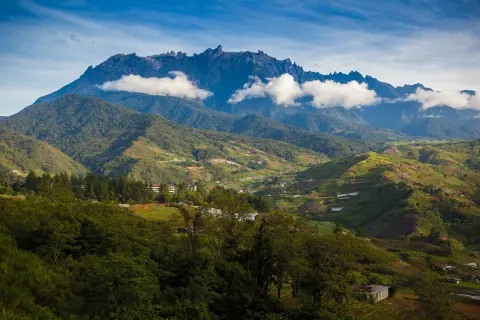
- At 4,095 metres, Mount Kinabalu is Malaysia's highest mountain, in Kinabalu Park, a UNESCO World Heritage Site about two hours by road from Kota Kinabalu. The climb needs no technical skill, but it's long, steep and cold at the top, and altitude sickness is possible.
- You must book: climbers stay a night on the mountain, at Panalaban, about 3,300 metres up, and the number of beds limits how many people can climb each day. Sabah Parks sells climbing packages online on its reservation site, with a night in a mountain hostel, meals, the climbing permit and insurance. Bookings for each year open months ahead and the popular dates sell out, so book as early as you can. Bookings for 2027 hadn't opened by September 2026: check the site.
- A mountain guide must go with you, one for every five climbers, paid at the park on the day. Porters can carry your bag, charged by the kilo. Foreign climbers also pay a permit fee (RM400 for an adult in 2026) and a conservation fee.
- The usual climb: register at park headquarters in the early morning, climb about 6 km from Timpohon Gate to Panalaban, eat dinner at Laban Rata and sleep early. Set off at about 2 a.m. to reach Low's Peak for sunrise, then come back down for breakfast and walk all the way down to the gate the same afternoon.
- Sabah Parks advises people with heart disease, high blood pressure, asthma, diabetes, epilepsy and some other conditions not to climb. Train beforehand, and bring warm clothes, gloves, a waterproof and a head torch.
- If you can't get a permit, the trails around park headquarters and the views from Kundasang are still worth a visit.
Orangutans and wildlife
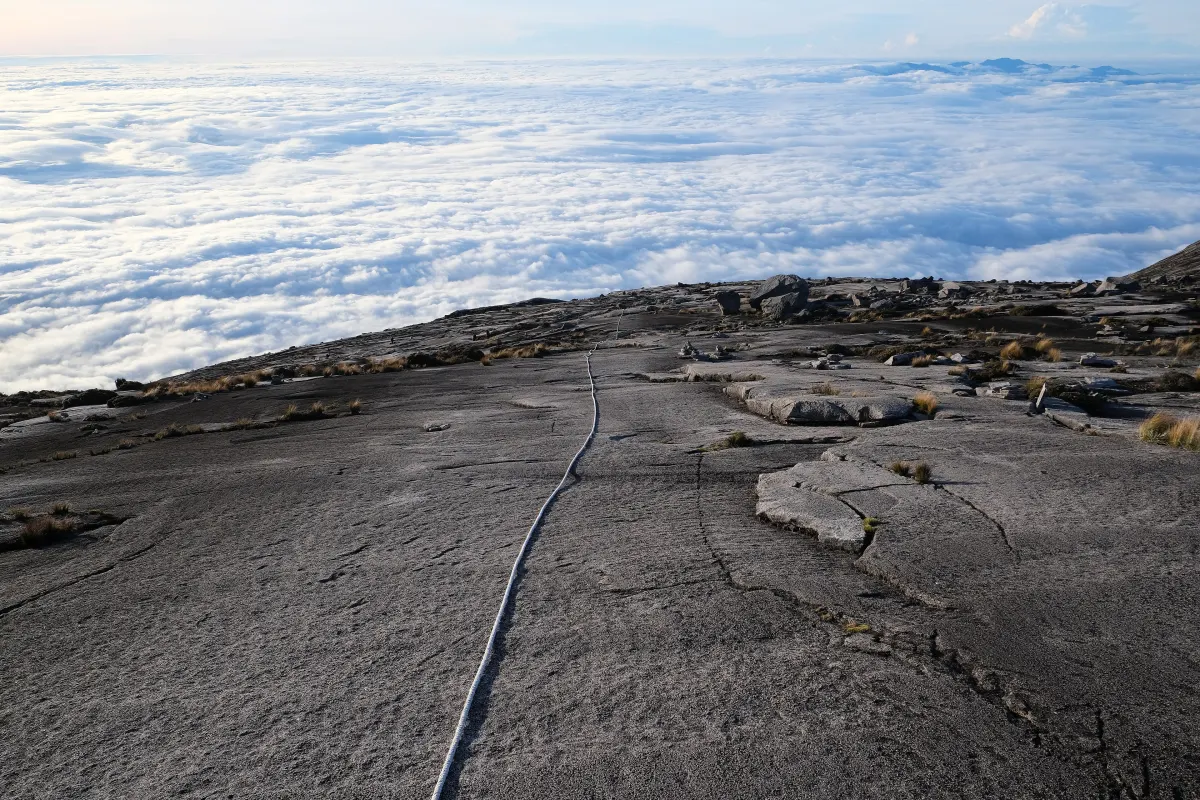
- Sepilok Orangutan Rehabilitation Centre, near Sandakan, cares for orphaned orangutans and returns them to the forest. Visitors watch them come to the feeding platform, usually at about 10 a.m. and 3 p.m. They're free to come and go, so in the fruiting season, when the forest has plenty of food, few may turn up. The Bornean Sun Bear Conservation Centre and the Rainforest Discovery Centre are next door.
- The Kinabatangan River, a couple of hours from Sandakan, is the best place in Malaysia to see wildlife: proboscis monkeys, macaques, hornbills, crocodiles, often wild orangutans and sometimes pygmy elephants, on early morning and evening boat trips from riverside lodges.
- Danum Valley and Tabin, deeper in the forest, have more remote lodges for serious wildlife watchers.
- In Sarawak, the orangutans at Semenggoh Wildlife Centre, near Kuching, are fed in the morning and afternoon, and Bako National Park, reached by boat from Kampung Bako, is the easiest place to see proboscis monkeys.
- Keep your distance, don't feed or touch the animals, and stay away if you have a cold or other illness, which orangutans can catch. Never pay to hold or have your photo taken with a wild animal.

Sepilok Orangutan Rehabilitation Centre
A centre in Sabah where orphaned orangutans are raised and returned to the forest.
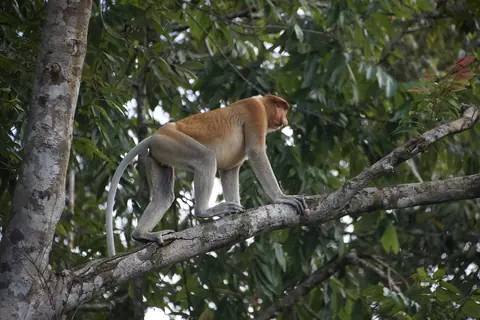
Kinabatangan River, Sabah
Malaysia's second-longest river, winding through forest and oxbow lakes in eastern Sabah, one of the best places in South-East Asia to see wildlife.
Diving at Sipadan
- Sipadan, off Semporna, is famous for turtles, barracuda, reef sharks and a wall that drops into deep water. It's a protected park, so no one stays on the island, and divers need a permit from Sabah Parks. Only a limited number are issued each day, shared out among licensed dive operators in Semporna and on Mabul, so book through a dive operator months ahead. There's a conservation fee and a diving fee for each visit.
- Before you go: the UK government advises against all but essential travel to all the islands and dive sites off the east coast of Sabah, from Sandakan to Tawau, including Sipadan, Mabul and Lankayan, because of the risk of kidnapping by groups from the southern Philippines. Other governments give similar advice. This doesn't apply to the mainland, including Sepilok and the Kinabatangan. Travelling against your government's advice can invalidate your travel insurance.
Sarawak
- Kuching, Sarawak's capital, is a relaxed riverside city, with the Borneo Cultures Museum, good food and easy trips to Bako, Semenggoh and the Bidayuh villages in the hills.
- Gunung Mulu National Park, a UNESCO World Heritage Site, has some of the largest caves on Earth, the razor-sharp limestone Pinnacles, and millions of bats leaving Deer Cave at dusk. You can only realistically get there by air, from Miri, Kuching or Kota Kinabalu. Foreigners need a park entry pass, the show caves are visited with park guides, and you should book your room and guided trips ahead, especially from June to September.
- You can stay in an Iban longhouse on the rivers inland, but go with a guide or tour arranged with the community.
- Sarawak's biggest festival is Gawai, the harvest festival, on 1 and 2 June; Sabah's is Kaamatan, at the end of May.
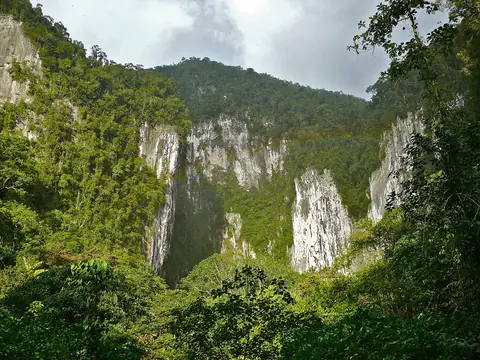
Gunung Mulu National Park
A World Heritage park of rainforest and huge limestone caves in Sarawak.
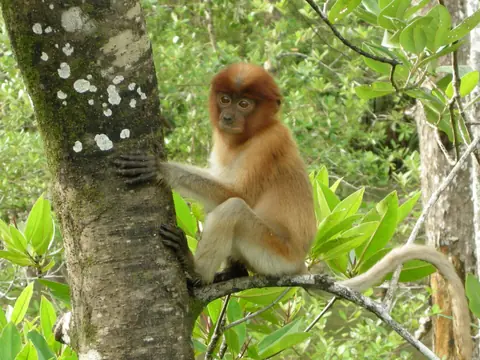
Bako National Park, Sarawak
Sarawak's oldest national park, on a peninsula of sandstone cliffs, beaches and forest, one of the best places in Borneo to see wild proboscis monkey…
Practical tips
- Bring repellent, long sleeves and leech socks for the forest: see Health and safety. Malaria is rare, but there is some risk in remote forest: ask a travel clinic.
- Take enough cash for lodges and boats, and expect mobile coverage to drop out in the forest.
- See the week in Sabah itinerary.



Comments
No comments yet.