
Culture, religion and etiquette in Malaysia: mosques, Ramadan, festivals and the Malay, Chinese and Indian mix
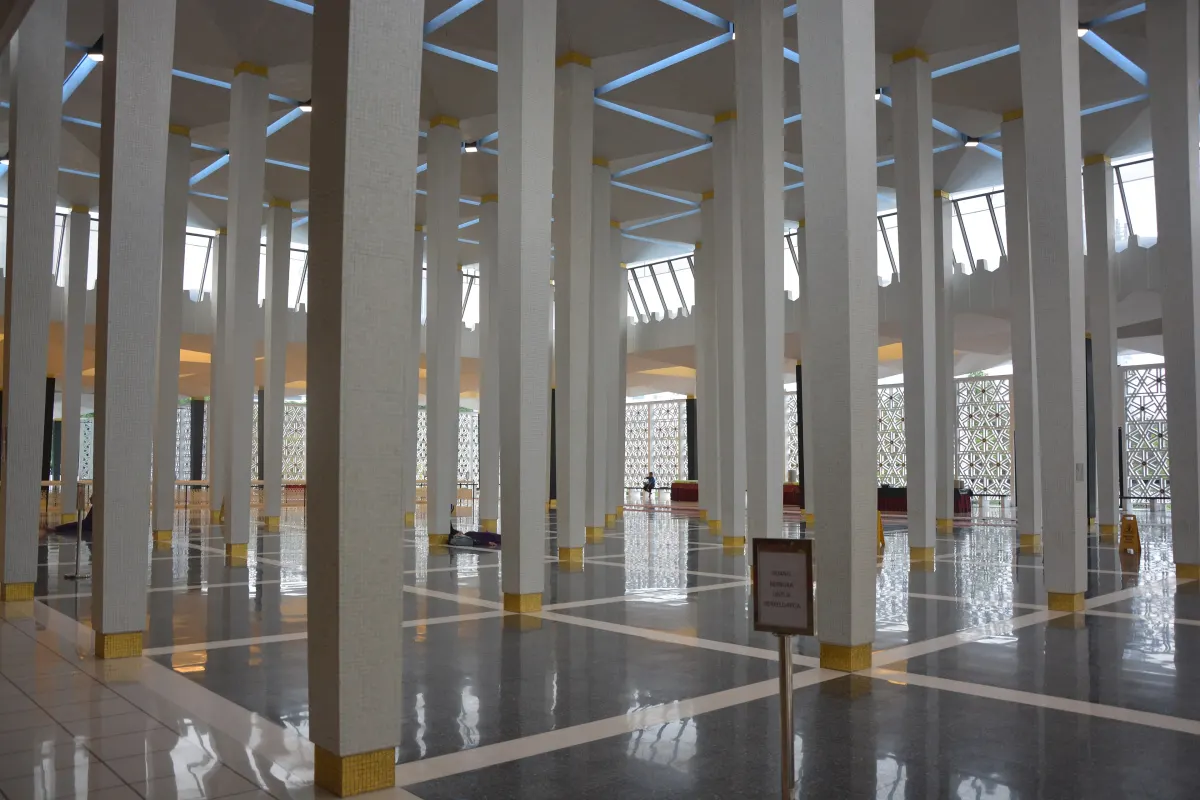
Malaysia is a mix of peoples, religions and food like few other countries. Malays, who are Muslim, make up the largest group, but there are large Chinese and Indian communities, and in Borneo dozens of indigenous peoples. Islam is the official religion, the country is generally relaxed and friendly to visitors, and a little care with dress and manners goes a long way, especially in mosques and the more conservative northeast.
Who's who
- About 34 million people live in Malaysia. Roughly 70% are Bumiputera ("sons of the soil"): the Malays and the indigenous peoples of the peninsula and Borneo, such as the Iban, Bidayuh and Orang Ulu in Sarawak and the Kadazan-Dusun and Bajau in Sabah. About a fifth are Chinese Malaysians and around 7% Indian Malaysians, mostly of Tamil descent.
- Malays are Muslim by law. Most Chinese Malaysians are Buddhist or Taoist, most Indian Malaysians Hindu, and many people in Sabah and Sarawak Christian. You'll see mosques, Chinese temples, Hindu temples and churches on the same street in George Town or Melaka.
- The national language is Malay (Bahasa Malaysia). English is widely spoken, especially in the cities and by younger people, along with Chinese dialects such as Cantonese and Hokkien, and Tamil. "Terima kasih" (thank you) is appreciated.
- Malaysia is a federation of 13 states, nine with their own sultan or ruler, and a king elected from among them every five years. Treat the royal families with respect: insulting them, or Islam, can lead to prosecution, including for posts on social media.
Visiting mosques
- Many of the big mosques welcome non-Muslim visitors outside prayer times, including the National Mosque (Masjid Negara) and Masjid Jamek in Kuala Lumpur, the pink Putra Mosque in Putrajaya, the Kapitan Keling Mosque in George Town and the City Mosque in Kota Kinabalu.
- Each has its own visiting hours for tourists, and closes to them during the five daily prayers, especially at Friday midday prayers. Check the times before you go.
- Dress: cover your arms and legs, and women should cover their hair. The big mosques lend robes and headscarves at the entrance, often for free.
- Take your shoes off before you go in. Don't walk in front of anyone who is praying, don't touch the Qur'an, and keep your voice down. Some prayer halls are for Muslims only, so stay where the signs say visitors can go. Ask before you photograph people.
Temples and churches
- At Hindu temples, take your shoes off and cover your shoulders and knees. Some don't allow visitors into the inner shrine, and some ask you not to bring leather.
- Chinese temples are relaxed: you can usually keep your shoes on, but take your hat off, don't point at the statues, and ask before photographing people praying.
- See Batu Caves, the Hindu cave temple just outside KL.
Everyday manners
- Use your right hand for eating, and for giving and taking things, money included. Many Malaysians eat with their right hand at Malay and Indian restaurants.
- Point with your thumb, not your finger, and beckon with your palm down. Don't touch people's heads.
- Take your shoes off when you go into someone's home, and often in guesthouses and some shops: look for shoes at the door.
- Many Muslim men and women don't shake hands with the opposite sex. Wait for the other person to offer their hand. A hand on your heart, with a nod, is a polite greeting.
- Keep kissing and cuddling in public to a minimum, especially in the northeast.
- Dress modestly away from the beach, especially in Kelantan and Terengganu, rural areas, and government offices. In KL and Penang, shorts and T-shirts are fine.
Ramadan
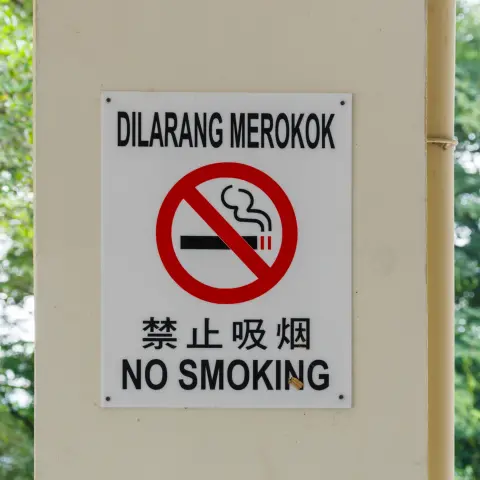
- During Ramadan, the Muslim month of fasting, Muslims don't eat, drink or smoke from dawn to sunset. In 2027, Ramadan is expected to start around 8 February, depending on the sighting of the new moon.
- Non-Muslims can eat and drink as normal, and Chinese and Indian restaurants and cafés stay open, but be discreet about eating and drinking in front of people who are fasting, especially in Kelantan and Terengganu. Some Malay food stalls close in the day.
- In the late afternoon, Ramadan bazaars open in every town, selling food for breaking the fast at sunset: one of the best things to see and eat in Malaysia. The roads are busy just before sunset.
- Some opening hours change, and offices may close early.
Festivals
- Hari Raya Aidilfitri (Hari Raya Puasa), at the end of Ramadan, is the biggest holiday of the year: expected around 10 and 11 March 2027. Millions of people travel home (balik kampung) in the days before, so buses, trains and flights sell out and roads jam. Many families hold an "open house", where everyone is welcome.
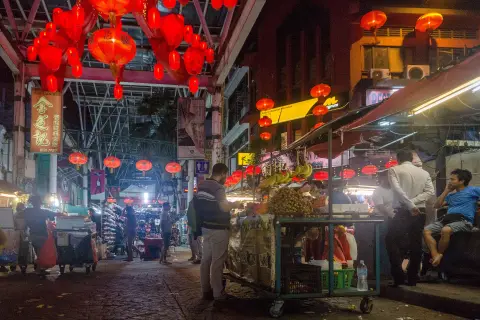
- Chinese New Year falls on 6 and 7 February 2027, with lion dances, lanterns and fireworks, especially in Penang, Ipoh and KL's Chinatown. Many shops and stalls close for several days.
- Thaipusam (22 January 2027) brings huge crowds of Hindu devotees to Batu Caves, some carrying kavadi, elaborate frames pierced into the skin. It's extraordinary to see, but go early and expect a crush.
- Deepavali, the Hindu festival of lights, is in late October or early November (around 28 or 29 October in 2027), with lamps, kolam drawings and sweets, especially in Little India in KL and Penang.
- Hari Raya Haji (Eid al-Adha) is around 17 May 2027. In Borneo, Sabah celebrates the harvest festival Kaamatan at the end of May, and Sarawak the Dayak harvest festival Gawai on 1 and 2 June.
- Other public holidays include Wesak (May), National Day, or Merdeka (31 August), and Malaysia Day (16 September). Some holidays apply only in some states, and Kelantan, Terengganu and Kedah have their weekend on Friday and Saturday.
See also: Malaysian laws visitors should know, and Malaysia's history and arts at the Islamic Arts Museum, the National Museum in Kuala Lumpur and the Borneo Cultures Museum in Kuching.
Comments
No comments yet.