
Phones and apps for Malaysia: SIM cards, eSIMs and what to install
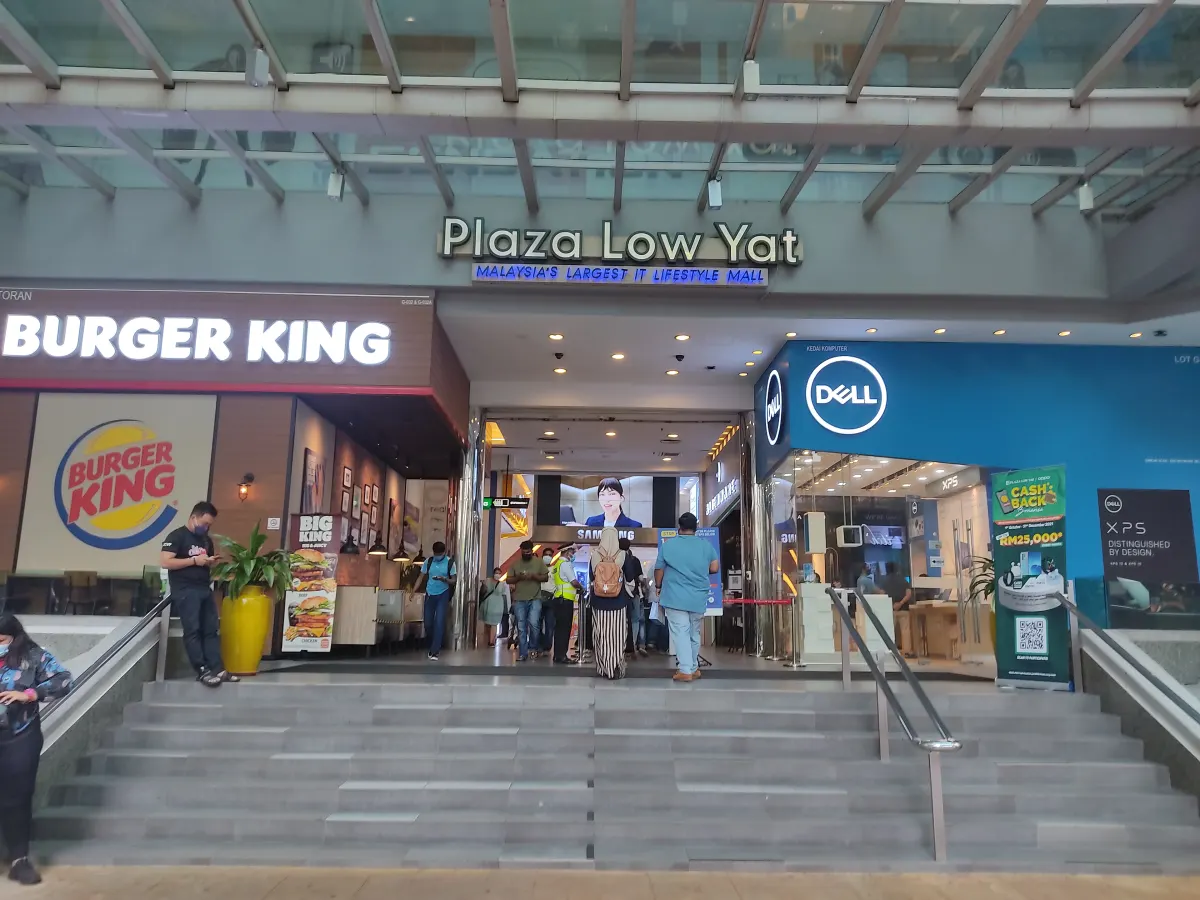
Mobile data in Malaysia is cheap and fast in the cities and along the main roads, and a local SIM or eSIM makes everything easier, from booking a Grab to paying by QR code. Set up your apps before you leave home, while you can still receive text messages on your own number.
SIM cards and eSIMs
- The main mobile networks are CelcomDigi, Maxis (whose prepaid brand is Hotlink), U Mobile and Unifi Mobile. All sell prepaid tourist SIMs with plenty of data for a week or a month.
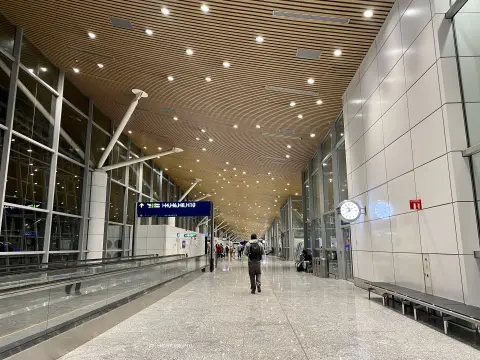
- You can buy one at the counters in the arrivals halls of the main airports, at the networks' own shops in shopping centres, and from phone shops. Airport prices are a little higher, but the staff set it up for you.
- By law, prepaid SIMs must be registered: take your passport, which the seller checks and records.
- eSIMs: the Malaysian networks sell eSIMs, and many international travel eSIM apps cover Malaysia. Check that your phone is unlocked and supports eSIM. Buy and install it before you fly, and switch it on when you land.
- Top up at convenience stores such as 7-Eleven and petrol stations, in the network's app, or online.
Coverage
- Coverage is good in towns and cities, along the motorways, and on Langkawi and Penang. It's patchy or absent in the rainforest, deep in Taman Negara, in the interior of Sabah and Sarawak, at Mulu and on parts of the smaller islands. One network may work where another doesn't.
- Wi-Fi is free in most hotels, cafés and shopping centres, and at the airports.
Apps to install
- Grab: for rides, food delivery and parcels. Malaysians use it for everything. See Getting around.
- Touch 'n Go eWallet: to pay by QR code at shops and stalls, if it accepts your passport. See Money.
- Google Maps or Waze (which most Malaysian drivers use) for directions, and Google Maps for public transport.
- MyRapid PULSE for Kuala Lumpur's trains and buses, and the KTMB app to book ETS trains.
- WhatsApp: hotels, guesthouses, dive shops, drivers and tour operators all use it to take bookings and answer questions.
- The airlines' apps, for check-in and changes, and a bus booking app for express buses.
- myCuaca, the Malaysian Meteorological Department's app, for weather warnings, and the Department of Environment's APIMS website for the air quality during the haze. See Weather.
- A translation app, for menus and signs in Malay or Chinese, though English is widely spoken.
Plugs and power
- Malaysia uses the British-style three-pin plug (type G) and 240 volts. Bring an adapter if your plugs are different.
- Shopping centres, airports and many cafés have charging points, and a power bank is useful on long days out.
See also: Arriving in Malaysia.


Comments
No comments yet.