
Weather and when to go to Malaysia: the monsoons, the east-coast islands and the haze
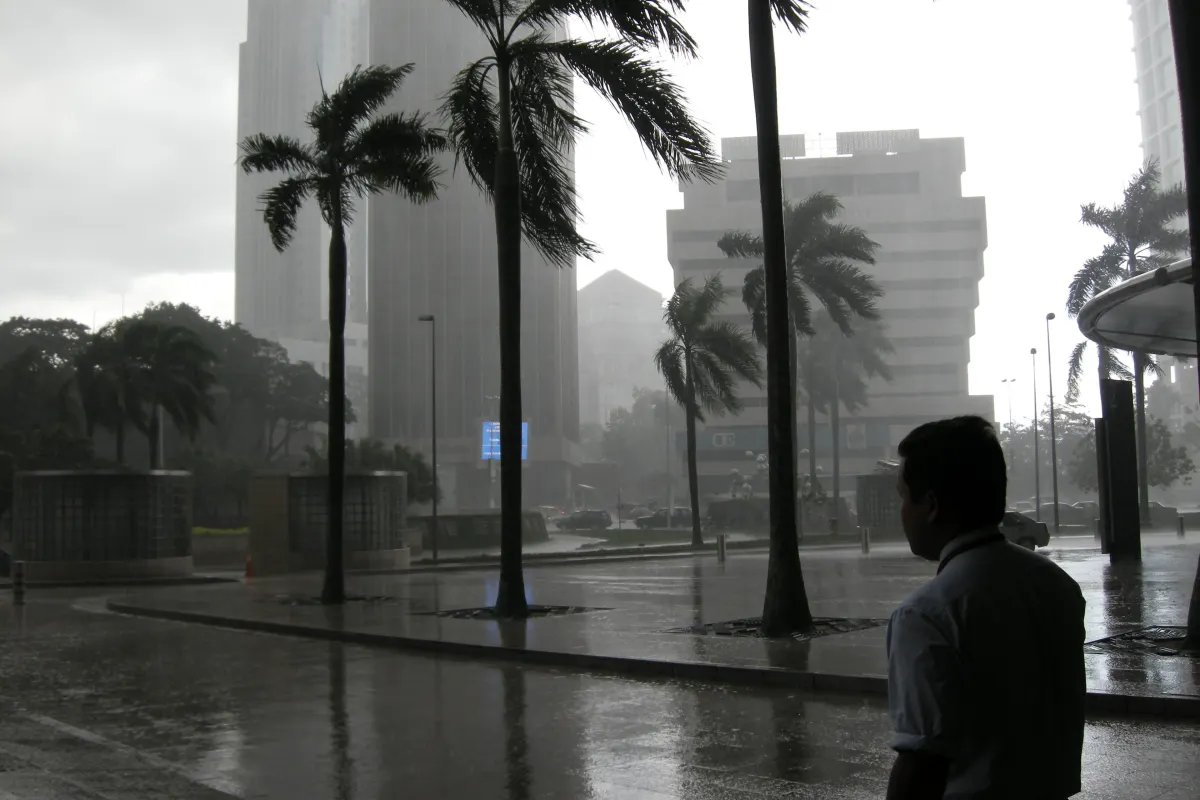
Malaysia is hot and humid all year round, and it rains a lot, usually in heavy afternoon downpours rather than all day. What matters most is the monsoons, which hit the two coasts of the peninsula at different times. There's somewhere good to go in every month, but if you want the east-coast islands, go between about March and October.
The climate
- On the coast and in the lowlands, days are usually 30 to 34°C and nights rarely below 23°C, with high humidity. It's much cooler in the highlands: the Cameron Highlands are usually 15 to 25°C, and the summit of Mount Kinabalu can be near freezing before dawn.
- Most days, even in the wet seasons, have sunny spells, with thunderstorms building in the afternoon or evening. Carry an umbrella.
- The sun is strong all year: see Health and safety.
The northeast monsoon: November to March
- From about November to March, the northeast monsoon brings heavy rain and rough seas to the east coast of the peninsula (Kelantan, Terengganu, Pahang and eastern Johor), and to Sabah and Sarawak. The worst is usually from November to January, when there are often serious floods in the east, which can close roads and railways.
- Most resorts and boats on the east-coast islands close during the monsoon: the Perhentian Islands and Redang from about November to February or March, and Tioman becomes very quiet. In 2026, about nine in ten places to stay on the Perhentians had closed by late October. A few stay open, but boats may not run.
- This is the best season for the west coast: KL, Melaka, Penang and Langkawi are usually at their driest from December to February.
The southwest monsoon: May to September
- From about May to September, the southwest monsoon is milder. The west coast still has afternoon storms, but the east-coast islands are at their best, with calm, clear water for snorkelling and diving, from about March or April to October.
- In between the monsoons, around April and October to November, the west coast has its heaviest thunderstorms.
Borneo
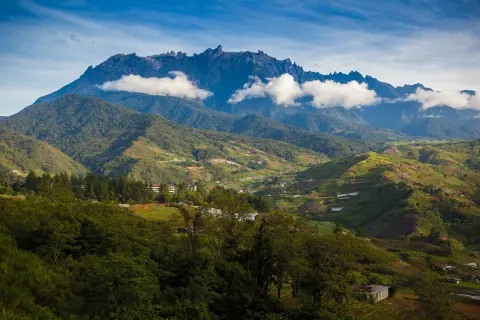
- Sabah and Sarawak are wet all year, and wettest from about November to February. Sabah is a little drier from about March to September, a good time to climb Mount Kinabalu and see wildlife, although it's possible all year.
- Heavy rain can cancel the small planes to Mulu and make jungle trails muddy and full of leeches.
The haze
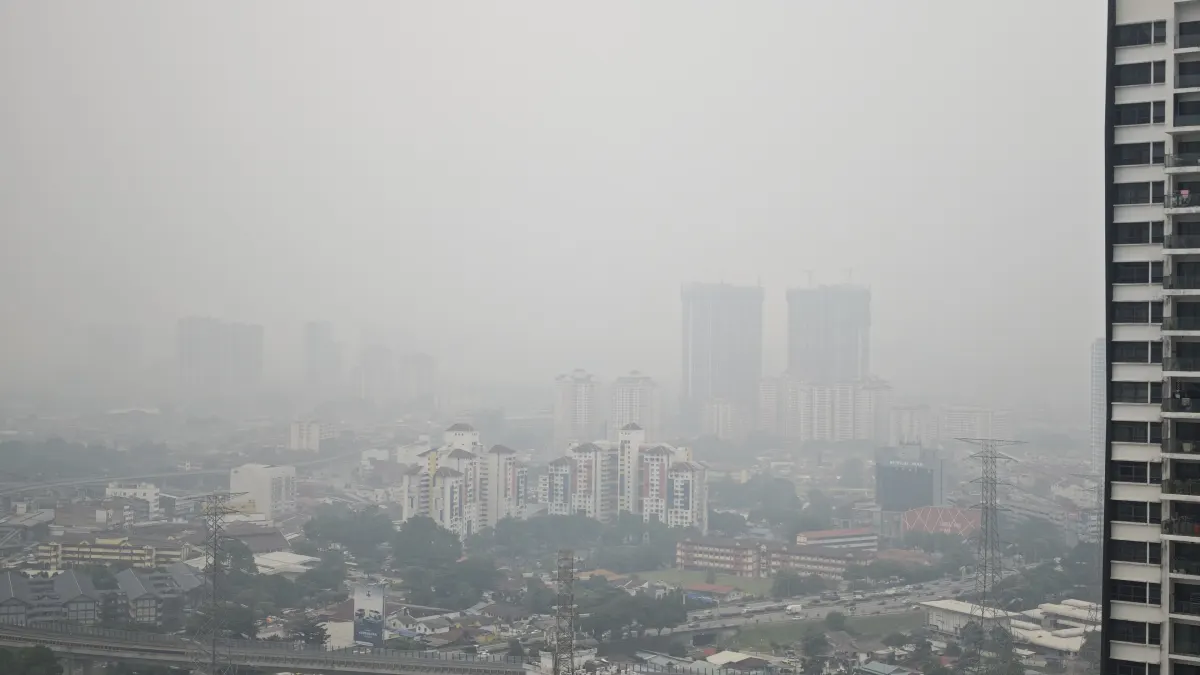
- Between about June and October, smoke from forest and peat fires, mostly in Indonesia, can drift over Malaysia, especially the west coast and Sarawak. In a bad year, the haze hides the sun for days, closes schools and delays flights.
- Check the air quality on the Department of Environment's APIMS website: an Air Pollutant Index over 100 is unhealthy. If it's high, stay indoors in air conditioning, and wear a well-fitting mask (N95 or similar) outside, especially if you have asthma or a heart or lung condition.
Holidays and crowds
- Places to stay, buses, trains and flights fill up and prices rise during the Malaysian school holidays, Chinese New Year, and especially the days before Hari Raya Aidilfitri, when millions of people travel home. Book well ahead, or avoid travelling then. See festivals.
- Singaporeans flock across the border at weekends and on their own holidays, so Johor Bahru, Melaka and the Cameron Highlands are busier then.
When to go, in short
- December to February: KL, Penang, Langkawi and Melaka; avoid the east coast.
- March to October: the east-coast islands (best from about April to September) and Sabah; KL and Penang have more storms, and watch for the haze from June.
- Any time: KL, the Cameron Highlands and city breaks, and the rainforest, if you don't mind getting wet.
See also: Islands and beaches, and the forecasts and warnings from the Malaysian Meteorological Department.




Comments
No comments yet.