
Malaysian food and drink: hawker centres, mamak stalls, nasi lemak, laksa and Penang
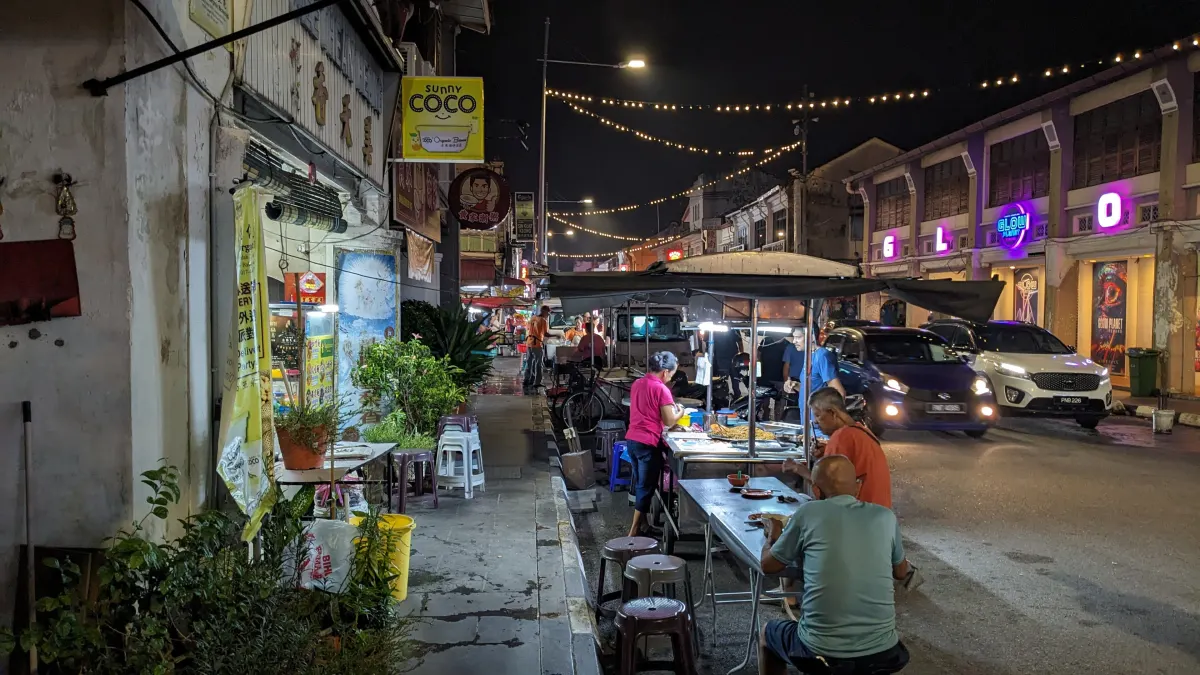
Food is one of the best reasons to go to Malaysia. Malay, Chinese, Indian and Borneo cooking have borrowed from each other for centuries, and the best of it is cheap, served at hawker stalls, coffee shops and all-night mamak restaurants. Eat where the queues are, and try something new at every meal.
Where to eat
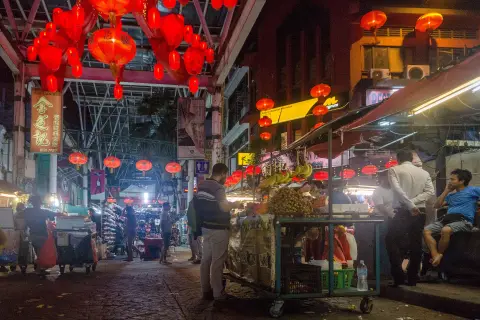
- Hawker centres and food courts: dozens of stalls around shared tables, each cooking one or two dishes. Find a table, order from as many stalls as you like, and pay each one when the food arrives. Drinks are sold by someone who comes to your table. In Penang, many of the best hawkers set up on the street in the evening.
- Kopitiams are old-style coffee shops, usually Chinese-run, with stalls inside selling noodles, rice and toast with kaya (coconut jam).
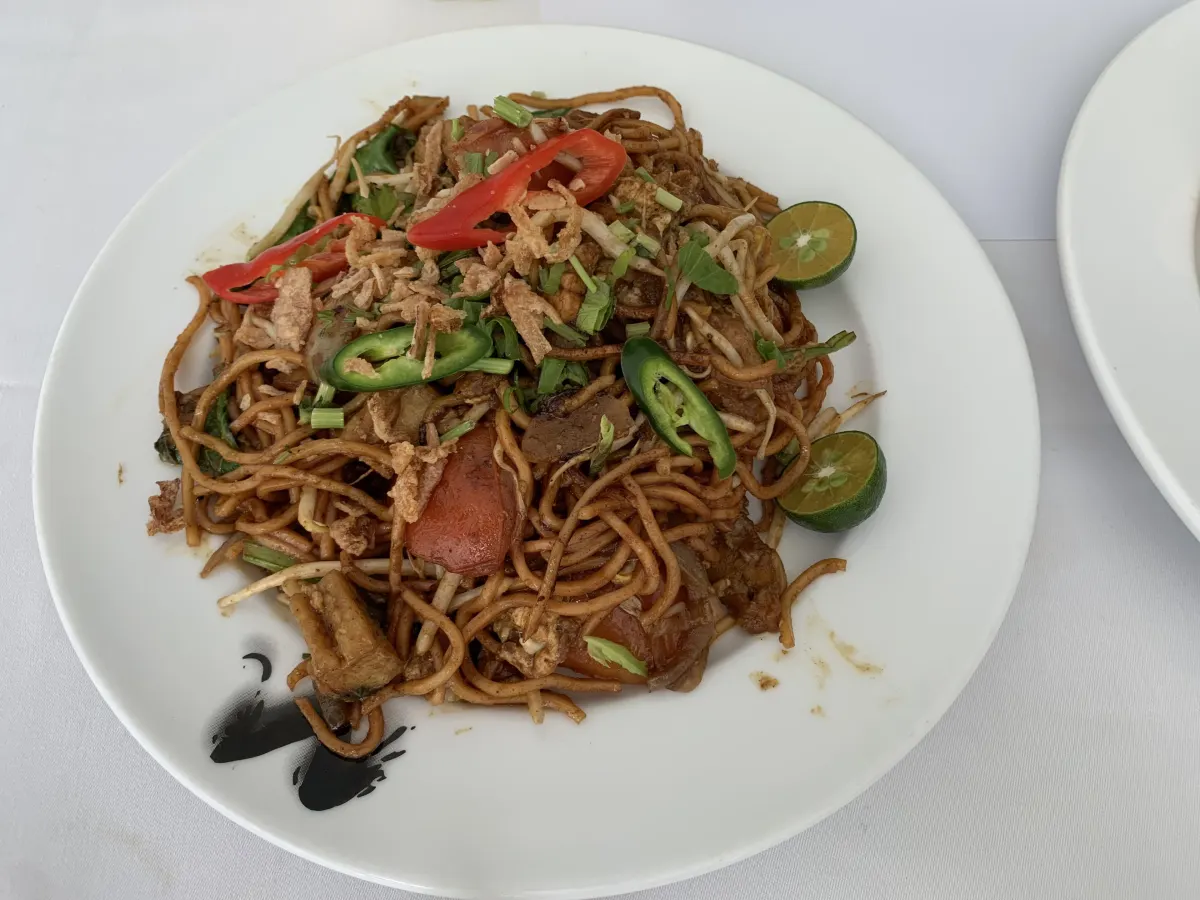
- Mamak restaurants, run by Indian Muslims, are open late, many all night. Everyone goes there for roti canai, mee goreng mamak, nasi kandar (rice with curries) and teh tarik, and to watch football on the big screen.
- Nasi campur (mixed rice) stalls and Malay warungs lay out dozens of dishes: point at what you want with your rice, and you're charged by what's on the plate.
- Night markets (pasar malam) move round each town's neighbourhoods on set evenings, and in Ramadan the Ramadan bazaars sell food for breaking the fast: see Culture.
- At Indian banana leaf restaurants, your rice and curries are served on a leaf: eat with your right hand, and fold the leaf towards you when you've finished to say you enjoyed it.
What to try
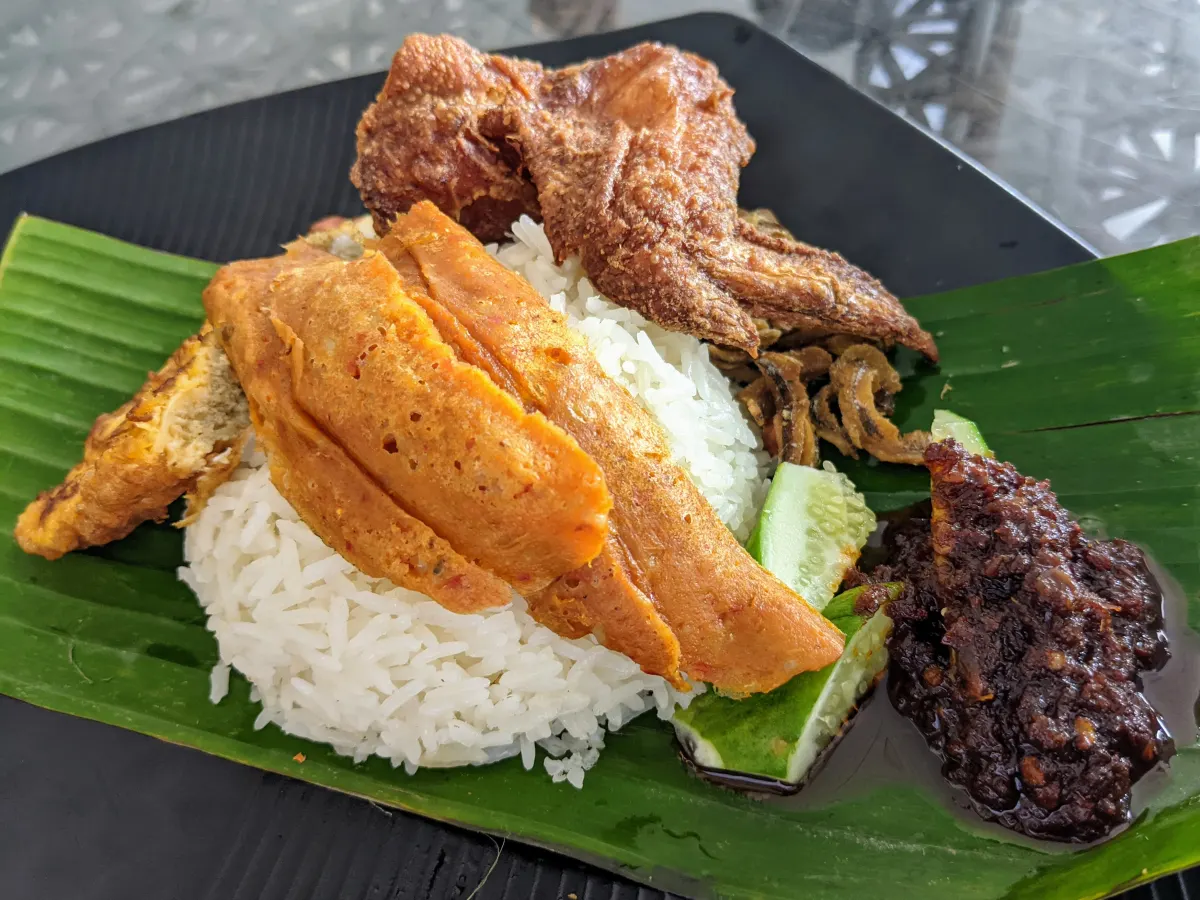
- Nasi lemak, the national dish: rice cooked in coconut milk, with sambal, fried anchovies, peanuts, egg and cucumber, eaten at any time of day, often for breakfast.
- Roti canai, flaky flatbread with dhal or curry, and its many variations.
- Char kway teow, flat rice noodles fried at high heat with prawns, cockles, egg and bean sprouts: Penang's is famous.
- Satay, grilled skewers with peanut sauce, best in Kajang, near KL.
- Nasi kandar, Penang's rice with curries poured over, and Hainanese chicken rice.
- Rendang, slow-cooked dry curry, and nasi kerabu, blue rice from Kelantan.
- Bak kut teh, a pork-rib herbal soup from Klang, and Ipoh's bean sprout chicken and white coffee.
- In Borneo, try Sarawak laksa and kolo mee in Kuching, and hinava, raw fish in lime juice, in Sabah.
- Sweets: cendol (shaved ice with coconut milk, palm sugar and green jelly), ais kacang, and Nyonya kuih, colourful rice cakes. And durian, the king of fruits, if you dare.
Laksa: one name, many dishes
- Penang assam laksa: sour and spicy fish broth with tamarind, served with thick rice noodles, pineapple, mint and a sweet prawn paste.
- Curry laksa (curry mee), the one most people know: noodles in a rich coconut curry soup, common in KL.
- Nyonya laksa in Melaka, Sarawak laksa with a spiced coconut broth, prawns and omelette strips, laksa Johor, made with spaghetti, and laksam from Kelantan, with rolled rice noodles.
Eating in Penang
- George Town, Penang, is often called Malaysia's food capital. Its hawker streets and food courts, such as the stalls along Lebuh Kimberley and New Lane in the evening, are the best way to try many dishes in one go.
- Many stalls close one day a week, sell out, or open only in the morning or evening: ask locally, and go early for the famous ones.
- See George Town and the 7-day itinerary.
Halal food
- Malay and mamak food is halal. Chinese stalls and restaurants often serve pork, so Muslims look for the halal logo and "no pork" signs. Ask if you need to avoid pork.
- Vegetarians do well at Indian restaurants and Chinese Buddhist vegetarian restaurants. Elsewhere, many dishes include shrimp paste (belacan) or anchovies, even when there's no meat.
Drinks
- Teh tarik, "pulled" tea with condensed milk, poured from a height to make it frothy. Kopi is strong local coffee, often roasted with butter and sugar. Say "kurang manis" for less sugar, "kosong" for no sugar or milk, and "ais" for iced.
- Also try fresh fruit juices, sugar cane juice, lime juice (limau), and Milo, served iced in a big glass.
- Tap water is treated, but most Malaysians boil or filter it, and visitors usually drink bottled or filtered water. Ice in restaurants and stalls is generally made with treated water.
- Alcohol is expensive, and you won't find it at Malay or mamak restaurants: see Laws.
Useful words
- Tapau: takeaway. Makan sini: eat here. Pedas: spicy. Tak nak pedas: not spicy, please. Sedap: delicious.
- Prices at hawker stalls are fixed, and nobody tips: see Money.
Comments
No comments yet.