
Filipino food and drink: what to try
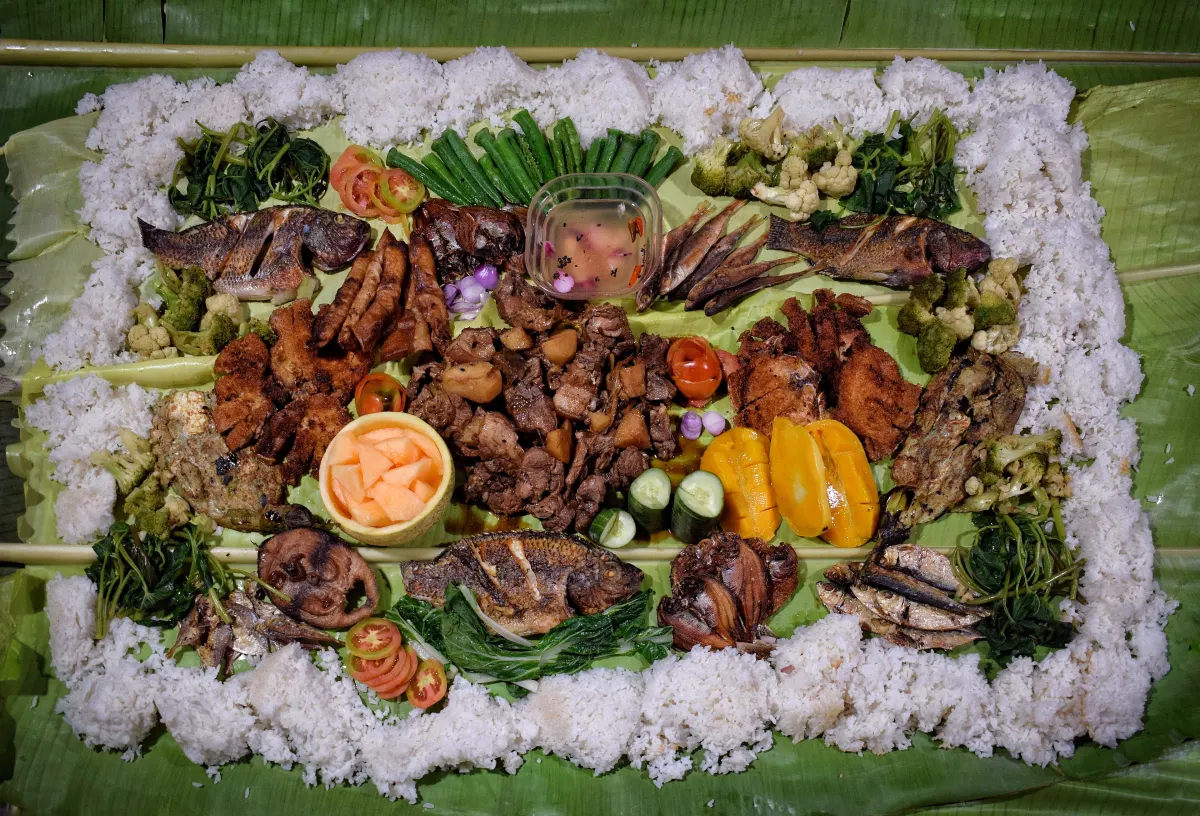
Filipino food is less famous than its neighbours', but it's some of the most comforting in Asia: sour, salty and sweet rather than very spicy, built on rice, pork, seafood, vinegar and garlic, with Malay, Chinese, Spanish and American influences. Eating is the centre of Filipino life, and you'll be asked "Kumain ka na?" ("Have you eaten?") as a greeting.
Dishes to try
- Adobo: chicken or pork stewed in vinegar, soy sauce, garlic, bay leaves and pepper. Every family makes it differently, and it's often called the national dish.
- Sinigang: a sour soup, usually soured with tamarind, with pork, prawns or fish and vegetables. Perfect on a rainy day.
- Lechon: whole roast pig with crackling skin, the centre of every fiesta. Cebu's, stuffed with lemongrass and spices, is said to be the best.
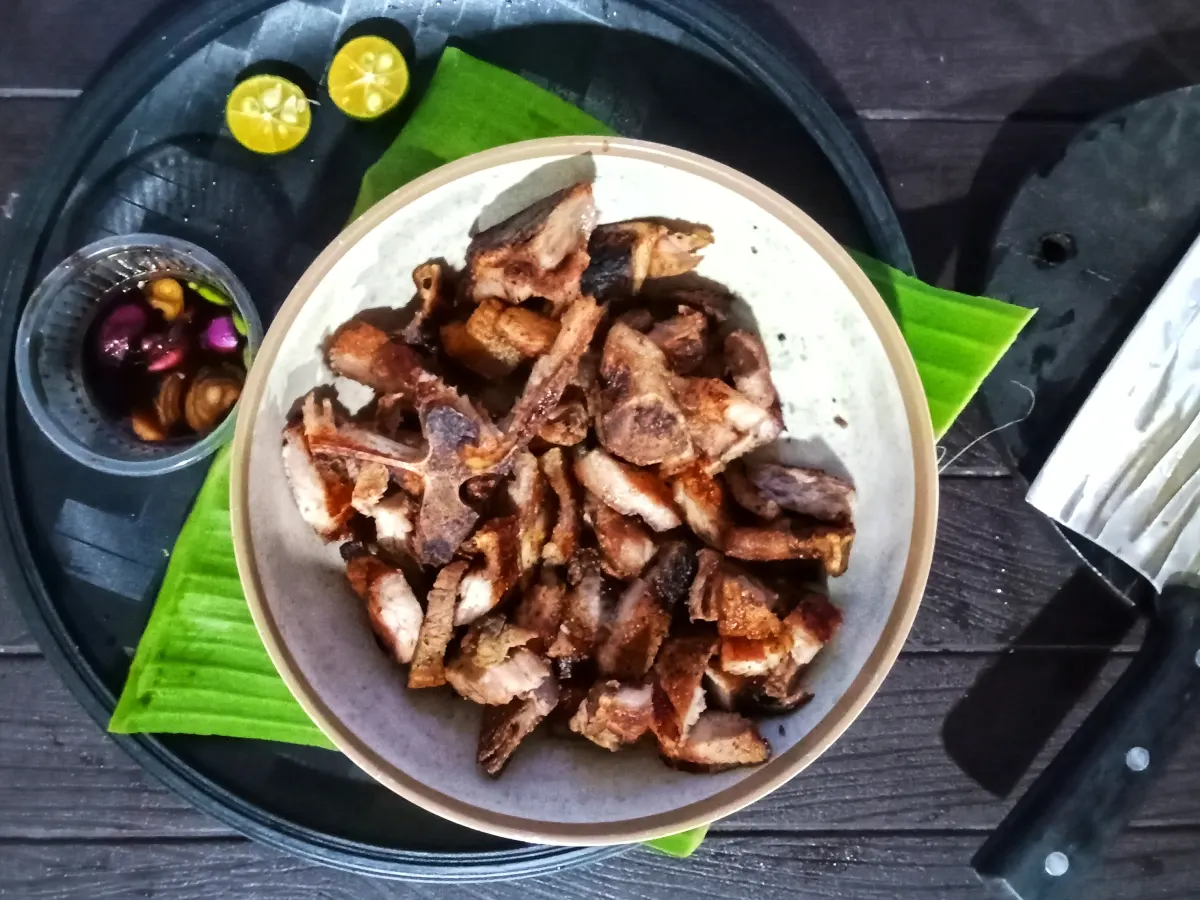
- Sisig: chopped pork face and ears, fried crisp with onion, chilli and calamansi, served sizzling on a hot plate. Invented in Pampanga, the food capital, and best with beer.
- Kare-kare: oxtail and vegetables in a thick peanut sauce, served with bagoong, salty fermented shrimp paste.
- Kinilaw: raw fish "cooked" in vinegar or calamansi, with ginger, onion and chilli. Best by the sea.
- Chicken inasal: grilled chicken marinated in calamansi, lemongrass and annatto, from Bacolod, served with unlimited rice in many places.
- Pancit (noodles, eaten for long life at birthdays), lumpia (spring rolls), bulalo (beef shank and bone marrow soup) and tapsilog (cured beef, fried rice and a fried egg: the classic breakfast, one of a family of "-silog" dishes).
- Street food: grilled pork and chicken skewers, isaw (grilled intestines), fish balls dipped in sweet or spicy vinegar, and, if you're brave, balut, a boiled fertilised duck egg.
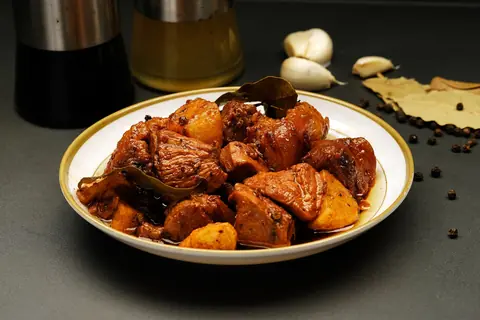
Adobo
The unofficial national dish: chicken or pork (or both) braised in vinegar, soy sauce, garlic, bay leaves and black peppercorns until tender and glos…
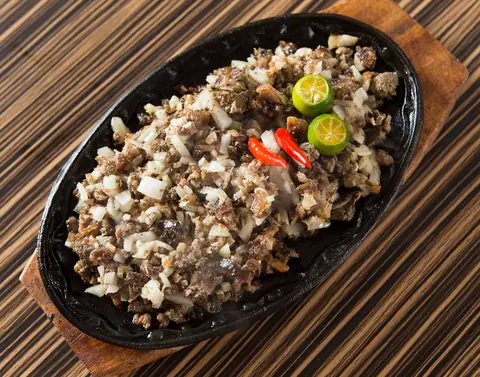
Sisig, Pampanga
Chopped pig's face and ears, boiled, grilled, then fried on a sizzling iron plate with onions, chillies and calamansi, often with an egg cracked on t…
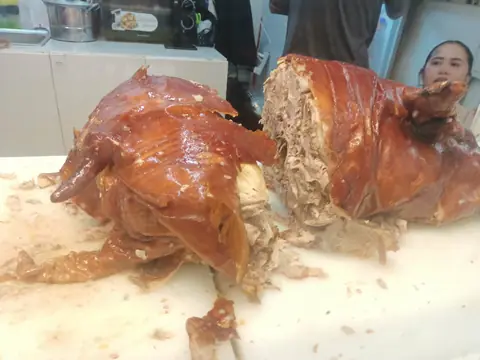
Lechon, Cebu
A whole pig roasted over charcoal for hours until the skin is glassy, crackling and golden.
Sweets
- Halo-halo: "mix-mix", shaved ice with evaporated milk, sweet beans, jelly, fruit, leche flan and purple ube (yam) ice cream. The best cure for the heat.
- Ube turns up in everything, from cakes to ice cream. Also try bibingka and puto bumbong (rice cakes, especially at Christmas), turon (fried banana rolls), and the very sweet mangoes, especially from Guimaras and Cebu.
How Filipinos eat
- Rice comes with almost every meal, including breakfast, and many restaurants serve unlimited rice.
- Filipinos eat with a spoon and fork, pushing food onto the spoon with the fork. Knives are rare.
- Kamayan means eating with your hands, from food laid out on banana leaves. A boodle fight, a feast laid out on a long table of banana leaves for everyone to share, is a fun way to try many dishes.
- The cheapest food is at a carinderia or turo-turo ("point-point"): a small eatery with dishes in pots on the counter, where you point to what you want.
- Dishes come with dipping sauces and condiments on the table: vinegar with chilli and garlic, soy sauce and calamansi. Mix your own.
- Jollibee, the Filipino fast-food chain, is a national institution: try its sweet spaghetti and fried "Chickenjoy".
Drinks
- Water: don't drink the tap water. Bottled water is everywhere, and most towns have water refilling stations, which are cheaper and cut plastic: many hotels and resorts have refills too. Ice in restaurants and drinks is usually made from purified water.
- Fruit: fresh coconuts (buko), mango shakes, calamansi juice, and sago't gulaman, a sweet drink with tapioca pearls and jelly.
- Coffee: the Philippines grows its own, including strong barako from Batangas.
- Beer: San Miguel, especially the Pale Pilsen, and Red Horse, which is stronger. Beer is cheap, and often served with ice.
- Spirits: Tanduay rum, and local coconut and sugar cane spirits such as lambanog and tuba. Drink only from sealed bottles from shops you trust: see Safety.
- Videoke (karaoke) and drinks go together, at home, at parties and in bars.
See also: Health for food and water safety, and Culture and etiquette for being a guest at a Filipino meal.




Comments
No comments yet.