
Arriving in the Philippines: visa-free stays, eTravel, onward tickets and extensions
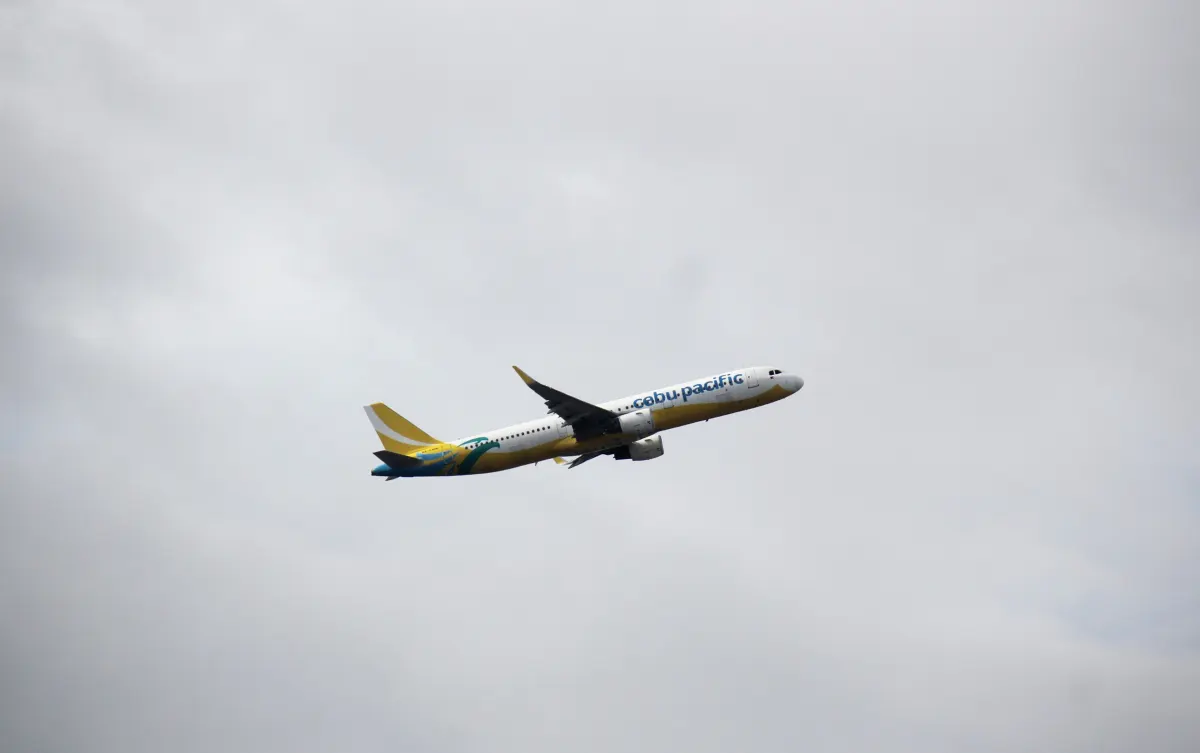
Most visitors can arrive in the Philippines without a visa and stay for 30 days, which can be extended once you're there. Before you fly, you have to register on the free eTravel system, and you'll usually be asked for a ticket out of the country.
Do you need a visa?
- 30 days without a visa: passport holders from most countries, including the UK, Ireland, the USA, Canada, Australia, New Zealand, the countries of the European Union and most of Southeast Asia, can visit the Philippines for tourism or business for up to 30 days without a visa.
- Other stays: a few nationalities get longer (Brazilian and Israeli passport holders, for example, get 59 days), and some get shorter visa-free stays with extra conditions, which have included Indian and Chinese passport holders. Rules for individual countries change, so check with the nearest Philippine embassy or consulate.
- Everyone else, and anyone who knows they want to stay longer than 30 days from the start, should apply for a visa through a Philippine embassy or consulate before travelling.
- Your passport should be valid for at least six months after the date you arrive.
Proof of onward travel
Visitors are expected to have a ticket out of the Philippines within the time they're allowed to stay: a return flight, or a flight or ferry to another country. Immigration officers can ask to see it, and airlines often check before you board, especially if you're flying on a one-way ticket. Keep a copy of the booking on your phone. If you plan to stay longer than 30 days and extend, your onward ticket can still be within 30 days: many travellers book a cheap, changeable flight out.
eTravel: register before you fly
eTravel is the Philippines' online arrival registration, which replaced the old paper arrival cards and health declarations. Every foreign visitor arriving in the Philippines has to fill it in.
- Register on the official site, etravel.gov.ph, or in the government's eGovPH app, in the 72 hours before you arrive. It asks for your passport, flight and where you're staying.
- It's free. Other websites that look official charge for the same form: use only the government site or app.
- You get a QR code. Keep it on your phone, or print it: airlines can refuse to let you board without it, and you show it again at immigration.
- You need a new registration for each trip into the Philippines.
Staying longer
- If you arrived visa-free for 30 days, you can ask the Bureau of Immigration for a visa waiver, which adds 29 days, so 59 days in all. After that, you can extend by 1, 2 or 6 months at a time. Visitors from visa-free countries can stay up to 36 months in total this way.
- Apply at a Bureau of Immigration office (there are offices in Manila, Cebu, Puerto Princesa, Boracay and other tourist areas), or through its online e-services, at least a week before your stay runs out. The fees for the first extension come to around ₱3,000 at the time of writing, and more for longer extensions, which also need an ACR I-Card, a foreigner's ID card.
- Only use the Bureau of Immigration itself. Agents and websites offering extensions charge more and can't do anything the Bureau can't.
- Don't overstay. Overstaying means fines, and can mean detention and deportation at your own cost.
- If you stay six months or more, you need an Emigration Clearance Certificate from the Bureau of Immigration before you leave.
Customs and money
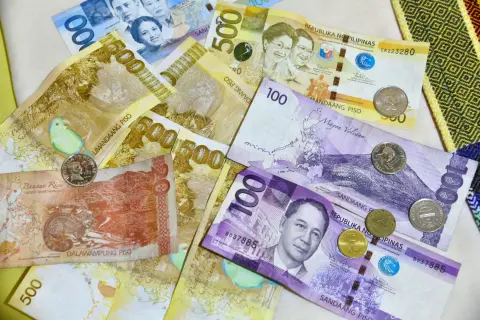
- You can bring in no more than ₱50,000 in Philippine pesos, and must declare foreign currency worth more than US$10,000 when you arrive.
- Don't bring in drugs of any kind, including cannabis that's legal at home, or any prescription medicine you can't show a prescription for. Keep medicines in their original packs. See Safety.
- Airport fees for leaving the Philippines are now mostly included in your ticket, but check. If you leave from Cebu, an international terminal fee may be charged if it isn't in your fare.
Arriving in Manila
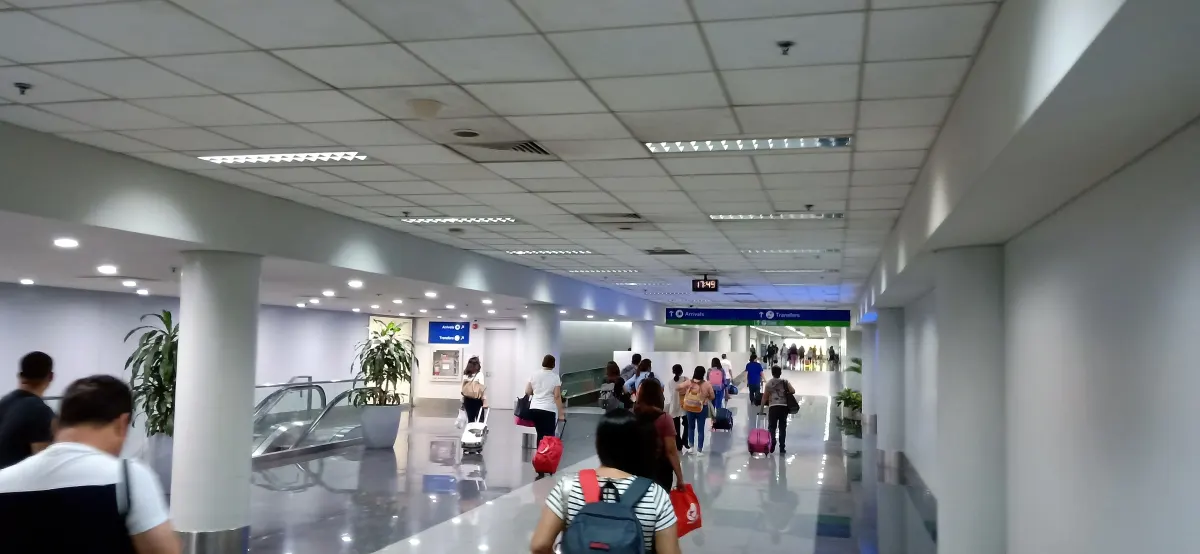
- Manila's airport, Ninoy Aquino International Airport (NAIA), has several terminals, some of them a long way apart, and airlines have been moving between them. Check which terminal your onward flight leaves from, and allow at least an hour to get between terminals in Manila's traffic.
- Many travellers fly straight on to the islands, and it's worth avoiding a same-day connection to a separate domestic booking: domestic flights are often delayed. See Getting around.
- Use Grab, the airport's official taxis, or a pickup arranged by your hotel, rather than taking an offer from someone in the arrivals hall.
- Many visitors also fly straight into Cebu (Mactan-Cebu), Clark, or one of the smaller international airports, such as Puerto Princesa and Bohol-Panglao, which have some international flights and can save a night in Manila.
See also: Money in the Philippines and Phones and SIM cards, because a Philippine SIM needs registering with your passport.


Comments
No comments yet.