
Phones and apps for the Philippines: SIM registration, eSIMs and coverage on the islands
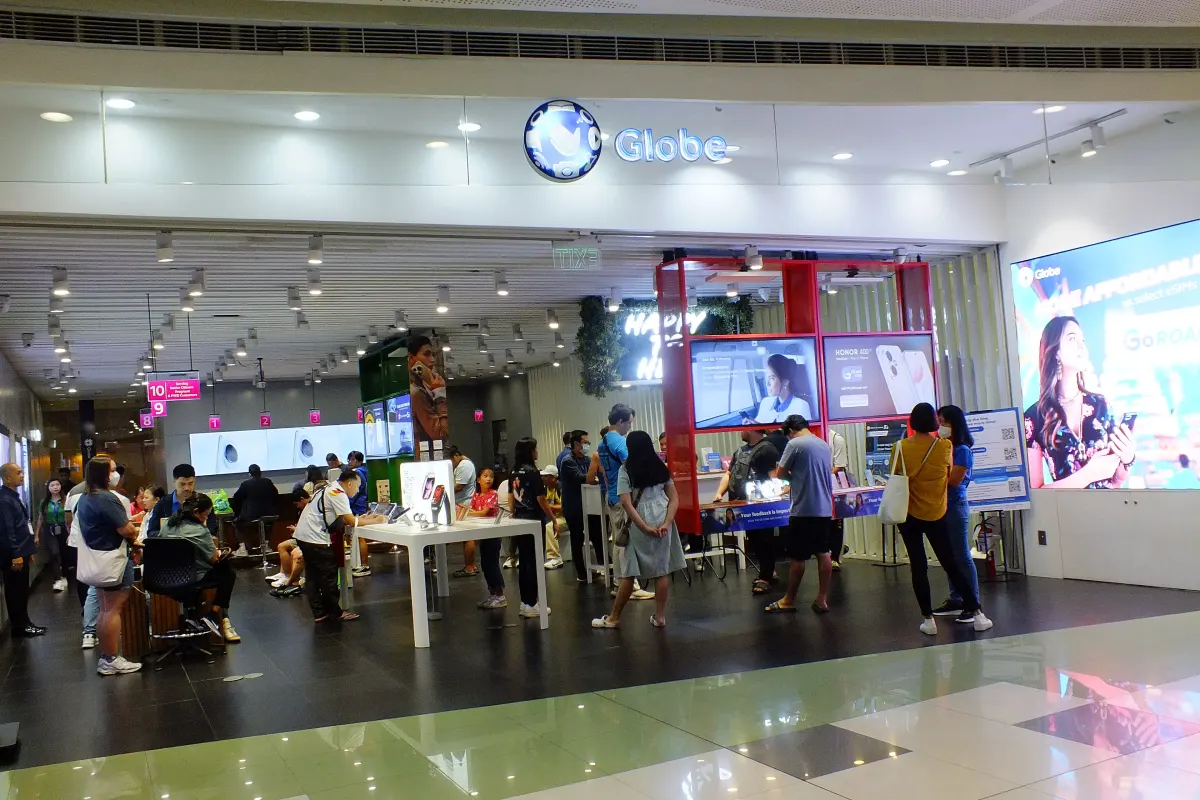
A Philippine phone number makes travelling easier, for Grab, messaging hotels and boatmen, and getting typhoon alerts. Every SIM card has to be registered with your passport, and coverage on the islands is patchy, so plan for some time offline.
Tourist SIM cards
- The main networks are Smart (and its brand TNT), Globe (and TM) and DITO. Smart and Globe have the widest coverage, especially on the islands.
- Under the SIM Registration Act, every SIM card has to be registered. Foreign visitors register as tourists, with their passport and usually their return or onward ticket and an address in the Philippines. You can do it at the network's counter in the arrivals hall, in their shops, or online.
- A tourist SIM is valid for 30 days, and is switched off after that. If you extend your stay, you can keep it going by showing your visa extension to the network.
- Buy data in "promos", bundles of data for a few days or weeks, through the network's app, or by topping up "load" at convenience stores and small shops. Prices are low.
eSIMs
If your phone takes an eSIM, you can buy one before you go, from Smart or Globe, or from an international eSIM company, and be online as soon as you land. International eSIMs usually give data only, without a local number, and some use one network: check it's Smart or Globe if you're going to the islands. If you need a local number, for GCash or texts from boatmen and drivers, get a local SIM.
Coverage on the islands
- Coverage is good in the cities, but on small islands, beaches and in the mountains it can be weak or slow, and in some places there's none at all. On island-hopping trips, expect to be offline most of the day.
- Smart and Globe are each stronger in different places. Some travellers carry a SIM from each.
- Hotel and café Wi-Fi is common, but on islands it can be slow and go off in storms and power cuts. More resorts now use satellite internet, which is faster.
- Download maps, tickets and boarding passes before you go out, and carry a power bank: power cuts ("brownouts") are common on some islands.
Apps to install before you go
- eGovPH, or the eTravel website, to register your arrival: see Arriving.
- Grab, for cars and food delivery in the cities, and Angkas for motorbike taxis in Manila and Cebu.
- Facebook Messenger: many Filipinos, and many hotels, boat operators, dive shops and restaurants, use it more than email or WhatsApp. Lots of small businesses only have a Facebook page.
- An offline map app, or offline areas in Google Maps.
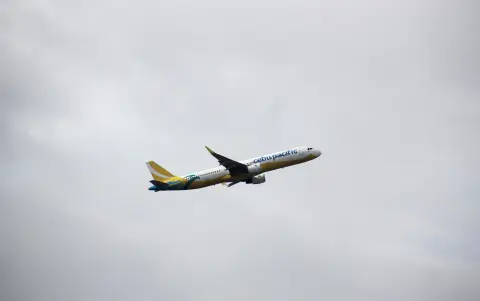
- The airline apps (Cebu Pacific, Philippine Airlines), for delays and rebooking.
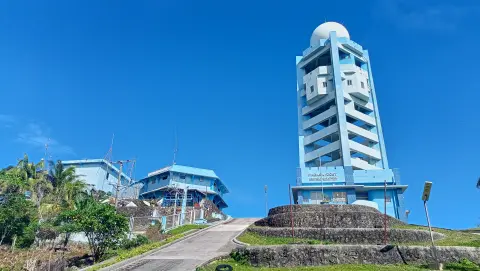
- A weather app, and PAGASA's Facebook page, for typhoon warnings: see Weather and typhoons.
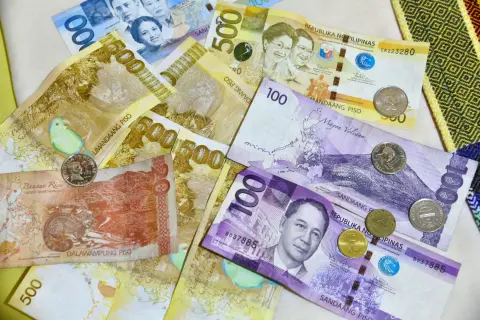
- GCash or Maya, if you can set them up: see Money.
Language
English is an official language, used in government, business and on signs, and widely spoken, so a translation app is rarely needed. Learn a few words of Filipino anyway: see Culture and etiquette.


Comments
No comments yet.