
Safety in the Philippines: travel warnings, scams, petty crime and drug laws
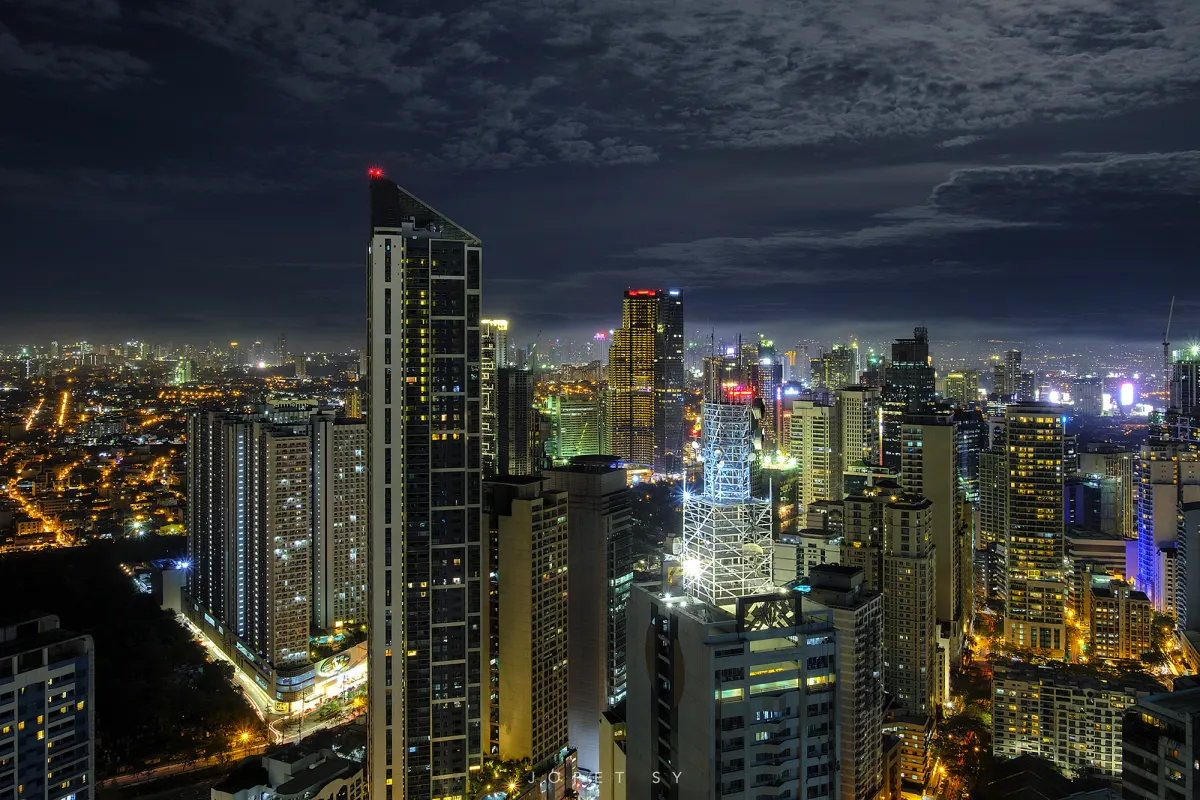
Most visits to the Philippines go without trouble, and Filipinos are famously welcoming. But some parts of the south are dangerous, petty crime is common in the cities, and the drug laws are among the harshest in the world. Know where you shouldn't go and what you shouldn't do.
Areas with travel warnings
Several governments warn against travel to much of Mindanao, the big southern island, because of terrorism, kidnapping, and fighting between the army and armed groups. At the time of writing:
- The UK's Foreign Office advises against all travel to western and central Mindanao and the Sulu archipelago (which includes Sulu and Tawi-Tawi), and against all but essential travel to the rest of Mindanao.
- Its exceptions are Siargao, Camiguin and Dinagat islands, which are popular with visitors and not covered by those warnings.
- The US, Australian and other governments give similar warnings, especially for Sulu, the Zamboanga peninsula and parts of central Mindanao. Kidnapping by armed groups is a particular threat in the southwest, including at sea and at dive resorts.
- Travel insurance usually won't cover you in an area your government advises against.
The warnings change, so read your own government's advice before you book and again before you go: for example GOV.UK, Smartraveller or travel.state.gov. The rest of the Philippines, including Palawan, the Visayas, Boracay and Luzon, isn't covered by these warnings.
Petty crime and robbery
- Pickpocketing and bag snatching are common in Manila and other cities, on crowded jeepneys, trains and buses, in malls and markets, and at festivals. Keep your phone out of sight on the street, and wear your bag in front in crowds.
- There are also armed robberies in the cities, sometimes on jeepneys and buses. If you're robbed, hand things over: don't resist.
- On beaches and boat trips, don't leave things unattended, and use the safe in your room.
- Carry a copy of your passport's photo page: the police can ask for ID.
Scams and taxis
- Taxis: use Grab, or the official airport taxis, or ask your hotel. Street taxis sometimes "forget" the meter or ask a fixed price, and there have been robberies by drivers and their friends.
- Friendly strangers: a common trick starts with a friendly person, often a couple, who invites you home or to a party, then leads you into a card game that's rigged, or drugs your drink. Be wary of new friends who are keen to take you somewhere.
- Drink spiking: don't leave drinks unattended or accept drinks from strangers, especially in bars in Manila, Boracay and other nightlife areas. There have also been deaths from drinks containing methanol, from badly made spirits: drink from sealed bottles in places you trust.
- Online romance and extortion: some visitors have been befriended, then threatened with false accusations unless they paid.
- Fake booking sites: only register for eTravel on the official site (see Arriving), and be careful of tour, ferry and resort deals on social media that ask you to pay to a personal account.
- ATMs: card skimming happens. See Money.
Drug laws
- Don't have anything to do with drugs. Possession of even a small amount of an illegal drug means a mandatory prison sentence, and larger amounts can mean life imprisonment. Waiting for trial can take years.
- The government's "war on drugs" from 2016 led to thousands of killings of suspected users and dealers by police and others. The authorities still take an extremely hard line.
- Cannabis is illegal, even if it's legal where you live.
- Bring prescription medicines in their original packs, with a copy of the prescription.
Other laws
- Smoking and vaping are banned in enclosed public places, on public transport and in many outdoor places, including on Boracay's beach, with fines. Smoke only in marked areas.
- Foreigners are banned from joining political protests, and can be arrested and deported.
- Sex with anyone under 18 is a serious crime, with very long sentences.
- Same-sex relationships are legal and the Philippines is generally tolerant, but public displays of affection are frowned on, by anyone.
At sea and outdoors
Boats are the biggest everyday risk: see Getting around. Beaches rarely have lifeguards, and currents can be strong. Check the weather before boat trips and hikes, and the volcano alerts before going near Mayon or Taal: see Weather and typhoons.
Emergencies
Call 911 for police, fire or ambulance. In tourist areas, there are tourist police, and the Department of Tourism has assistance desks at the main airports. If your passport is stolen, report it to the police and contact your embassy in Manila.

Comments
No comments yet.