
Diving and snorkelling in the Philippines, and swimming with whale sharks responsibly
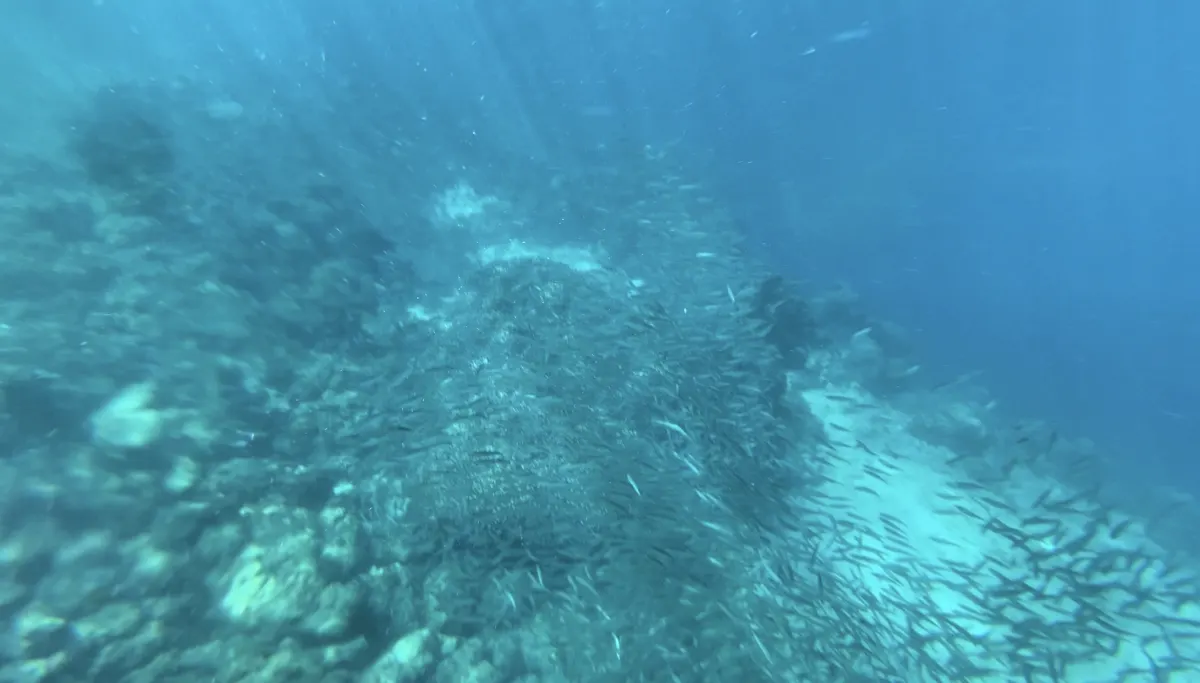
The Philippines is in the Coral Triangle, which has more kinds of coral and reef fish than anywhere else on Earth, and it's one of the best and cheapest places in the world to dive or learn to dive. You don't need to dive to see it: some of the best snorkelling is a few metres off the beach.
Where to go
- Tubbataha Reefs, in the middle of the Sulu Sea, is the country's best, a World Heritage Site with sharks, turtles and huge walls. It's reached only on liveaboard boats from Puerto Princesa, in a short season from about March to June.
- Coron, in northern Palawan, has some of the world's best wreck diving, in a fleet of Japanese ships sunk by American planes in September 1944, plus Barracuda Lake.
- Moalboal, in Cebu, is famous for its sardine run: a shoal of millions of sardines just off the shore at Panagsama Beach, which you can snorkel from the beach, with turtles too.
- Apo Island, off Dumaguete (Negros), is a community-run marine sanctuary with turtles and beautiful coral, an example of how protecting a reef helps the fishing.
- Malapascua, off northern Cebu, is one of the few places in the world where you can regularly see thresher sharks, on early-morning dives.
- Anilao in Batangas and Puerto Galera on Mindoro are close to Manila, and known for small creatures ("macro"). Apo Reef, off Mindoro, is a big, remote atoll.
- El Nido, Bohol (Panglao and Balicasag), Siquijor and Camiguin all have good diving and snorkelling too.
Diving safely
- Choose a dive shop with a good reputation and qualified instructors (PADI, SSI or similar), well-kept equipment, oxygen and first aid on the boat, and radios. Ask where the nearest recompression chamber is: on remote islands it can be hours away.
- Get diving insurance that covers treatment and evacuation, as most travel insurance doesn't cover diving below a certain depth.
- Don't fly within 18 to 24 hours of diving: plan your island hopping around it.
- Currents can be strong at some sites: listen to the briefing, and stay with your guide.
Looking after the reef
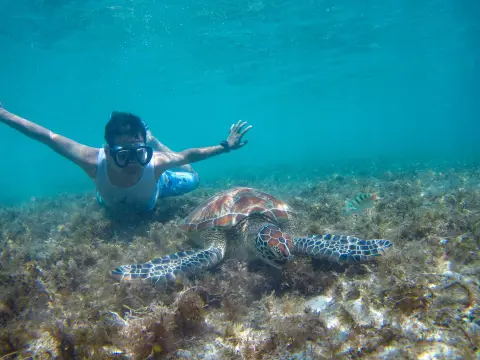
- Don't touch, stand on or kick the coral, and don't touch or chase turtles and other animals. Practise your buoyancy before you dive near the reef.
- Use reef-safe sunscreen, or a rash vest instead, and don't feed the fish.
- Pay the marine sanctuary and environmental fees: they pay for the rangers who protect the reef.
- Don't buy shells or coral, which it's illegal to take out of the country.
Whale sharks, and the Oslob debate
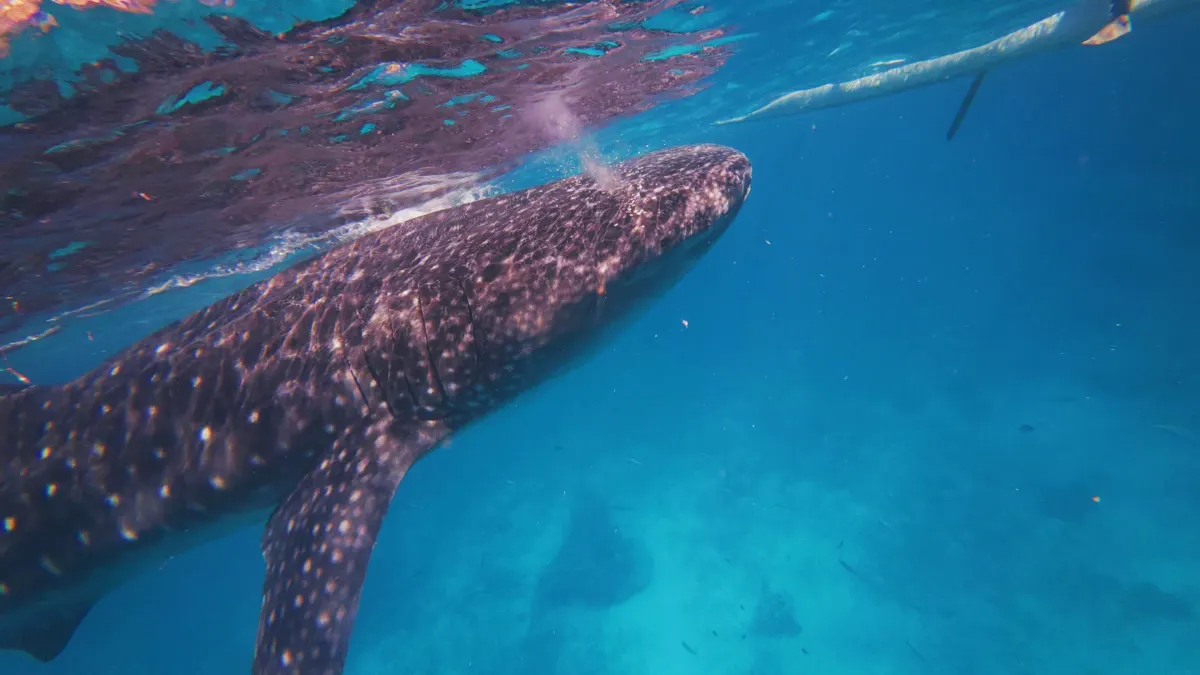
Whale sharks, the biggest fish in the world, are found in several parts of the Philippines, where they're called butanding. They're endangered, and how you see them matters.
- Oslob, in southern Cebu, is the most famous place to see them, and the most controversial. Fishermen feed the sharks with small shrimp every morning to keep them close to the shore, and boatloads of tourists swim beside them. Scientists and conservation groups have found that the fed sharks stay far longer than wild ones would, and many have injuries from boats. There are worries that it changes their natural movements and feeding, and teaches them to approach boats. Many divers and guides ask visitors not to go, and we'd suggest seeing them in the wild instead.
- Donsol, in Sorsogon (southern Luzon), is the best-known place to swim with wild whale sharks, without feeding, from about December to May. You go out in a boat with a trained interaction officer, and there's no guarantee you'll see one: the numbers have varied from year to year.
- Whale sharks are also seen in the wild in Southern Leyte (around Sogod Bay), and sometimes off Palawan and at Tubbataha.
If you swim with a whale shark: keep a distance of several metres, more from the tail; never touch it or ride it; don't use flash; don't block its path or swim in front of its head; and keep to the small group numbers per shark that the local rules set. Go with a guide who follows the rules, and leave if a boat is crowding the shark.
See also: Which islands to choose and Island hopping in the Visayas.



Comments
No comments yet.