
Money in the Philippines: pesos, ATMs, cash on the islands, GCash and tipping
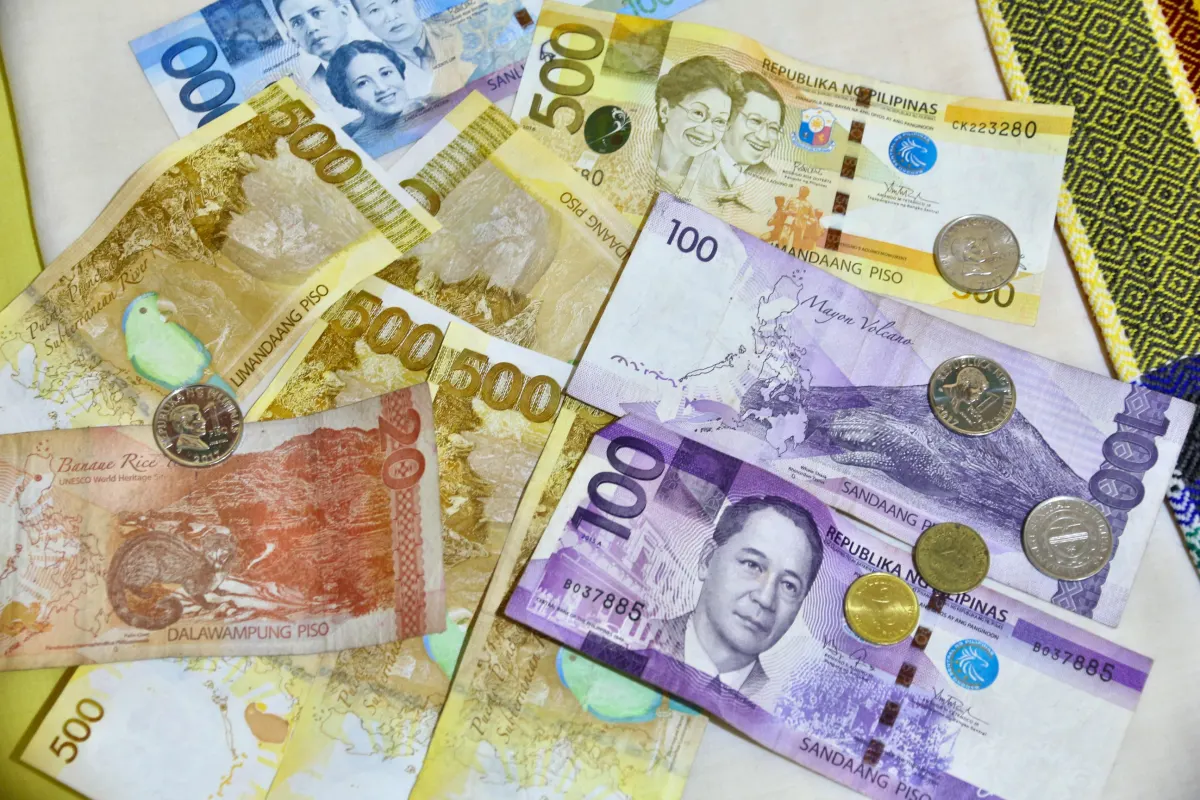
The Philippines is good value, especially for food, transport and island tours, though resorts on Boracay and Palawan can cost as much as at home. The main thing to plan for is cash: card machines and ATMs are thin on the ground on many islands.
The peso
- The Philippine peso (PHP, ₱) is divided into 100 centavos. Notes are 50, 100, 200, 500 and 1,000 pesos (new plastic notes are in use alongside the older paper ones), and coins go up to 20 pesos.
- Keep small notes and coins. Tricycle drivers, small shops and market stalls often can't change a 1,000 peso note. Break big notes in supermarkets, convenience stores and restaurants.
ATMs
- Most Philippine banks charge a fee for each withdrawal with a foreign card, often ₱250, on top of anything your own bank charges, and many machines give only ₱10,000 to ₱20,000 at a time. So take out as much as each machine allows, rather than a little often.
- When the machine offers to charge you in your home currency, choose pesos. The ATM's own exchange rate is worse.
- Use ATMs inside banks and malls, cover the keypad, and look for anything stuck over the card slot: card skimming happens.
- Bring two cards from different banks, kept apart, in case one is swallowed or blocked.
Cash on the islands
On the smaller islands, and even in El Nido, Coron, Siargao and Siquijor, ATMs are few, have queues, run out of cash, especially at weekends and holidays, and go off when the power does. Take out enough pesos in a city before you go, for your accommodation if it's paid on arrival, island tours, environmental and terminal fees, boats, tricycles and meals. Keep it in more than one place.
Cards and e-wallets
- Visa and Mastercard are accepted in hotels, malls, supermarkets, chain restaurants and for flights and ferries booked online. Smaller places often add a few per cent for cards, or don't take them.
- Filipinos pay for a lot with e-wallets, above all GCash and Maya, by scanning a QR code. You normally need a Philippine phone number and ID to use them. GCash has offered a short-term account for some visitors with foreign phone numbers: check the GCash app for what's available for your country before relying on it.
- If a card machine offers to charge you in your home currency, say no and pay in pesos.
- Grab can be paid by card in the app, which avoids needing change.
Changing money
Money changers in the cities and malls give good rates for clean, undamaged US dollars, euros, pounds and other main currencies, often better than an ATM once you count the fee. Rates at the airport and on the smaller islands are worse. You need your passport.
Tipping
- Tipping isn't required, but it's appreciated, as wages are low.
- Restaurants: many add a service charge, usually 10%, on the bill, and you don't need to add more. If there's no service charge, leaving around 10%, or rounding up, is usual in sit-down restaurants.
- Island tours and dive trips: tip the boat crew and guides, a few hundred pesos per group for a day, more if they've been good.
- Drivers and tricycles: round up, or let them keep the change. Grab drivers can be tipped in the app.
- Hotels: ₱20 to ₱50 for a porter, and something for the cleaners if you stay a while. Massages are usually tipped around ₱50 to ₱100.
Bargaining and prices
Bargain gently in markets and for souvenirs, and agree prices for tricycles, private boats and motorbike hire before you start. Prices in shops, malls and most restaurants are fixed. Prices include 12% VAT.
See also: Phones and apps and Safety and scams.



Comments
No comments yet.