
Island hopping and getting around the Philippines: flights, ferries, bangkas, Grab, jeepneys and tricycles
The Philippines is more than 7,000 islands, so getting around means flying and taking boats, and almost every trip involves a bit of both. Travel is cheap but slow: allow for delays, keep a spare day before an international flight home, and don't try to see too much.
Domestic flights
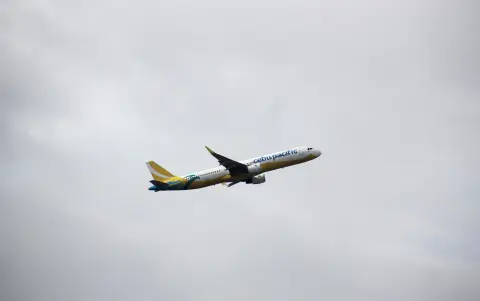
- The quickest way between island groups is to fly. The main airlines are Cebu Pacific (and its regional arm, Cebgo), Philippine Airlines (and PAL Express) and AirAsia Philippines. Smaller airlines, such as AirSWIFT, which flies small planes to El Nido, serve some islands.
- The main hubs are Manila, Cebu and Clark. Flights between other islands often go through one of them, so Cebu is a good base for the Visayas.
- Baggage: the cheapest fares on the low-cost airlines include only a small cabin bag, usually up to 7 kg, and the limit is weighed. Add checked baggage when you book online: it costs much more at the airport. Small planes, like those to El Nido, have lower limits.
- Delays: delays and cancellations are common, especially later in the day, in the typhoon season, and at Manila's crowded airport. Don't book a domestic flight on a separate ticket the same day as an international one, and leave a night in Manila or Cebu before you fly home.
- In 2026, the government declared a national energy emergency because of fuel shortages, and some flights and transport routes were cut back. Check schedules close to your trip.
Ferries
- Fast ferries link the main islands of the Visayas: Cebu to Bohol (Tagbilaran) takes about two hours, and there are fast boats from Dumaguete to Siquijor, Cebu to Leyte, and more. OceanJet, SuperCat and other operators sell tickets at the port and online.
- Bigger, slower ferries, including overnight ships between Manila and the main islands, and roll-on roll-off car ferries, cover longer distances.
- Get to the port early: you pay a terminal fee, your bags may be weighed and charged, and you may have to show ID for the passenger manifest.
- The ferry network's safety record is poor. Use the bigger, established companies, don't board a boat that looks overcrowded, and find the life jackets when you get on.
Bangkas
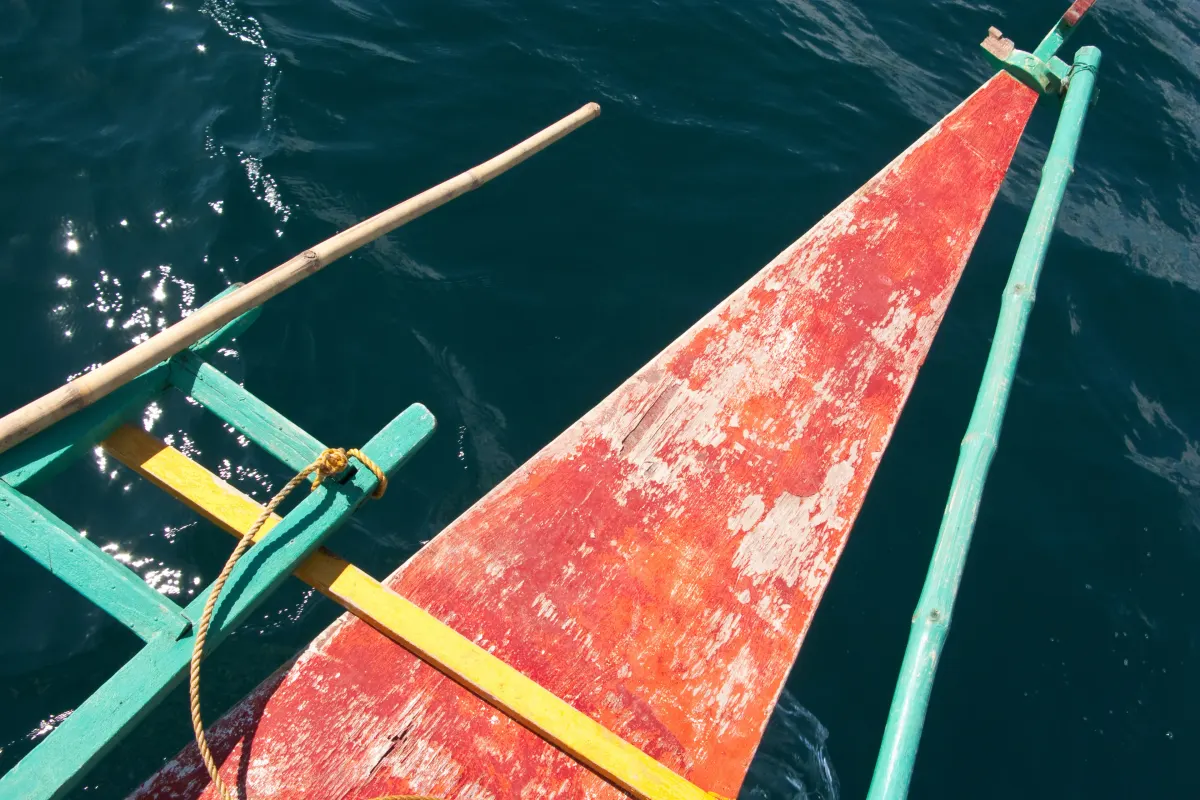
Bangkas, the wooden outrigger boats, are used for island-hopping tours, dive trips and short crossings between small islands. They're one of the joys of the Philippines, but take care:
- Wear a life jacket, or at least have one next to you, and don't go with a boatman who doesn't carry them.
- Passengers should be listed on a manifest with the Coast Guard before departure. If nobody asks your name, ask why.
- Seas are usually calmer in the morning. Don't go out in bad weather or rough seas, however keen the boatman is, and keep your phone and passport in a dry bag.
Weather cancellations
When PAGASA, the weather service, raises a tropical cyclone wind signal for an area, the Coast Guard usually suspends sea trips there, often from Signal No. 1, the lowest, for small boats and sometimes for all ferries. Sea trips are also stopped in rough seas without a typhoon, for example on east- and north-facing coasts during the northeast monsoon from about November to March. Island tours and ferries can then be cancelled for days, so leave slack in your plans and check before you set off. See Weather and typhoons.
On land
- Grab, the ride-hailing app, works in Manila, Cebu, Davao, Iloilo, Bacolod, Dumaguete, Baguio and other cities, and is the easiest way to take a car without arguing about the fare. It isn't available on most small islands. Angkas and Grab's motorbike taxis are faster in Manila's traffic.
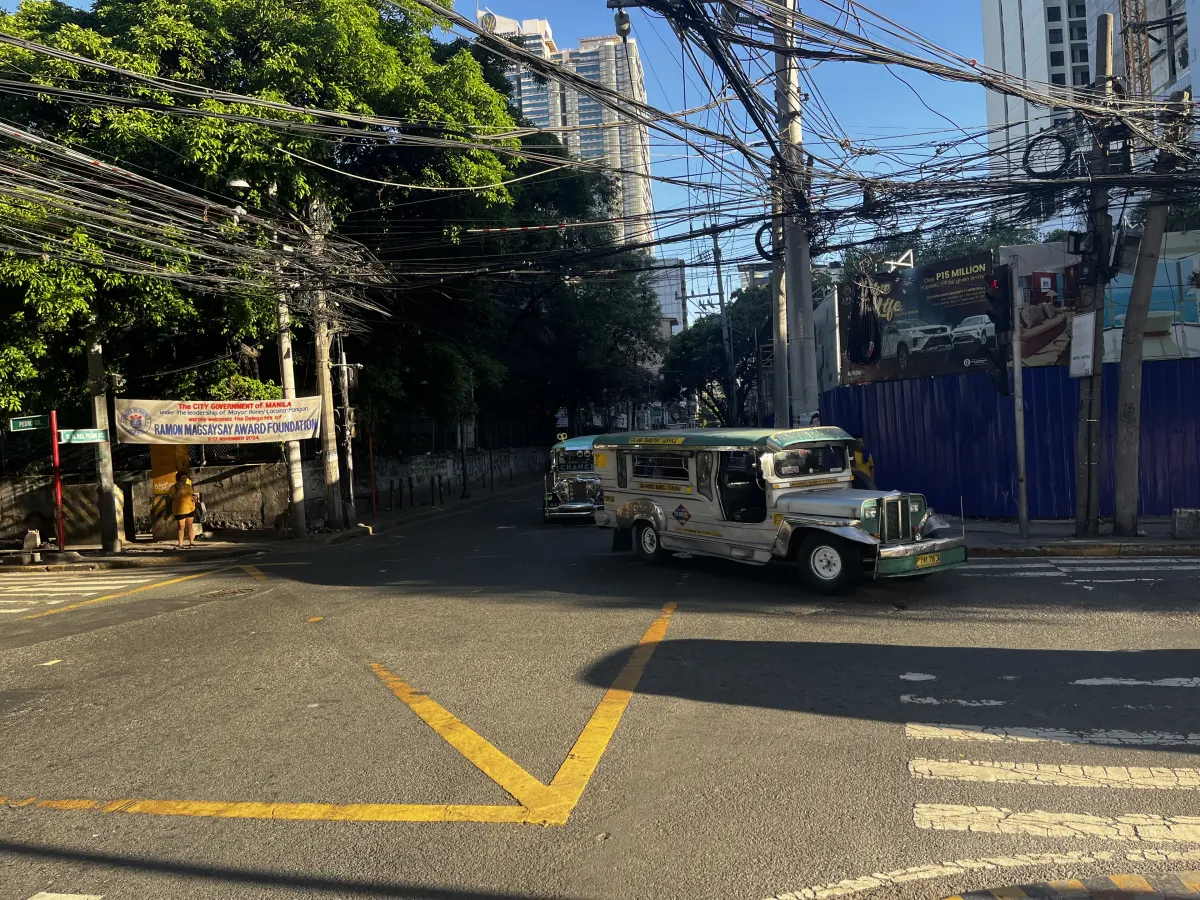
- Jeepneys, the long, colourful buses developed from American army jeeps, run fixed routes, with the destinations painted on the side. Fares are a few tens of pesos. Pass your fare forward to the driver, saying "bayad po" ("here's my fare"), and say "para po" to stop. The old jeepneys are being replaced by modern minibuses, some of which take cards.
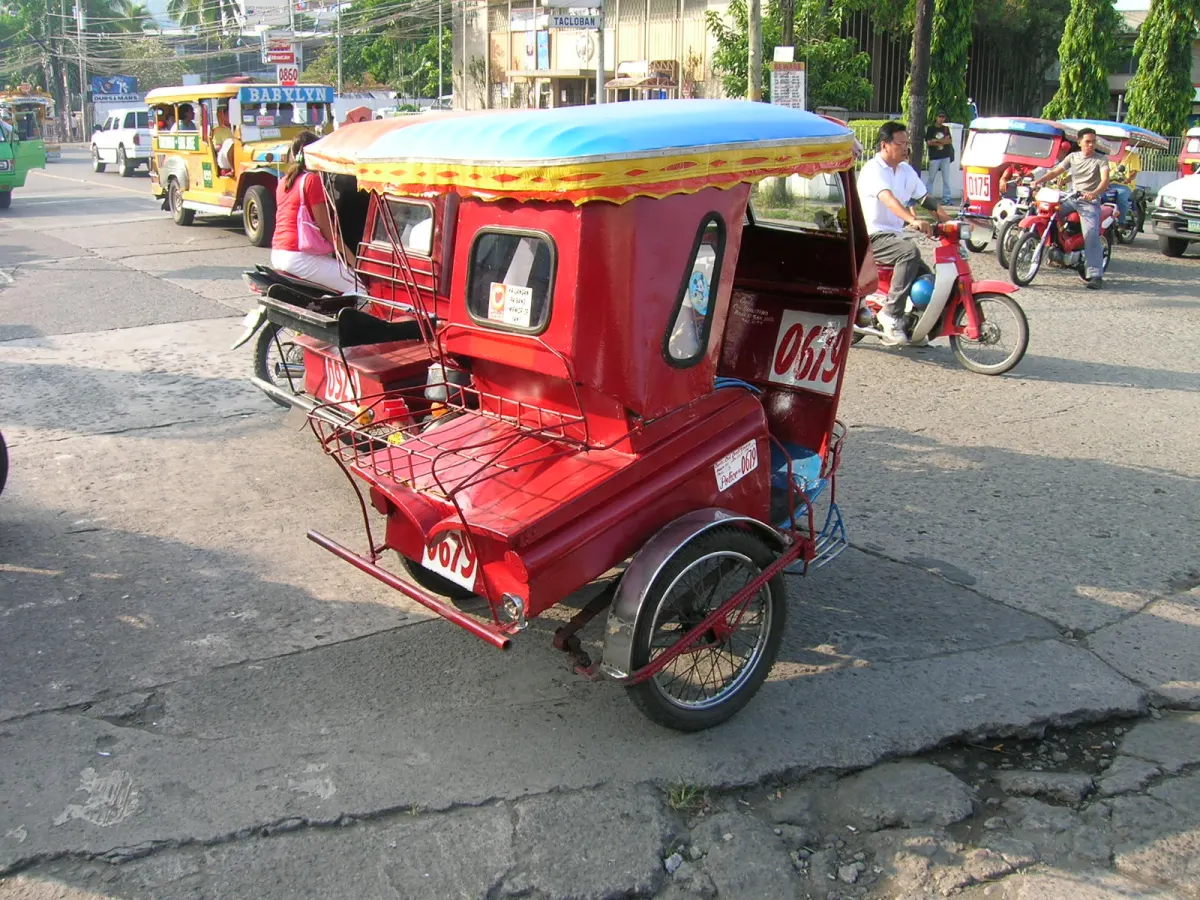
- Tricycles, motorbikes with a sidecar, cover short distances in towns and on the islands. Agree the price before you set off.
- Vans and buses run between towns. Air-conditioned vans are the usual way from Puerto Princesa to El Nido, for example (about five or six hours). Book through your hotel, or at the terminal.
- Manila's traffic is among the worst in the world: allow a lot of time to cross the city, especially in the afternoon rush. Its train lines, LRT-1, LRT-2 and MRT-3, are quicker, but crowded at rush hour; pay with a beep card.
- Motorbikes can be hired on many islands, such as Siargao, Siquijor and Bohol. You need a licence that covers motorbikes, a helmet, and travel insurance that covers you.
See also: Which islands to choose, and the itineraries 7 days in Palawan, Two weeks in the Philippines and Island hopping in the Visayas.


Comments
No comments yet.