
Health in the Philippines: dengue, rabies, sun and water
The Philippines is a healthy place to travel if you take a few precautions. The biggest risks are mosquitoes, dogs, the sun, and being on a small island a long way from a good hospital. See your doctor or a travel clinic at least eight weeks before you go.
Insurance and hospitals
- Get travel insurance that covers medical treatment and evacuation, motorbikes if you'll ride one, and diving if you'll dive.
- Private hospitals in Manila and Cebu are good, but expensive, and expect payment or a guarantee from your insurer before they treat you.
- On small islands, there may be only a basic clinic. Serious cases have to go by boat or plane to a city, which takes time, especially in bad weather.
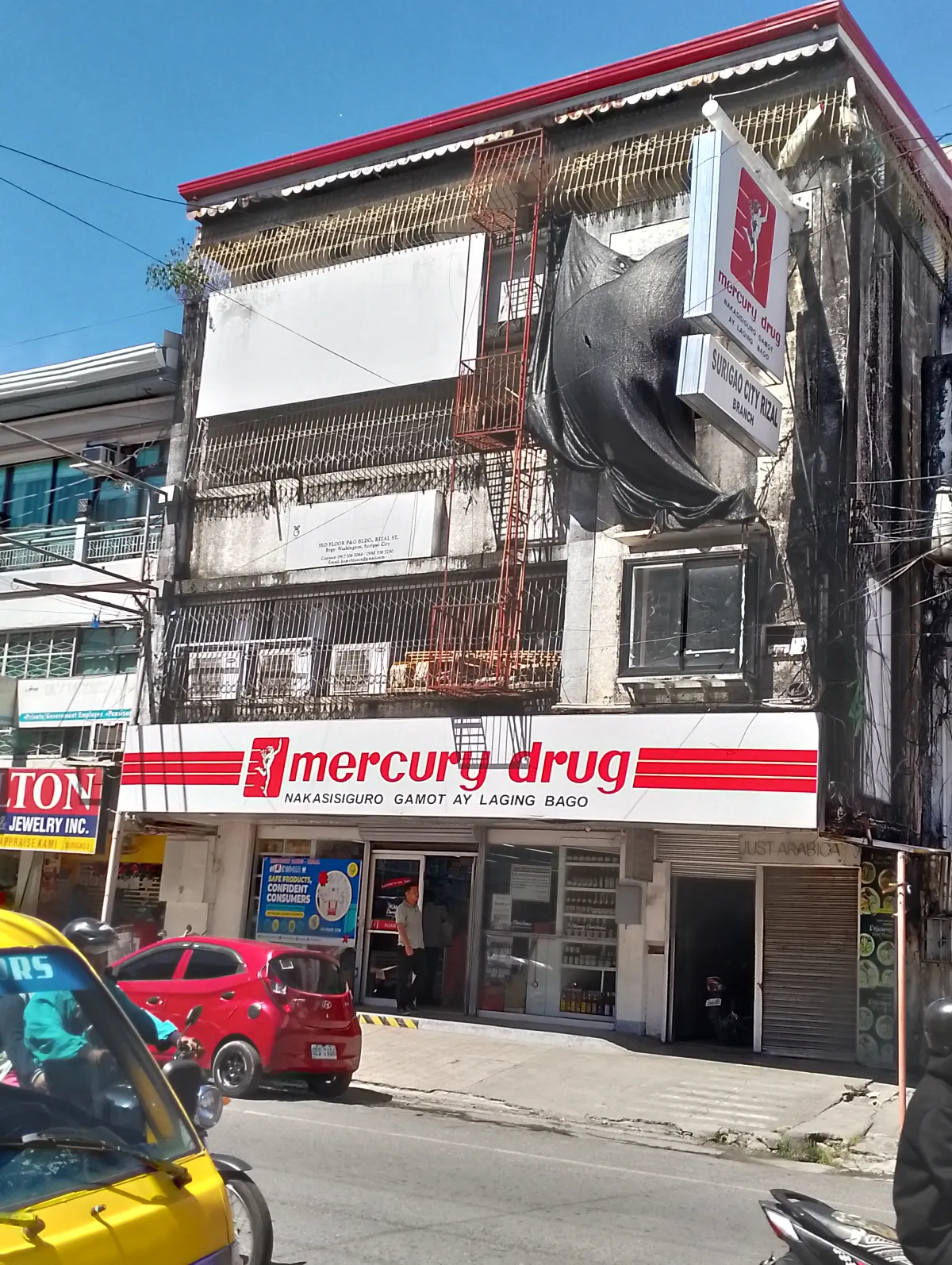
- Pharmacies, such as Mercury Drug, are everywhere in towns and sell many medicines without prescription. Bring enough of your own medicines, in their original packs.
- Call 911 in an emergency.
Mosquitoes
- Dengue is common all year, in cities as well as the country, and worst in the wet season, from about June to October. It's spread by mosquitoes that bite during the day. It causes high fever and pain, and can be serious; there's no specific treatment.
- Use insect repellent (with DEET, picaridin or similar) day and night, wear long sleeves at dawn and dusk, and sleep under a net or with screens or air conditioning.
- If you get a high fever, see a doctor, and don't take aspirin or ibuprofen until dengue has been ruled out.
- Japanese encephalitis, Zika and chikungunya are also spread by mosquitoes. Malaria is found only in a few remote areas, including parts of southern Palawan: ask a travel clinic whether you need tablets for where you're going.
Rabies
- The Philippines has one of the highest numbers of rabies cases in the world, mostly from dogs. There are stray and free-roaming dogs everywhere.
- Don't touch or feed dogs, cats or monkeys, however friendly they look, and keep away from dogs that are fighting or acting strangely.
- If you're bitten or scratched, wash the wound with soap and running water for 15 minutes, and go straight to a doctor or one of the many animal bite centres for rabies vaccine. Don't wait to see if the animal gets ill: rabies is almost always fatal once symptoms start.
- Ask your travel clinic about a course of rabies vaccine before you go, especially if you'll be in remote places far from treatment.
Sun and heat
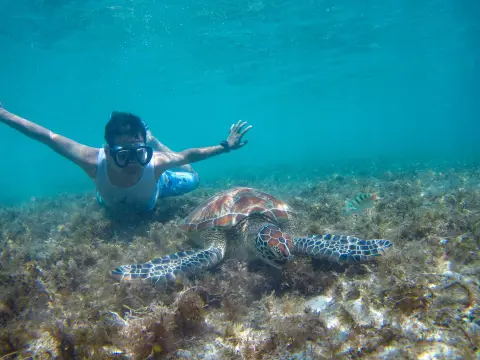
- The sun is fierce, especially on boats and beaches, and you burn quickly while snorkelling. Wear a rash vest, a hat and sunglasses, and use reef-safe sunscreen.
- From March to May, the heat index often goes over 40°C. Drink plenty of water, rest in the middle of the day, and watch for signs of heat exhaustion: headache, dizziness and nausea.
Water and food
- Don't drink tap water. Drink bottled water, or water from refilling stations, and use it to brush your teeth on the islands. Ice in restaurants is usually made from purified water.
- Street food is generally safe if it's cooked fresh and hot in front of you. Be careful with raw seafood, and salads, in places that look less clean.
- Don't eat shellfish from areas where the authorities have warned of red tide, which makes them poisonous: warnings are posted by BFAR, the fisheries bureau.
- Get vaccinated against hepatitis A and typhoid, and carry rehydration salts.
Flood water and the sea
- Don't wade through flood water after heavy rain or a typhoon: it can carry leptospirosis, a bacterial infection that can be serious. If you've waded through flood water and get a fever, see a doctor and tell them.
- Some beaches have box jellyfish and other stingers, especially in the warmer months. Swim where there are stinger nets if there are any, and if you're stung, pour vinegar on the sting and get help.
- Don't touch cone shells, stonefish, sea urchins and lionfish, and wear shoes on rocky beaches and reefs.
- For diving safety, see Diving and snorkelling.
Other things
- Check that your routine vaccinations are up to date, and see the UK's TravelHealthPro or your own country's travel health advice for the Philippines.
- Coming from a country with yellow fever, you need a vaccination certificate.
- Air pollution in Manila can be bad in heavy traffic.
- Motorbike accidents are one of the commonest reasons travellers need hospital: always wear a helmet.
See also: Safety and Weather and typhoons.



Comments
No comments yet.