
Culture and etiquette in Brazil: Portuguese not Spanish, greetings, beaches and everyday manners
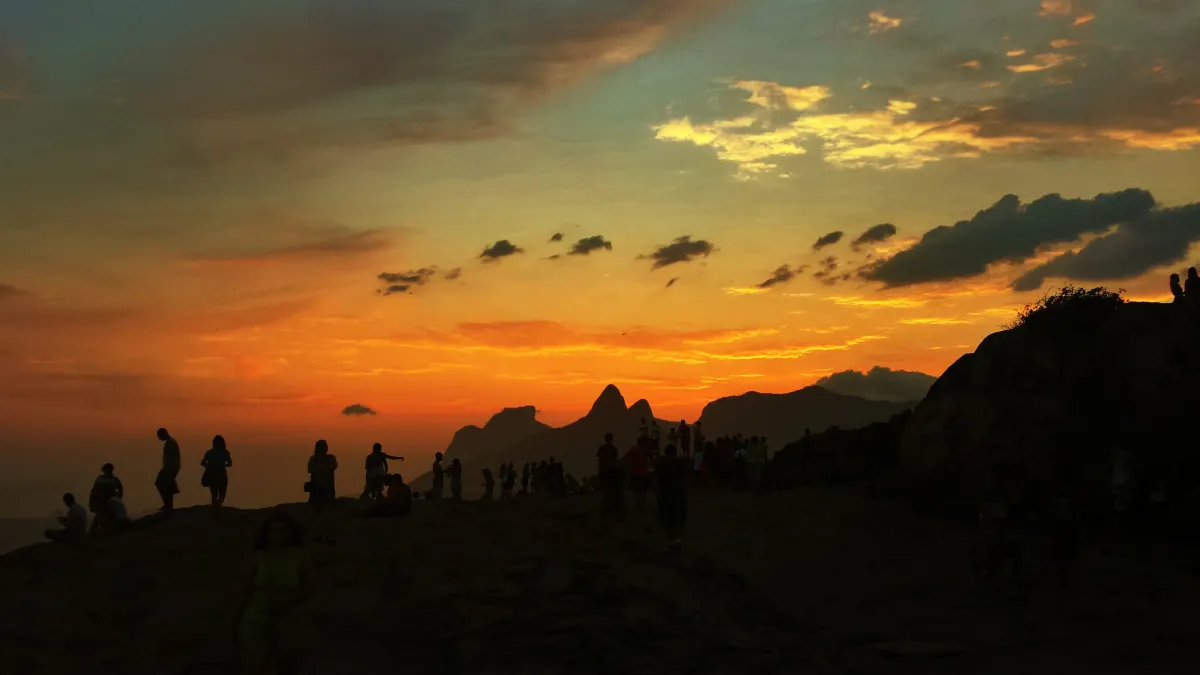
Brazilians are famously warm and informal, and forgiving of foreigners who try. The most useful thing is a few words of Portuguese, because English isn't widely spoken outside big hotels and tourist sites.
Portuguese, not Spanish
- Brazilians speak Portuguese, and don't like being greeted in Spanish as if it were the same. If Spanish is all you have, use it politely, and say you're trying.
- Start with bom dia (good morning), boa tarde (afternoon), boa noite (evening), por favor (please), obrigado (thanks, if you're a man) or obrigada (a woman), tudo bem? (how are you?), com licença (excuse me, to pass) and desculpa (sorry).
- Brazilian Portuguese sounds softer than Portugal's. An r at the start of a word is like an h (Rio is "hee-oo") and ão is nasal, like "owng".
Greetings
- Men usually shake hands, and women, or a man and a woman, kiss on the cheek: one, two or three times, depending on the region. Follow the other person. Hugs are common among friends.
- People stand close and touch your arm. It's friendly, not rude.
- Say hello and goodbye to everyone in a small group, and ask "tudo bem?" before you ask for anything.
- Use você for "you"; o senhor or a senhora for older people.
Time and queues
- Social plans run late, and "I'll call you" may be a kind no. But be on time for tours, buses and business.
- Older people, pregnant women and people with disabilities have priority queues and seats by law.
Beach and dress
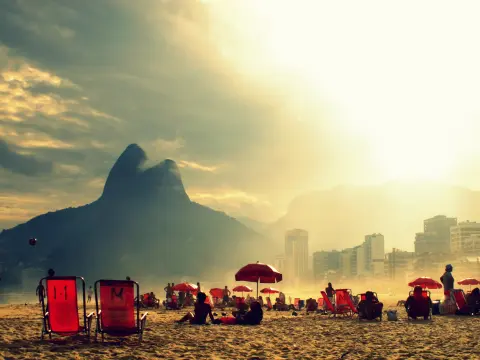
- Beachwear is tiny, but going topless isn't usual and can be treated as an offence. Off the sand, cover up: wear a T-shirt and shorts or a dress into shops and restaurants. For churches, cover your shoulders and knees.
- Dress casually and neatly. Leave the flashy watch at home.
Eating and drinking
- Lunch is the main meal, often from noon to 2pm; dinner is late.
- In bars, beer comes ice-cold in bottles to share, with small glasses; share with those at your table. See Food and drink.
- Cutlery is used for nearly everything, including pizza, and even sandwiches.
- Say "saúde" when you drink.
Religion and belief
- Most people are Catholic or evangelical, and Afro-Brazilian religions such as Candomblé and Umbanda are important, especially in Bahia. Some ceremonies welcome guests: go with a guide, wear white or light clothes, sit where you're told, and don't take photos without permission.
- Respect the history of slavery at the places where it's told, such as Pelourinho. Capoeira, a martial art and dance, came from enslaved Africans: give something if you watch a street performance.
Things to avoid
- The OK sign (thumb and finger in a circle) is rude in Brazil. A thumbs up is friendly.
- Don't criticise Brazil, football or politics too freely. It's a subject for Brazilians.
- Don't photograph people, police or military sites without asking. In Indigenous communities, ask first.
- In many places toilet paper goes in the bin beside the toilet, not into it: look for a sign.
- Don't assume everyone is rich, or poor, or the same: Brazil is very mixed.

Comments
No comments yet.