
When to go to Germany: the seasons and weather, public holidays, Carnival, Oktoberfest, walking and skiing
The best months for most trips are May, June and September: long or mild days, gardens and vineyards at their best, and everything open. December is the other high point, for the Christmas markets. Bring a rain jacket in any month.
Spring (March to May)
- March is still cold. April is changeable. By May it's 15 to 22°C, with beer gardens open and orchards in blossom.
- Boats, castles, cable cars and gardens open from Easter to the start of May. It's asparagus season from mid-April.
- May has several long weekends, when Germans travel and prices rise.
Summer (June to August)
- Usually 22 to 28°C, with spells over 33°C and sudden thunderstorms. It's light until after 9.30 pm in June, and later in the north.
- School holidays run from late June to mid-September, staggered by state. The Baltic and North Sea coasts, the Alps and Lake Constance (Mainau) are full. Cities are quieter, and some opera houses close.
- Best for lakes, long walks in the Berchtesgaden Alps, and open-air concerts.
Autumn (September to November)
- September is settled and warm. The grape harvest and wine festivals are on along the Mosel and Rhine into October.
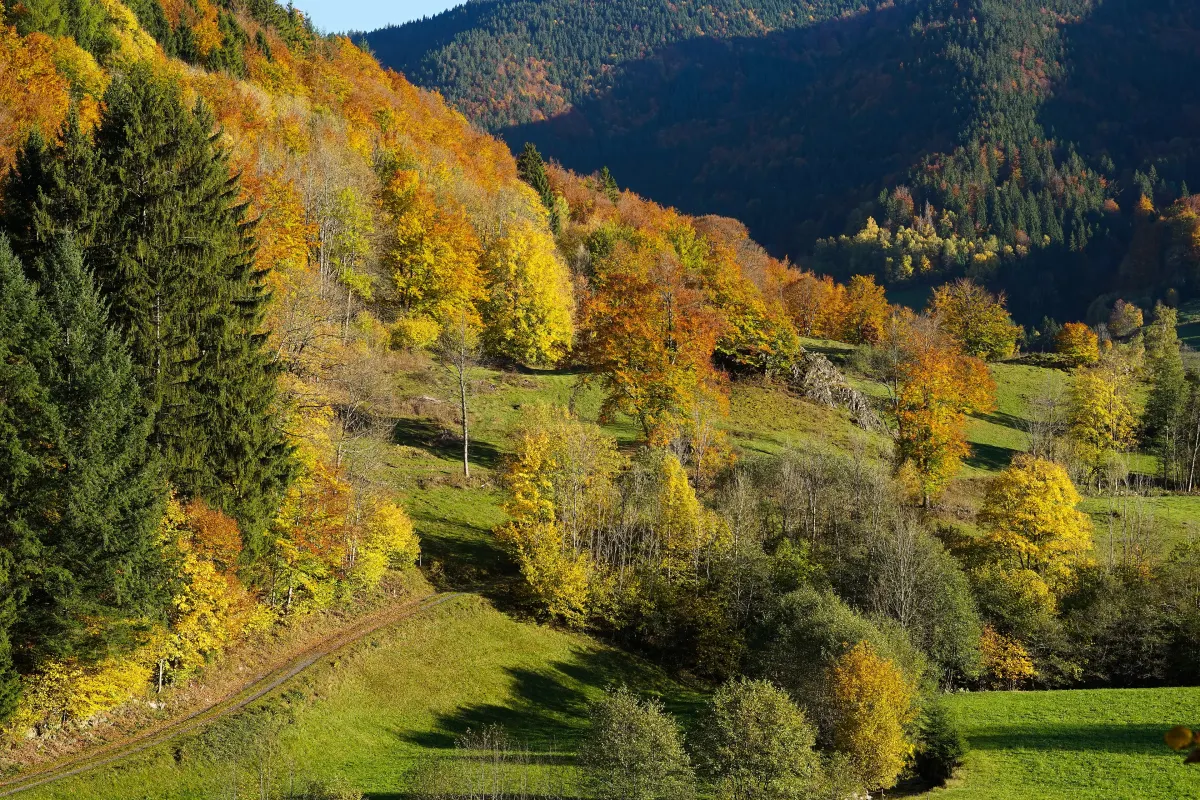
- The leaves turn in October: try the Bavarian Forest, the Harz or the beech woods of Jasmund.
- November is grey and wet. Boats stop, many castles and cable cars close, and it's the best month for museums and hot springs.
Winter (December to February)
- Around 0 to 5°C, colder in the south and east, with short days: dark by 4 pm. Snow comes and goes in the cities and lies in the mountains.
- Skiing is at Garmisch-Partenkirchen, on the Zugspitze (the longest season), Oberstdorf, the Feldberg in the Black Forest and Winterberg. Low resorts often lack snow.
- Christmas markets run from mid or late November to 23 or 24 December. Most things shut from 2 pm on 24 December until the 27th.
By region
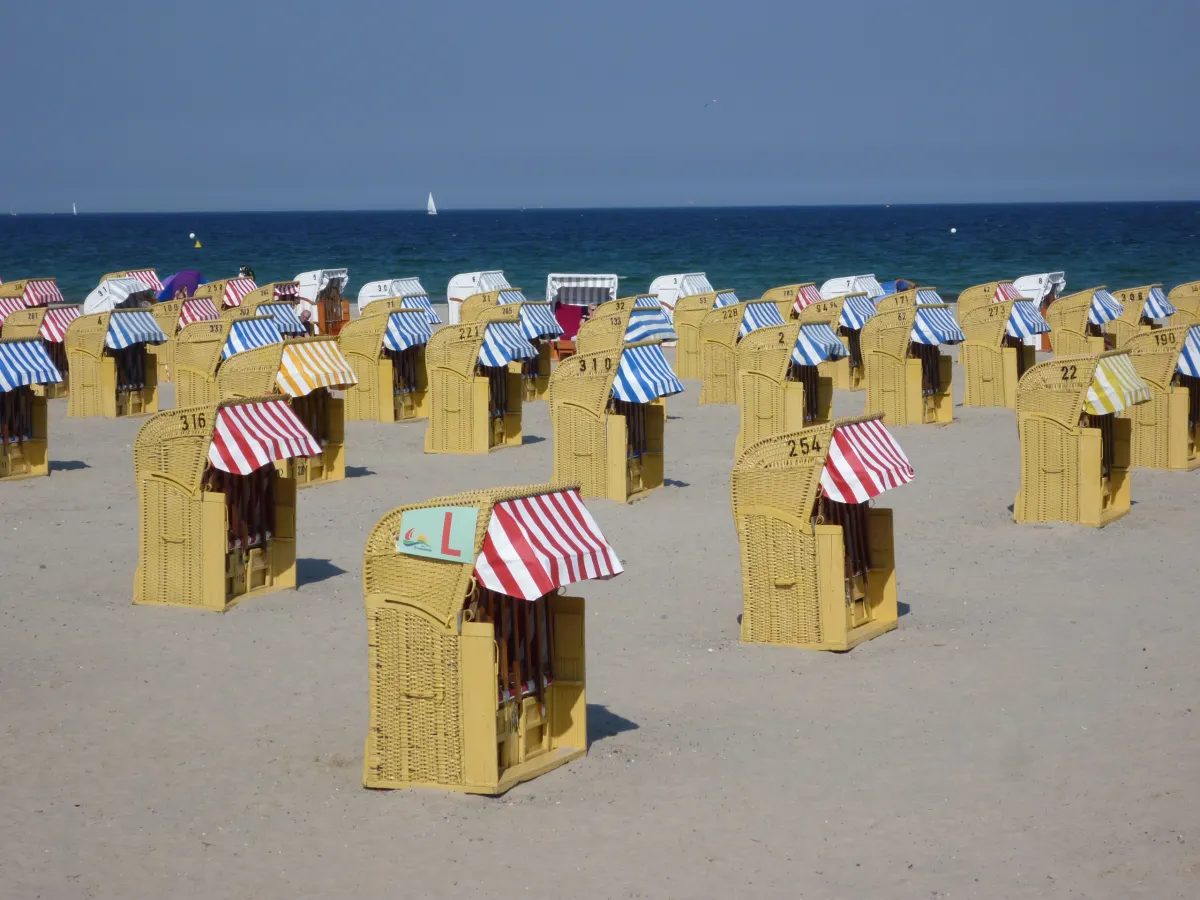
- North Sea and Baltic: windy and mild. Swim from mid-June to early September, when the water is 16 to 20°C. A wicker Strandkorb keeps off the wind.
- Rhine, Mosel and Baden: the warmest corner, with spring in late March.
- Berlin, Saxony and the east: drier, hotter in summer, and colder in winter.
- Munich and the Alps: wetter, with most rain in summer storms. Mountain paths and huts are open from about mid-June to early October. A warm, dry wind, the Föhn, brings clear days and headaches.
Public holidays in 2027
- Everywhere: 1 January, Good Friday (26 March), Easter Monday (29 March), 1 May, Ascension (6 May), Whit Monday (17 May), 3 October (German Unity Day), 25 and 26 December. Shops are shut.
- In some states: 6 January, 8 March (Berlin and Mecklenburg-Vorpommern), Corpus Christi (27 May, in the south and west), 15 August (Saarland and Catholic parts of Bavaria), 20 September (Thuringia), 31 October (the north and east), 1 November (the south and west) and Repentance Day in Saxony (17 November).
- If one falls on a Thursday, many people take the Friday off too.
Festivals
- Carnival: Cologne, Düsseldorf and Mainz, from Thursday 4 February to Rosenmontag, 8 February 2027, with the great parades. Cologne is closed for ordinary business and full of people in costume. In the Black Forest, the Fasnet has old carved masks.
- Walpurgis Night, 30 April: witches and bonfires in the Harz.
- Whitsun: the Wave-Gotik-Treffen in Leipzig, and Carnival of Cultures in Berlin.
- Kiel Week in June: sailing and music. The Rhine in Flames fireworks are on several weekends from May to September.
- Bayreuth Wagner festival, late July to August. Christopher Street Day parades all summer, with Berlin's in July.
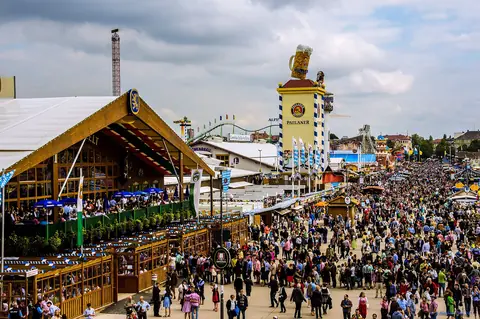
- Oktoberfest, Munich: 18 September to 3 October 2027. It's free to get in. In 2026 a litre of beer cost €14.80 to €15.90. Bags bigger than 20 x 15 x 10 cm aren't allowed. Book rooms many months ahead, or come on a weekday before noon. Stuttgart's Cannstatter Volksfest, at about the same time, is easier.
- Unity Day, 3 October, has an official festival in a different city each year.
- St Martin's, 11 November: lantern processions, and the start of the carnival season at 11.11 am in Cologne.
Tours and activities
Oktoberfest, Munich
Munich, Bavaria
The world's biggest beer festival, 16 to 18 days ending on the first Sunday in October, with huge beer tents serving litre mugs of Munich beer, roast…
Natural features
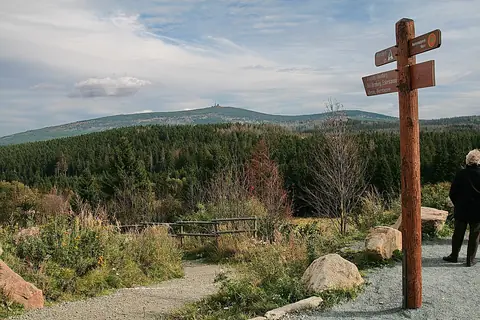
Harz National Park and the Brocken
Wernigerode, Saxony-Anhalt
Forested mountains with the Brocken, the highest peak in northern Germany, linked to witches and Goethe's Faust.
For forecasts and warnings, use the German Weather Service. See also Getting around and Booking sights.



Comments