
Money in Germany: cards and cash, Sunday closing, tipping, bottle deposits, tax-free shopping and city tax
Germany uses the euro. Cards are accepted far more than they used to be, but Germany still likes cash more than its neighbours do. Keep €50 to €100 on you, and shop on Saturday: nearly everything is shut on Sunday.
Cards and cash
- Supermarkets, chains, hotels, trains and most restaurants take contactless cards and phones. Visa and Mastercard are the safest. American Express is often refused.
- Some bakeries, kebab shops, small cafés, pubs, beer gardens, markets, taxis and doctors still take cash only. Look for Nur Barzahlung, or ask: Kann ich mit Karte zahlen?
- EC-Karte or Girocard means a German bank card, which isn't the same as a credit card. Try yours anyway.
- The government has proposed a law to make shops and restaurants offer at least one way to pay electronically, perhaps from 2027. It had not been passed in November 2026.
- If the terminal offers your own currency, choose euros. Notes of €100 and €200 are often refused in small shops.
Cash machines
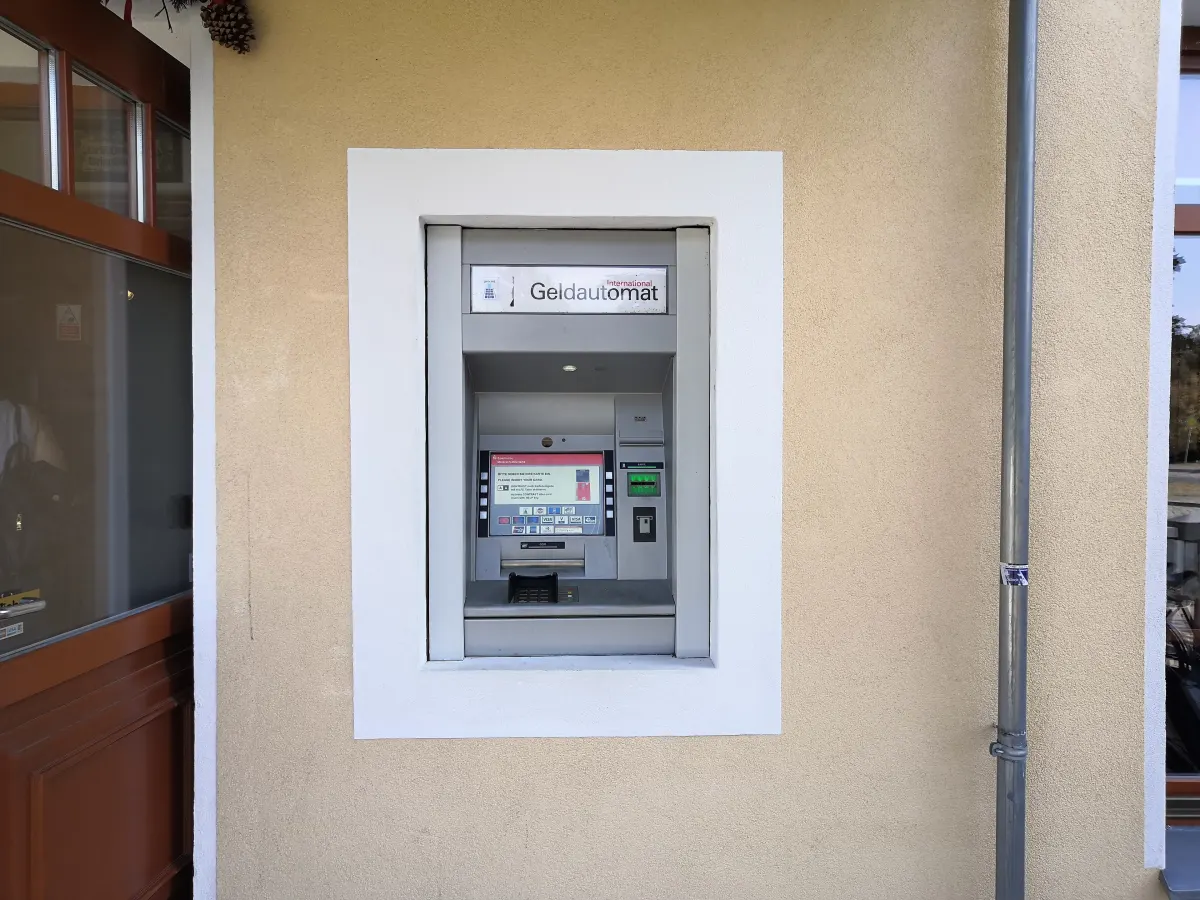
- Use a bank's Geldautomat: Sparkasse, Volksbank, Deutsche Bank, Commerzbank or Postbank. They charge visitors a fee, shown on the screen. Standalone machines in tourist streets and stations cost more, and push conversion: decline it.
- Many bank lobbies are locked at night, as gangs have blown up machines.
Sundays and public holidays
- Shops and supermarkets close on Sundays and public holidays, by law. Open ones include bakeries for a few hours, petrol stations, museums, restaurants, and shops in big railway stations and airports.
- On weekdays and Saturdays most supermarkets are open to 8 pm or later. In Bavaria they close at 8. Small-town shops may shut at lunch and on Saturday afternoon.
- Pharmacies take turns to open: see Health. Towns can hold a few open Sundays a year (verkaufsoffener Sonntag).
- 24 and 31 December: shops close at about 2 pm.
Tipping
- Service is included, but it's normal to round up or add 5 to 10% in restaurants, and a little in cafés and taxis.
- Say the total as you pay, rather than leaving coins on the table. If the bill is €27.40, hand over €30 and say "dreißig" (or "stimmt so", keep the change).
- Card terminals now often suggest 10, 15 or 20%. You can press no tip or your own amount.
- You may be asked zusammen oder getrennt?: together or separately. Splitting the bill is normal.
Pfand: the bottle deposit
- Most drinks in cans and plastic bottles carry a 25 cent deposit (Einweg). Reusable beer bottles are usually 8 cents, and other reusable bottles 15. It's added at the till, and not in the shelf price.
- Put empties in the machine at a supermarket, take the slip, and hand it over at the till. Don't crush them. Shops take back the kinds they sell.
- If you don't want the money, leave the bottle beside the bin. People collect them for a living.
- Beer gardens, festivals and Christmas markets charge a deposit of a few euros on the glass or mug. Take it back, or keep it as a souvenir.
What things cost, and saving money
- Munich, Hamburg, Frankfurt and the Alps are dear. Leipzig, Dresden, the Harz and most of the east are cheaper, and so are bakeries, market halls and the weekday Mittagstisch (lunch special).
- Tap water is good, but restaurants may not serve it. Ask for Leitungswasser, and expect to pay for bottled.
- Public toilets cost 50 cents to €1.50. Motorway ones give back a voucher.
- Museums: see Booking sights for free days and passes.
- Trade fairs, Oktoberfest and Christmas market weekends can triple hotel prices. Look at the fair calendar for Frankfurt, Cologne, Düsseldorf, Hanover and Munich.
City tax and spa tax
- Many cities add a tax to the room. Berlin takes 7.5% of the room price, Cologne 5%, Dresden about 6%, and Stuttgart 5% since July 2026. Hamburg charges a fixed sum by price band, and Leipzig a daily guest tax. Munich has none: Bavaria doesn't allow it.
- In spa towns, on the coast and in the Alps you pay a Kurtaxe of a few euros a day. The guest card that comes with it often gives free buses: ask for it.
Tax-free shopping
- If you live outside the EU (Northern Ireland has its own rules), you can get back VAT on goods of more than €50 from one shop. Tell the shop before you pay, show your passport, and ask for the export form or a tax-free one.
- Show the goods, unused, and the form to customs where you leave the EU, within three months. Goods in checked luggage must be stamped before you check it in, at your first airport. Goods in hand luggage are stamped at the last EU airport.
See also Food and drink and Culture and etiquette.
Comments