
Culture and etiquette in Germany: greetings, punctuality, quiet hours, saunas, recycling and smoking
Germans are direct, fair and more relaxed than their reputation, but there are rules, and a stranger may well point one out. It isn't meant rudely. Knowing a few saves embarrassment, and in a sauna, a great deal of it.
Greetings
- Say Guten Tag (or Guten Morgen, Guten Abend) when you enter a shop, waiting room or lift, and Tschüss or Auf Wiedersehen when you leave. In Bavaria it's Grüß Gott and Servus, and in the north Moin, at any time of day.
- Shake hands, look at the person, and give your name. Friends hug.
- Use Sie and a surname with adults you don't know, until you're offered du. Among younger people, and in Berlin, du is common from the start.
- Bitte (please, you're welcome), danke (thank you), Entschuldigung (excuse me). Most people under 50 speak some English. Ask first: Sprechen Sie Englisch?
Time
- Be on time, to the minute for a tour or restaurant, and no more than five minutes late for a friend. Message if you'll be late. The trains are no excuse, though they're a good one.
- Halb acht is 7.30, not 8.30: "half eight" means half way to eight. The 24-hour clock is normal, and dates are day, month, year.
Quiet
- Night rest (Nachtruhe) is usually 10 pm to 6 am. House rules often add a midday rest, about 1 to 3 pm.
- On Sundays and public holidays there's no drilling, lawn mowing, or noisy bottle bank. Shops are closed too: see Money.
- Landlords and neighbours take it seriously, above all in holiday flats. Speak quietly on trains: Ruhebereich coaches are for silence.
- On Good Friday and a few other days, loud dances are banned in many states.
On the street
- Wait for the green man, even with no cars about, and above all when children are near. Crossing on red can cost a small fine, and a telling-off.
- Don't walk on the cycle path, often a red strip on the pavement. Cyclists come fast and ring.
- Let people off the train first. Stand right, walk left on escalators.
Saunas and nudity
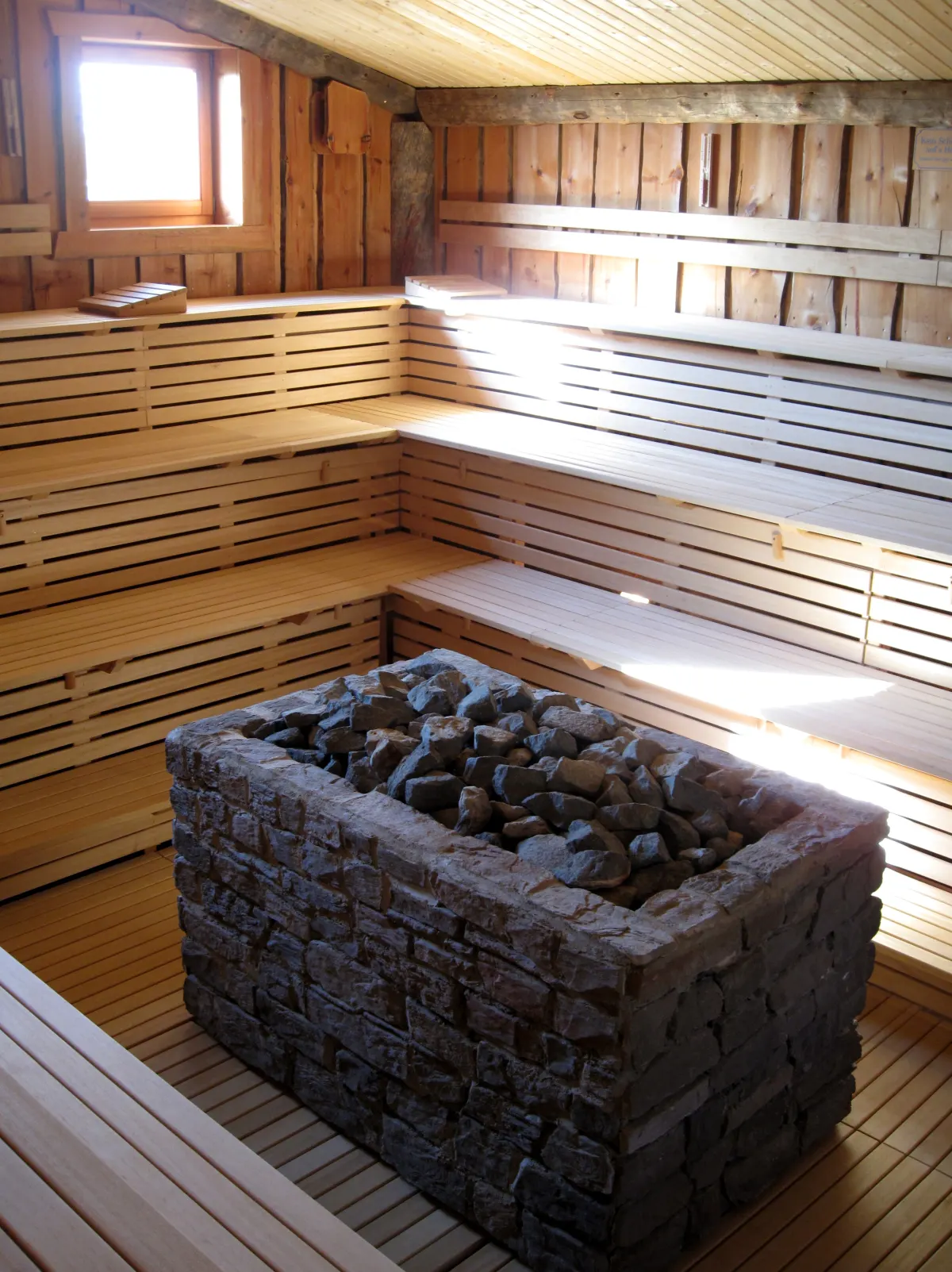
- In German saunas and the sauna part of a spa (Therme) you are naked, and they are usually mixed. Swimsuits aren't allowed, for hygiene. Many have a women's day (Damensauna).
- Shower first. Sit or lie on a big towel, so that no skin, feet included, touches the wood. Wear a robe outside.
- Keep quiet, don't stare, and never take a phone in. Don't go in or out during an Aufguss, when water is poured on the stones.
- In the pool area of the same spa, you do wear a swimsuit.
- FKK marks a nude beach or lakeside area. It's common on the Baltic, in Berlin's lakes and in Munich's English Garden.
Sorting the rubbish
- Yellow bin or sack: plastic, cans and cartons. Blue: paper. Brown or green: food and garden waste. Black or grey: the rest. Colours vary a little.
- Glass without a deposit goes to a bottle bank, sorted into white, brown and green (blue goes with green), and not at night or on Sundays.
- Bottles and cans with a deposit go back to the shop: see Money. In a holiday flat, ask what goes where.
Smoking
- It's banned in public buildings, on trains and in most restaurants, but each state has its own rules: some let small bars allow it. Stations have marked smoking areas.
- Baden-Württemberg tightened its law on 1 June 2026. Smoking and vaping are banned at bus and tram stops, playgrounds, outdoor pools, zoos and amusement parks, with fines of up to €200. Beer tents are exempt.
The past
- Germans talk openly about the Nazi period and the division of the country, but not lightly. Hitler salutes, swastikas and similar symbols are crimes, jokes included, and visitors have been arrested.
- At memorials such as Dachau, the Topography of Terror and the Holocaust Memorial in Berlin, dress and speak quietly, and don't pose for selfies or climb on the stones.
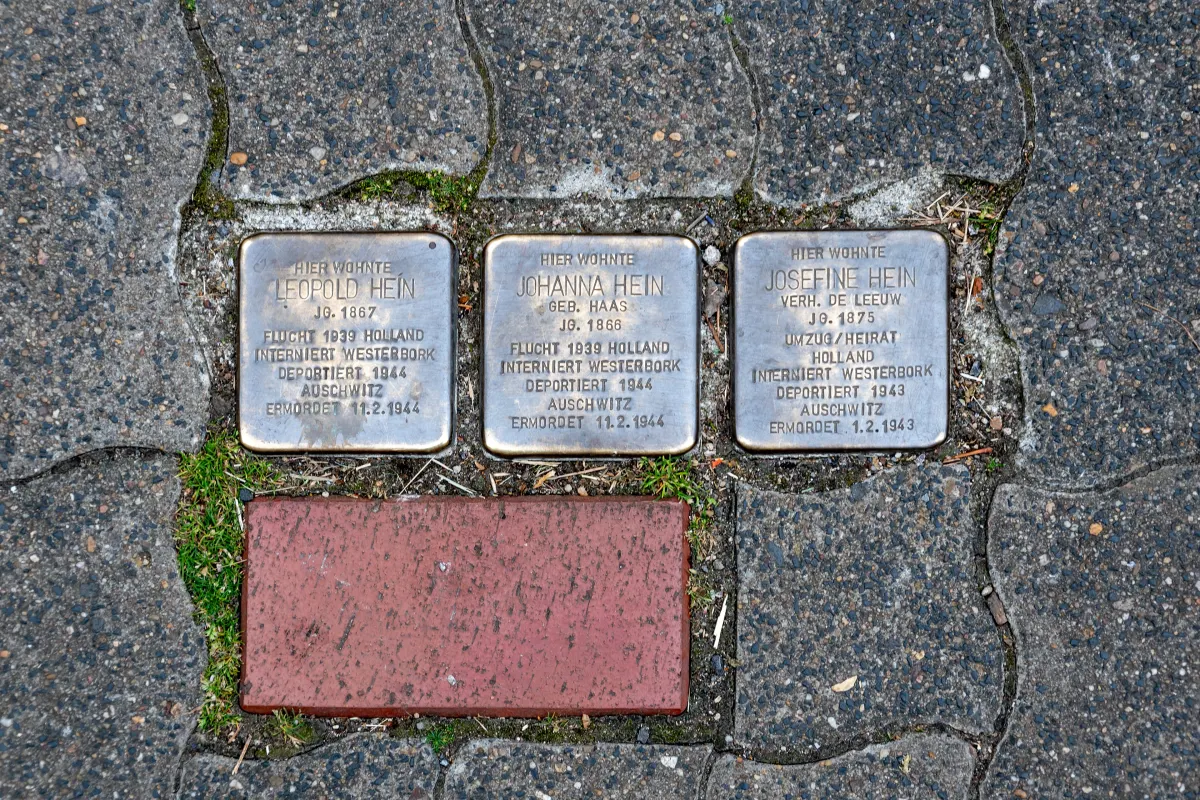
- Look down for Stolpersteine, small brass plates in the pavement with the names of people who were murdered, outside their last homes.
- The old East and West still differ. In Berlin you can see both.
Photos and privacy
- People value privacy. Don't photograph strangers, and above all children, without asking.
- Drones need registration and insurance, and are banned over crowds, railways, nature reserves and most city sights.
Being a guest
- Bring flowers (an odd number, unwrapped from the paper), chocolate or wine. Take off your shoes if your hosts do.
- Never say happy birthday early: it's thought to bring bad luck.
- Wait for Guten Appetit to eat and Prost to drink.
Historic sites
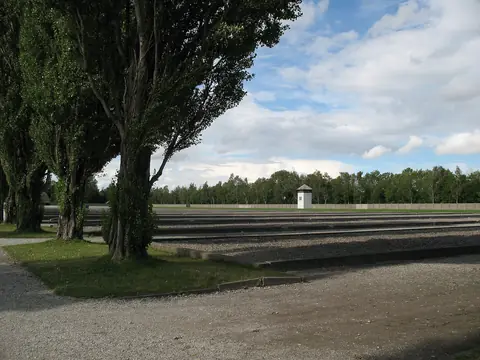
Dachau Concentration Camp Memorial Site
Dachau, Bavaria
The first Nazi concentration camp, opened in 1933 and the model for those that followed.
Historic sites
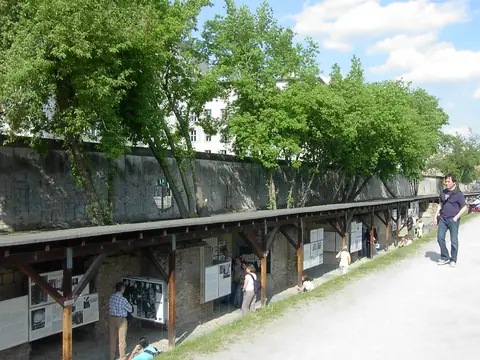
Topography of Terror, Berlin
Berlin
A free documentation centre on the site of the Gestapo and SS headquarters, telling the story of Nazi terror, with a surviving section of the Berlin …
Attractions
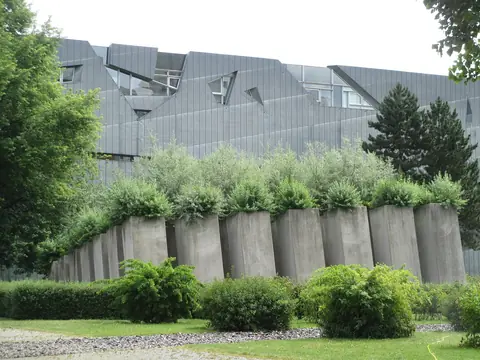
Jewish Museum Berlin
Berlin
German Jewish history in Daniel Libeskind's zigzag building, with voids and the Garden of Exile.
See also Food and drink and Getting around.


Comments