
Health and insurance in Germany: emergencies, doctors, pharmacies, GHIC and EHIC, ticks and medicines
Germany's doctors and hospitals are excellent, and pharmacies are on every high street. Care isn't free: bring an EHIC or GHIC if you're entitled to one, and travel insurance in any case. The one health risk that surprises visitors is the tick.
If you need help
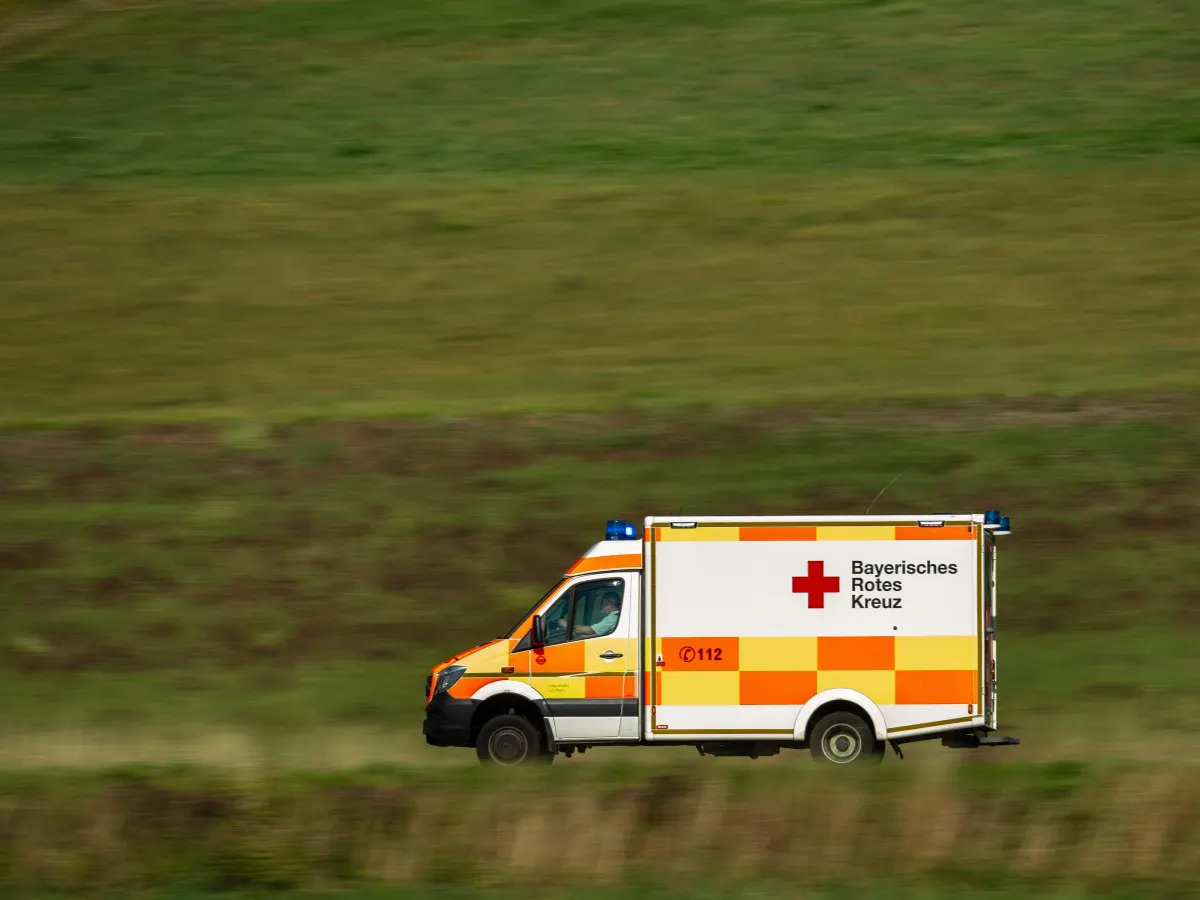
- Ambulance: 112.
- Not an emergency, but the surgeries are shut: ring 116 117, free, day and night, for the on-call doctor service (ärztlicher Bereitschaftsdienst). It tells you which clinic is open.
- Hospital emergency department: Notaufnahme. You're seen in order of urgency, so small problems wait for hours.
- In the daytime, see a local doctor (Hausarzt). Ring first. Many close on Wednesday and Friday afternoons. Pharmacies and hotels can name one who speaks English.
- Dentists have their own emergency rota (zahnärztlicher Notdienst).
Insurance, GHIC and EHIC
- A UK GHIC or an EHIC from an EU country gets you medically necessary state care on the same terms as Germans, usually with small charges, such as €10 a day in hospital and €5 to €10 for a prescription. Show it, with your passport, before treatment, and choose a doctor who takes state patients (Kassenarzt, alle Kassen).
- It doesn't cover private care, mountain rescue or being flown home.
- Everyone else pays, and is often asked to pay at once. Keep the itemised bill (Rechnung) and the diagnosis for your insurer. Canada's government says hospitals don't usually give a detailed breakdown, so ask.
- Check that the policy covers what you plan to do: skiing, climbing, e-bikes, mountain huts. A helicopter costs thousands.
Pharmacies
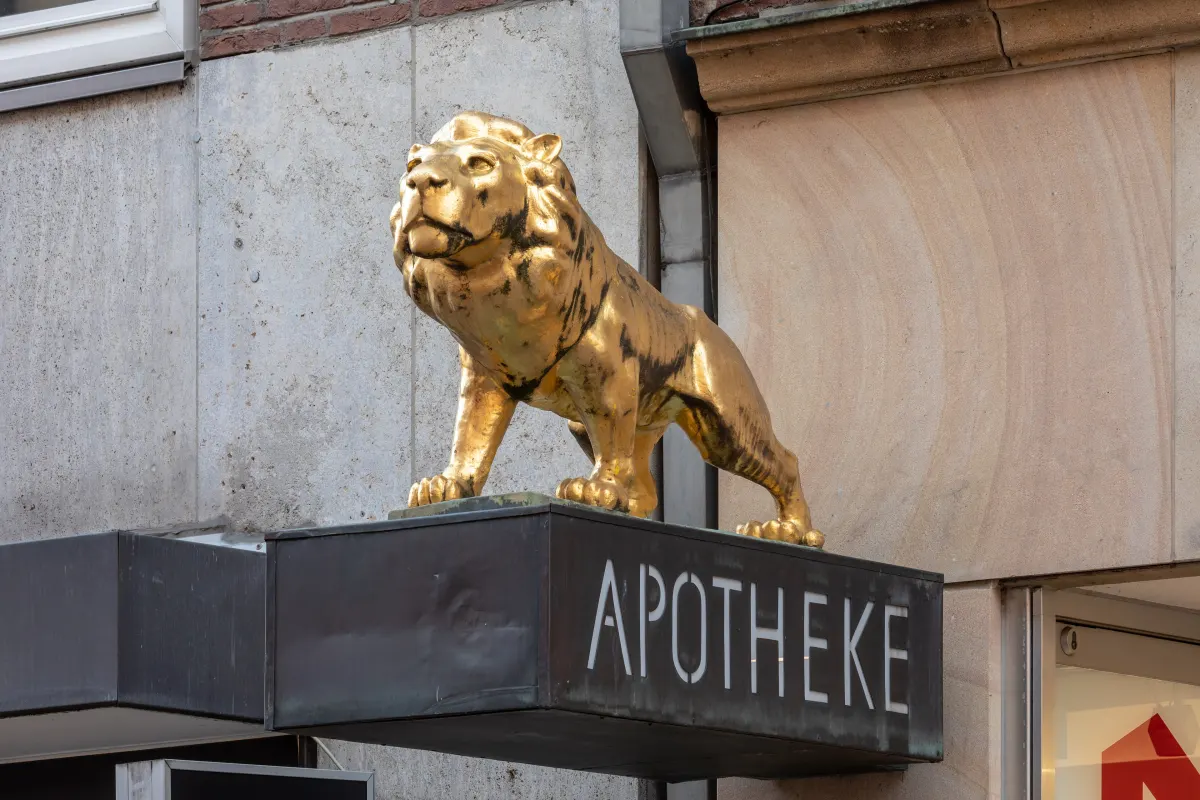
- An Apotheke has a red A sign. Even painkillers and cold remedies are sold only there, from behind the counter. A Drogerie, such as dm or Rossmann, has plasters, sun cream, vitamins and toiletries, but no real medicines.
- At night and on Sundays one in each area is on duty (Notdienst). The name is posted on every pharmacy door and at aponet.de. Ring the bell. There's a €2.50 charge at night.
- Prescriptions from the EU are accepted if they're written out in full. Others may not be, so a German doctor has to write a new one.
Bringing medicines
- You can bring what you need for the trip, up to about three months' supply, in its box, with the prescription.
- For controlled drugs, such as strong painkillers, some sleeping pills, and medicines for ADHD, the limit is 30 days, and you need a signed certificate from your doctor. From a Schengen country, that's a form approved by your health authority. Others should carry a multilingual letter. See Germany's medicines agency, BfArM.
Ticks
- They live in long grass, bushes and woods, and city parks too, from about March to November, and all year in mild winters.
- Lyme disease is found all over the country. Tick-borne encephalitis (FSME) is a risk mainly in the south and east: 185 districts were listed in 2026, including nearly all of Baden-Württemberg, most of Bavaria, and most of Saxony. There were 693 cases in 2025.
- There's a vaccine against encephalitis, in several doses, so ask weeks ahead if you'll camp or walk there. There's none for Lyme.
- Wear long trousers, use repellent, check your skin in the evening, and pull ticks straight out with tweezers or a card. See a doctor about a spreading red rash or a fever.
Mosquitoes and other animals
- West Nile virus now turns up each summer, mostly in the east: seven people were reported to have caught it in Germany in 2026 up to late October. It's rare, but use repellent in the evenings.
- Wash berries and mushrooms picked low in the woods, which may carry fox tapeworm. Never eat wild mushrooms unless an expert has checked them.
- Don't touch bats. Furry oak processionary caterpillars cause rashes in early summer: keep away from fenced-off trees.
Heat, lakes and sun
- Summer heat can pass 35°C, and few homes or small hotels have air conditioning. Regional trains can lose theirs. Carry water.
- Bathing lakes are mostly clean. Signs warn of blue-green algae in hot spells: keep out if the water is green and cloudy.
Other things
- Tap water is excellent. Signs saying Kein Trinkwasser mean not for drinking.
- No vaccinations are required. Check that the usual ones are up to date, measles and polio among them.
- The Zugspitze is nearly 3,000 m: take it slowly, and don't go up with a heart or lung problem without asking a doctor.
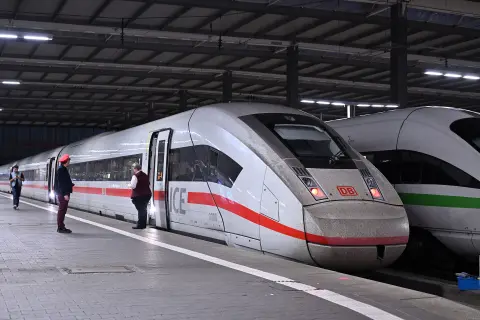
- Big stations, trams and museums are mostly step-free, but lifts break and old towns are cobbled. DB's mobility service books help onto trains: do it in advance.

Natural features
Zugspitze
Grainau, Bavaria
Germany's highest mountain, at 2,962 m, on the border with Austria above Garmisch-Partenkirchen.
Natural features
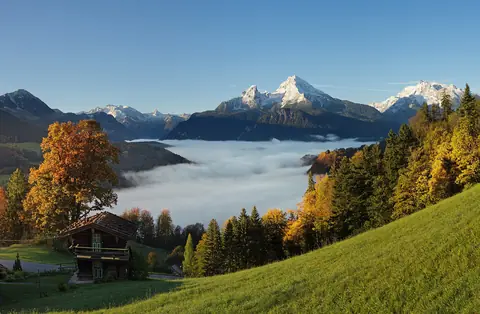
Berchtesgaden National Park
Berchtesgaden, Bavaria
Germany's only Alpine national park, with the Watzmann massif, the emerald Königssee and the Obersee.

Comments