
Safety in Germany: pickpockets, scams, protests, terrorism, knife bans, cannabis, floods and the mountains
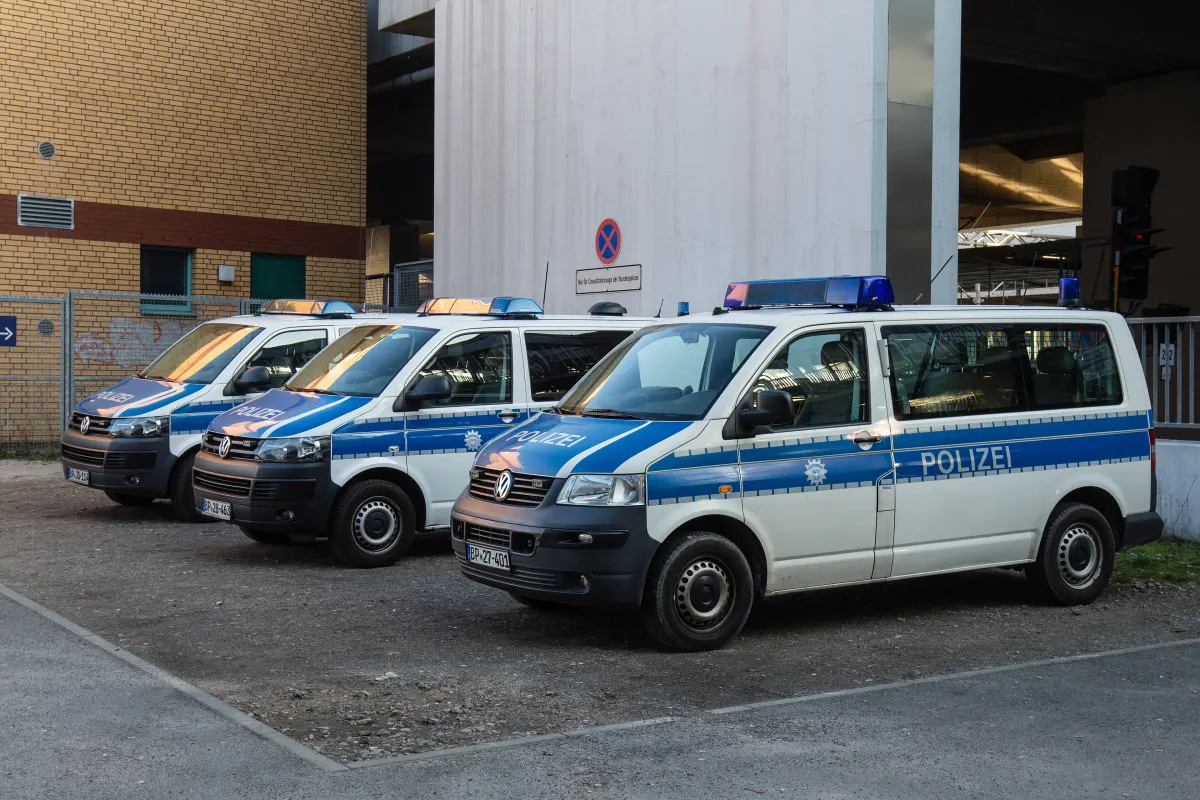
Germany is a safe country to visit, and most trips are trouble-free. The likeliest problem is a pickpocket at a station or Christmas market. Attacks on crowds have happened in recent years, and are rare.
Emergency numbers
- 112: ambulance and fire, free from any phone. 110: police. Operators usually speak English.
- You don't have to carry a passport in the street, but police who ask for ID can take you to fetch it. Near the borders and on trains, carry it.
Pickpockets and theft
- Organised gangs work the big stations, airport trains, crowded U-Bahns, Marienplatz, around Cologne Cathedral, Berlin's Alexanderplatz and Warschauer Straße, Oktoberfest and Christmas markets.
- Keep your phone and wallet in front and your bag closed. On trains, don't leave anything of value on the rack: thieves get off as the doors close. Canada's government reports more passport thefts on trains in the summer and winter holidays.
- Lock bikes to something fixed, with a good lock. Leave nothing visible in a car.
- Report thefts at a police station, or in many states online (Onlinewache), for your insurance.
Scams
- People with a clipboard petition, a "found" gold ring, or a friendly dance near Brandenburg Gate are after your wallet. Shell games are always fixed.
- Fake police who ask to see your cash or bank card. Real officers don't: offer to go to the station, or ring 110.
- Fake holiday flats that ask for a bank transfer, and QR codes stuck over real ones on parking machines.
- Lookalike ticket sites for Neuschwanstein and others. See Booking sights.
- Don't leave drinks unattended in clubs and bars: spiking happens.
- Near Hamburg's Reeperbahn and some big stations, avoid bars without prices on the menu. Around Frankfurt, Hamburg and other main stations you'll see drug users at night: it's uncomfortable more than dangerous.
Protests and crowds
- Demonstrations are common in Berlin, Hamburg, Leipzig and elsewhere, and most are peaceful. Stay away from any with lines of riot police, and from 1 May evening in Kreuzberg. They can stop trams and buses.
- Around football matches, stations and trains fill with fans and police.
- Attacks by extremists on people because of their skin colour, religion, sexuality or a kippah do happen. Visitors who may be a target should take the care they would at home, at night and on public transport especially.
- New Year's Eve in the cities is wild: people set off fireworks in the street. Stand well back, or watch from indoors.
Terrorism
- The UK says that terrorists are very likely to try to carry out attacks in Germany. In December 2024 a car was driven into the Christmas market at Magdeburg, and in July 2026 a vehicle drove into crowds at Berlin's Pride, killing one person and injuring 29.
- Festivals and markets have barriers, police and bag checks. Know where the exits are, and follow instructions.
Knives, drugs and the law
- Knives are banned on buses, trains and in stations in Berlin, on long-distance trains, at public events, and in weapons-free zones in other cities. Police can search bags there without suspicion. Don't carry even a pocket knife: pack it in your luggage if you must have one, and check the rules.
- Cannabis: since April 2024, adults may possess up to 25 g in public. But there are no legal shops, the growers' clubs are only for residents, and buying from a dealer is a crime for the seller. You can't smoke it near schools, playgrounds or sports grounds, in pedestrian streets from 7 am to 8 pm, or at Oktoberfest. Driving limits are strict. Bringing it into or out of Germany is smuggling. The UK warns of severe penalties for illegal drugs, and the law is under review.
- Insulting people, and police above all, is a crime here.
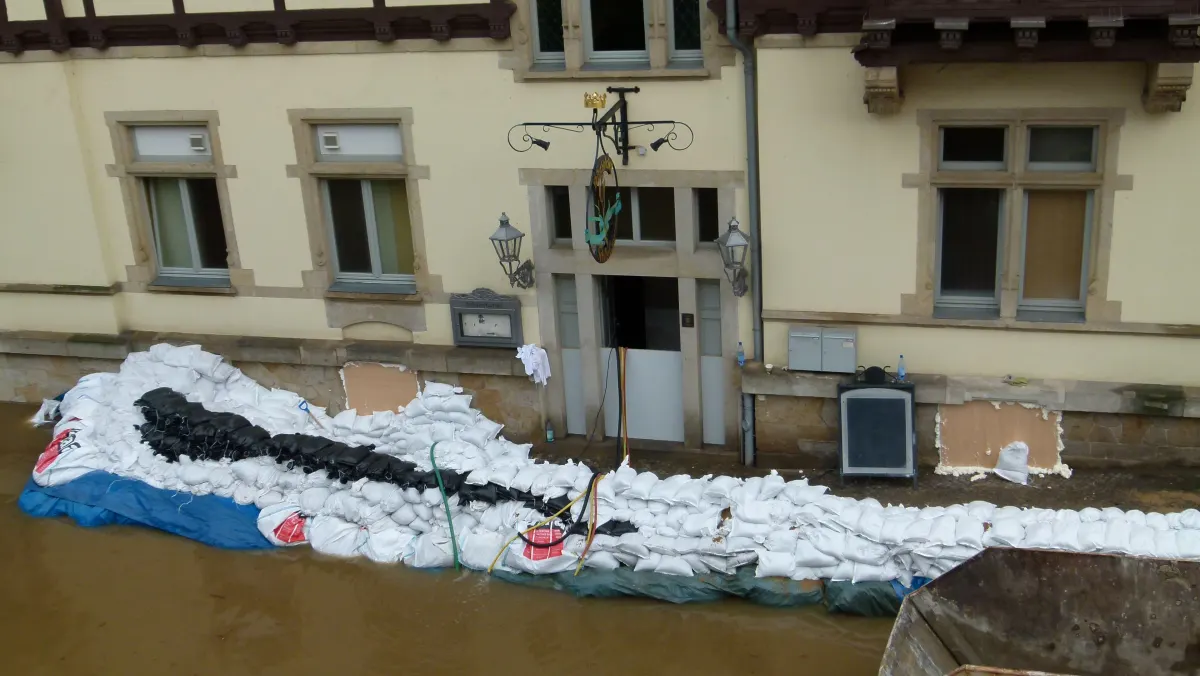
Floods, storms and old bombs
- Summer cloudbursts cause sudden floods, as in the Ahr valley in July 2021, and big rivers such as the Mosel, Rhine, Elbe and Danube flood in winter and spring. Never drive or walk through moving water. Keep out of cellars and underground car parks.
- Autumn and winter gales stop trains in the north. Stay out of woods during and after a storm. After the storms of August 2026, some paths in Saxon Switzerland were closed: check locally.
- Forest fires are a risk in Brandenburg and Saxony in dry summers. Smoking and fires are banned in the woods.
- Second World War bombs are still found, and districts are cleared for a few hours while they're made safe.
- Alerts come to your phone: see Phones. Warnings are on the German Weather Service site.
Mountains, snow and water
- In the Alps, start early, as summer thunderstorms come in the afternoon. Stay off wet rock and steel cables then. The mountain rescue number is 112, and a helicopter may cost you: be insured.
- People have died for a photo at the natural pool above the Königsbach waterfall by the Königssee, which is closed. Don't climb barriers anywhere.
- Avalanches are a danger off piste: see the Bavarian avalanche service.
- Don't swim in the Rhine or other shipping rivers: the currents kill. Lakes are lovely, but cold. On the North Sea, never walk out on the mud flats without a guide who knows the tide.
- On Rügen keep back from the edge, top and bottom, of the chalk cliffs, which collapse after rain and frost.
See also Health and insurance and Driving.

Comments