
Travel warnings for Saudi Arabia: missile attacks, airports, and why many governments say don't go
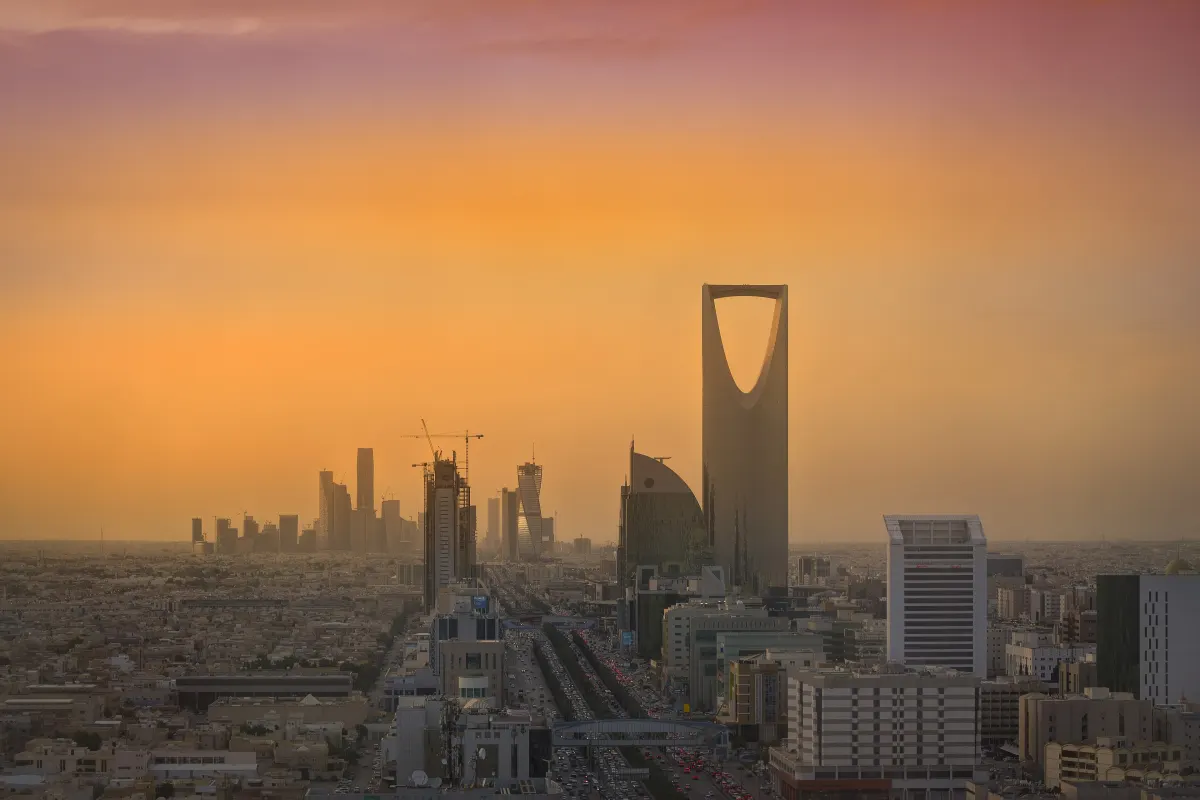
Saudi Arabia is under attack. Since the summer of 2026 the Houthis in Yemen have fired missiles and drones at Saudi airports, cities, ports and oil sites, and people have been killed, including pilgrims. Several governments now tell their citizens not to go at all. This article sums up the advice as of 24 November 2026: it's changing from week to week, so read your own government's page before you decide anything.
What governments advise
- Australia (smartraveller.gov.au, updated 21 November 2026): Do not travel to the whole country. Australia says to postpone any planned travel, including for religious purposes, and that "do not travel" also means do not transit.
- New Zealand (safetravel.govt.nz, updated 14 October 2026): Do not travel, and New Zealanders there are advised to consider their options for leaving when it's safe to do so.
- Germany (Auswärtiges Amt, changed 20 November 2026): a formal travel warning (Reisewarnung) for the whole country.
- UK (gov.uk, updated 18 November 2026): advises against all travel within 10 km of the border with Yemen, and all but essential travel to the rest of Saudi Arabia.
- Canada (travel.gc.ca, updated 23 November 2026): Avoid non-essential travel to the country, and avoid all travel to Riyadh's King Khalid and Dammam's King Fahd airports, Riyadh's King Abdullah Financial District, the provinces of Asir, Jazan and Najran, and anywhere within 30 km of the Yemen border.
- USA (US Embassy, alert of 17 November 2026): Level 3, Reconsider travel, with higher risk in some areas. On 23 October it ordered its non-emergency staff and their families to leave, and those who remain need special permission to use any Saudi airport, and to go to Jizan, Asir, Najran, Qatif, Yanbu or Taif.
- France (France Diplomatie, 20 November 2026): strongly advises against going to or stopping over at Riyadh and Dammam airports, and against the regions of Najran, Abha, Khamis Mushait and Jizan; and says to avoid Riyadh's financial district and the area around the Red Sea ports.
No government we checked treats Saudi Arabia as normal at the moment. If you have a trip planned for fun, the sensible thing is to put it off.
What has happened
- The fighting between Yemen's Houthis and Saudi Arabia started again in July 2026, says the UK, on top of the conflict with Iran that began early in the year.
- On 10 October a missile hit King Khalid International Airport in Riyadh. Gulf News reported at least 12 people killed and more than 300 injured, Umrah pilgrims among them. The airport closed, and reopened in part on 23 October.
- Airports at Dammam, Abha, Jizan and Najran have also been attacked, and oil company buildings and other energy sites have been hit or threatened.
- On 19 November a missile damaged the Public Investment Fund tower, Riyadh's tallest, in the King Abdullah Financial District. No one was hurt.
- On 20 and 21 November, after the Saudi-led coalition struck the Yemeni port of Hodeidah, the Houthis threatened Jeddah and the other Red Sea ports, warned airlines that Saudi airspace was unsafe, and fired more missiles towards Riyadh, which were shot down. Riyadh had emergency alerts three nights in a row.
- In the spring, strikes linked to the war between the USA, Israel and Iran hit the east of the country too, and that could start again without warning.
Where the risk is highest
- The south-west: the border with Yemen, and the provinces of Jizan (Jazan), Asir (with Abha and Khamis Mushait) and Najran. The Farasan Islands are in Jizan province, so don't go there now.
- Airports, above all Riyadh, Dammam and Abha. Expect delays, cancellations and sudden closures at all of them.
- Oil, gas and power plants, refineries, ports, desalination plants and the offices of energy companies, especially in the Eastern Province, Riyadh, Yanbu and Jeddah.
- Riyadh's financial district (KAFD), and military and US-linked sites anywhere.
- The Red Sea: ships have been attacked, and France tells yachts to put off any passage through the Bab el-Mandeb strait.
- The northern border: Australia says that a strip 20 km deep along the whole northern border is out of bounds, with prison and fines for going in without permission. Cross only at the official posts.
Transit and stopovers
If you've booked a flight that changes planes in Riyadh, Jeddah or Dammam, ask your airline to move you to another route. Australia says not to transit at all. Airlines have cancelled many flights at short notice, and if the airspace closes while you're there you could be stuck for days. The free stopover visa isn't a good idea at the moment.
Pilgrims
Umrah is still going on, and Reuters has reported a Houthi promise not to attack Makkah or Madinah. But pilgrims have been killed and stranded at the airports on the way, and Australia specifically says to postpone travel for religious purposes. See Umrah and Hajj.
Insurance and bookings
- If you travel against your government's advice, your travel insurance may not cover you, even for an ordinary illness or a car accident. Many policies also exclude war and terrorism.
- If your government has warned against travel since you booked, ask your airline, hotel, tour company and insurer about a refund or a change of date before you cancel yourself.
- Your embassy may not be able to help you much, and Canada tells its citizens not to count on the government to get them out.
If you have to go, or you're there
Read If you're in Saudi Arabia now about alerts, shelter, airports and the roads out, and the laws, which are strict, above all on photos of attacks and on what you post. Register with your embassy.
When things change
Our other pages about Saudi Arabia describe the country's sights and food for when it's safe to visit again. They're not a suggestion to go now, and that's why there are no itineraries in this section yet. The neighbours have warnings of their own: see Is it safe to visit the UAE now?, Safety in Oman and Safety in Jordan.

Comments
No comments yet.