
Umrah and Hajj: warnings, visas, Nusuk permits, scams, vaccines and coping with the heat and crowds
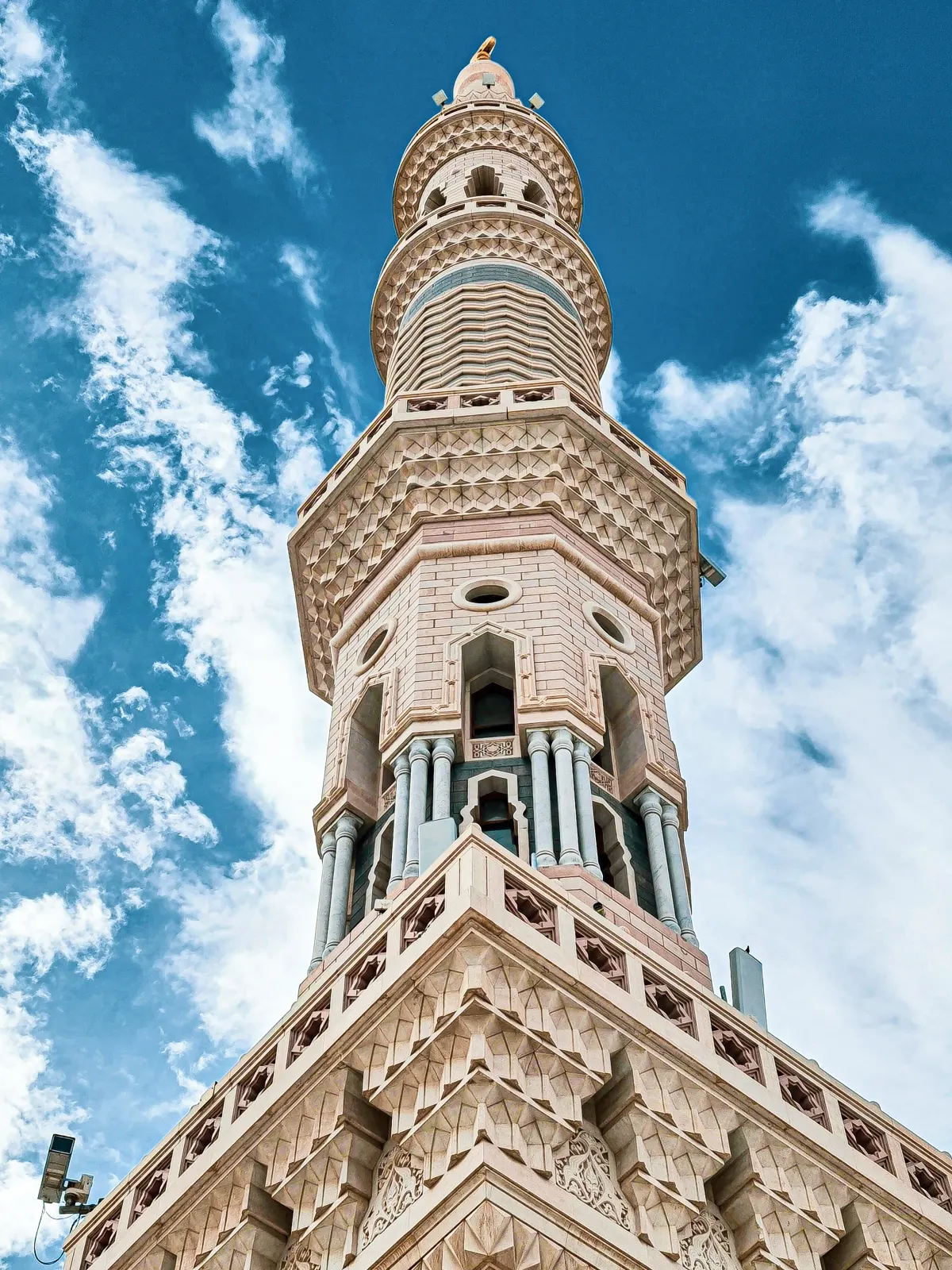
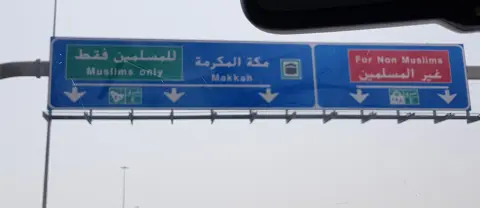
Umrah goes on all year, and the next Hajj is expected on about 14 to 19 May 2027. Both are under a cloud: pilgrims were among the people killed at Riyadh's airport in October 2026, thousands have been stranded by cancelled flights, and several governments say not to go. This article gives the facts as of 24 November 2026. It's for Muslims, as only Muslims may enter Makkah.
Should you go now?
- Australia says do not travel, and to postpone travel for religious purposes as well. New Zealand and Germany warn against all travel. The UK advises against all but essential travel: ask your insurer whether a pilgrimage is covered, as it may well not be. See the travel warnings.
- The Houthis have promised not to attack Makkah or Madinah, Reuters has reported. But on 20 November they threatened Jeddah and the Red Sea ports, and most pilgrims fly into Jeddah or Madinah. Avoid any route through Riyadh or Dammam airports.
- Umrah can be done another year. If you've booked, ask your agent about changing the date before you cancel, and get the answer in writing.
Umrah: visas and permits
- Muslims with any valid Saudi visa (tourist, visit, family, transit or Umrah) can perform Umrah outside the Hajj season, the Saudi authorities have said. See Entering Saudi Arabia.
- You need a permit, which you book on Nusuk, the official platform and app, for a set date and time. Without one you may be turned away.
- Praying in the Rawdah in the Prophet's Mosque in Madinah needs a permit of its own, also on Nusuk. Reports say that you can usually book it only once in 365 days.
- Visa and flight conditions for Umrah (such as agencies, hotels and return dates) change every season, so check them on Nusuk before you pay.
Hajj
- Hajj needs a Hajj visa. A tourist, visit or Umrah visa isn't valid for it. Depending on your country, you book either on Nusuk Hajj or through your country's official Hajj office: the UK says that Nusuk Hajj is the only way for its citizens.
- In the weeks before Hajj, people without a Hajj permit can't enter or stay in Makkah, and flights to Jeddah, Madinah, Taif and Yanbu may be limited to Hajj visa holders.
- In 2026 the fine for trying to do Hajj without a permit was up to 20,000 riyals, with the same for visit-visa holders found in Makkah, and up to 100,000 for people who helped them. Residents and overstayers faced deportation and a 10-year ban. Expect much the same in 2027.
- You can't tour the rest of the country on a Hajj visa, and you must leave before it expires. Australia gives 15 as the lowest age.
Scams
- Fake Hajj and Umrah packages are common, and older people are often targeted. If it's cheap and quick, and they say that you don't need a permit, it's a scam.
- Check that the agent is licensed, pay by credit card, keep every receipt, and get the hotel names, flights and refund terms in writing. In the UK, the package should be ATOL protected if it has flights.
Health
- Pilgrims need a meningitis ACWY vaccination certificate, from at least 10 days before they arrive. Flu and other vaccines are advised, and some countries' pilgrims need polio or yellow fever too: check the year's list from the Saudi Health Ministry.
- Heat kills pilgrims. In summer it can pass 50°C, and the 2027 Hajj falls in May. Use an umbrella, drink often, rest in the shade, and do what you can at night. Confusion, hot skin or fainting is an emergency: call 911 or 997.
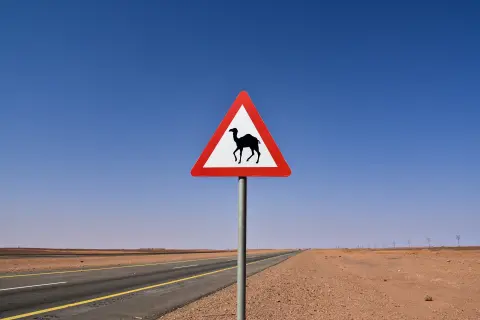
- Coughs spread fast in the crowds: wear a mask and wash your hands. Keep away from camels and unboiled camel milk, because of the MERS virus.
- Bring your medicines in their packets with a prescription and some to spare, in case you're delayed. Some need a permit: see Entering Saudi Arabia.
- Walk with your group, share your live location, carry your hotel's card, and agree on a meeting place. Leave at once if a crowd becomes too dense to move in freely.
Getting around
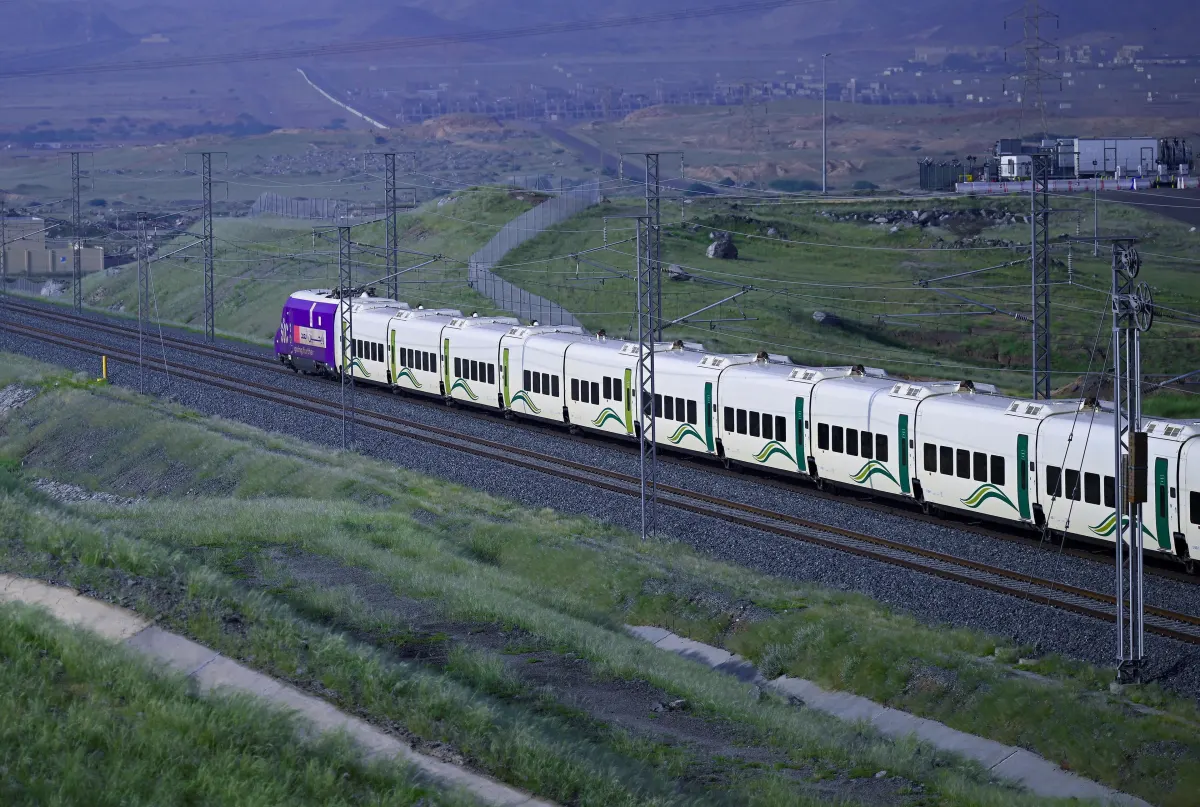
- The Haramain high-speed train links Makkah, Jeddah (the city and its airport), King Abdullah Economic City and Madinah, and is the easiest way between them. Book with Saudi Arabia Railways, earlier for weekends and Ramadan.
- Buses and licensed taxis go everywhere. Use apps or marked taxis, and agree on the price if there's no meter.
Laws to remember
No political slogans, flags or chants on the pilgrimage, be very careful with cameras around the two holy mosques, and never film an attack or an alert: see Laws and customs. If there's an alert, see If you're in Saudi Arabia now.

Comments
No comments yet.