
Safety in Oman: current travel advice, the Yemen border, Musandam and staying safe
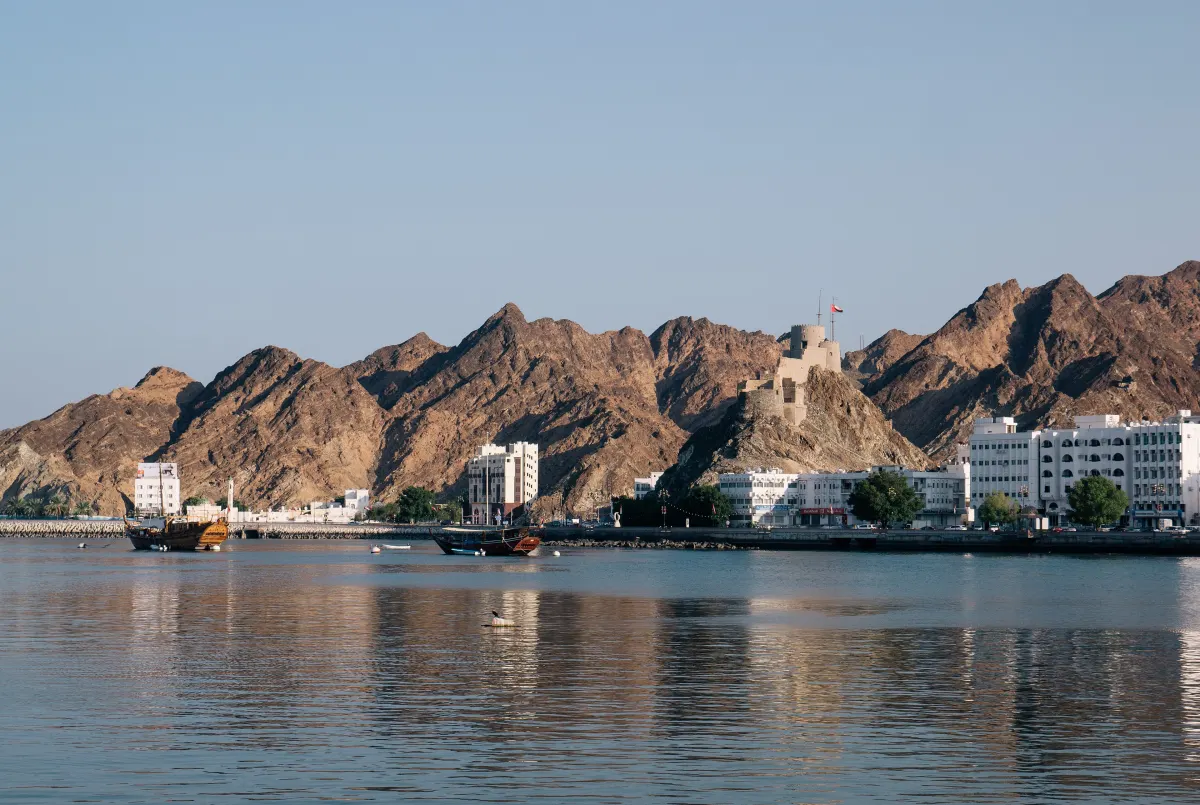
Oman has long been one of the calmest and safest countries in the Middle East: crime is low, people are kind to strangers, and most visits are trouble-free. But the conflict in the region reached Oman in 2026, governments disagree about how much that matters for visitors, and some parts of the country need more care than others. This article sums up the advice as of late November 2026: read your own government's advice before you book, and again before you go.
What governments advise
- UK (gov.uk, updated 18 November 2026): doesn't advise against travel to any part of Oman, but warns that the situation in the region is "deeply unpredictable" and that attacks, flight cancellations and airspace closures are possible at short notice.
- Australia (smartraveller.gov.au, lowered on 20 November 2026): Exercise a high degree of caution overall, and Reconsider your need to travel to areas within 30 km of the border with Yemen.
- USA (travel.state.gov): Oman is at Level 3, Reconsider travel, because of armed conflict and terrorism, with Level 4, Do not travel for the Yemen border area.
- Canada (travel.gc.ca, updated 6 August 2026): Avoid non-essential travel to the whole country because of the security situation in the region, and don't go near the Yemeni border.
- New Zealand (safetravel.govt.nz, updated 9 October 2026): Exercise increased caution.
- France (France Diplomatie, 29 October 2026): advises against travel, except for compelling reasons, to the Salalah, Duqm and Musandam regions and the Yemen border.
- Germany (Auswärtiges Amt, unchanged since 29 October 2026): advises against travel to the Musandam exclave and to the area right on the Yemen border.
So the north that most people visit (Muscat, Nizwa, the mountains, the desert and the coast to Sur) isn't under a specific regional warning in any of these, though Canada's and the USA's overall levels cover it. Your travel insurance may not cover you in an area, or a country, that your government advises against, and many policies exclude war, so check yours.
What has happened
- After the war between the USA, Israel and Iran began in early 2026, drones hit ports and oil sites in Oman from March to July, at Duqm, Salalah (the port at Raysut), Sohar and in Musandam. People were killed and injured, though tourist sights weren't the targets.
- Attacks on ships in and near the Strait of Hormuz and the Gulf of Oman have continued into the autumn, including a tanker off Limah, on the Musandam coast, in October and another at the Sohar anchorage the same month.
- The fighting between the Houthis in Yemen and Saudi Arabia has added to the tension, says Germany.
Areas to avoid or think hard about
- The Yemen border, west of Salalah: stay at least 30 km away. On the coast road, don't go on towards Dhalkut, Rakhyut and Sarfait. Expect police and army checkpoints in the area.
- Musandam: see Musandam and Khasab before you make any plans.
- Ports, refineries, oil tanks, power and desalination plants, military bases and US sites anywhere: keep away, and don't photograph them.
- At sea: yachts should read the UK's advice about piracy and attacks in the Gulf of Oman, the Arabian Sea and the Gulf of Aden.
- The Empty Quarter near the Saudi and Yemeni borders: go only with an experienced guide and more than one vehicle.
If there's an alert
- Follow the official channels: the Government Communication Centre, Oman News Agency and Royal Oman Police.
- If you're told to take shelter, go indoors to a room with as few outside walls and windows as possible, or an inner stairwell. The biggest danger is falling debris, so stay inside, and don't touch fragments.
- Leave slack in your plans and keep some money, medicine and a charged phone in case flights are cancelled.
- Sign up for your government's alerts (the UK's email alerts, the US STEP programme, Canada's registration and so on).
Everyday safety
- Crime is low. Lock your car, don't leave things on view at wadi car parks and beaches, and watch your bag in crowds.
- The roads and the wadis are the biggest danger to visitors: speed, camels, flash floods and getting stuck. Read Getting around Oman and Wadis, dunes and camping.
- Women: most women travelling alone find Oman easy and respectful, but harassment happens, and the UK says assaults, though rare, do too. Dress modestly, avoid walking alone at night, and be careful about lifts and over-friendly guides.
- Swimming: wadi pools vary in depth and have hidden rocks; beaches have strong currents, above all on the south coast in the khareef, when the sea is rough and dangerous.
- Terrorism: attacks can't be ruled out. Six people were killed in a shooting near a mosque in Wadi Kabir, Muscat, in July 2024.
- Demonstrations are rare, but keep away from them.
Laws to know
- Drugs: severe penalties, including for traces, and the death penalty is possible for some offences.
- Alcohol: only in licensed hotels, restaurants and clubs, from age 21. Drinking or being drunk in public is an offence, and any alcohol at all in a driver's blood is a serious one.
- Vapes are illegal, and so are drones without a licence.
- Same-sex relations are illegal, and so is sex outside marriage. By law an unmarried man and woman can't share a hotel room; in practice many tourist hotels don't ask, but some do, so check first.
- Swearing and rude gestures, including at other drivers, are offences, and so are insults on social media. Don't criticise the Sultan, the government or religion.
- Photos: not of government buildings, military sites, airports or police, and not of people (above all women) without asking.
- Carry a copy of your passport's photo page.
Emergency numbers
- Police, ambulance and fire: 9999.
Comments
No comments yet.