
Getting around Oman: renting a car, driving rules, Mwasalat buses, taxis, apps and ferries
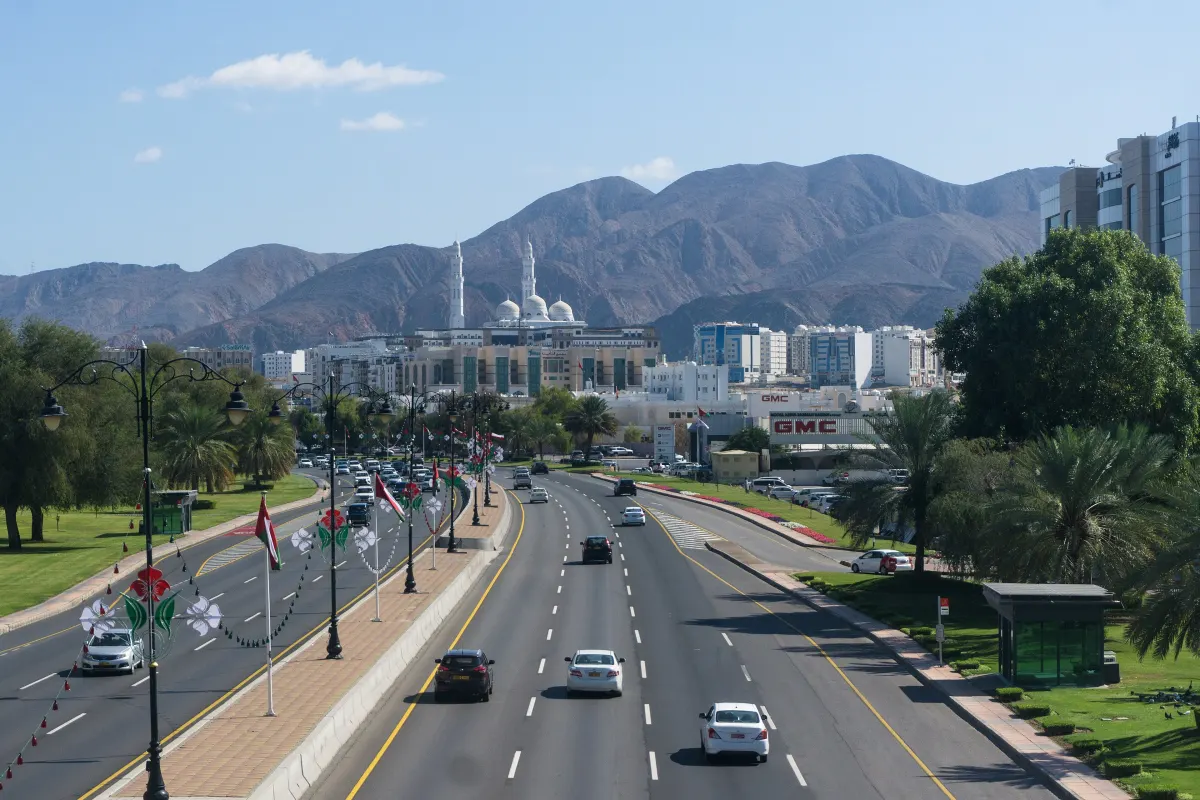
Oman is a country for driving. The roads are excellent, distances are manageable in the north, and the best places (mountain villages, wadis and desert camps) are hard to reach without a car. Buses link the main towns, and taxi apps cover Muscat, but few visitors see much of the country without renting a car or hiring a driver.
Renting a car
- Licence: a UK photocard licence is enough to drive a rental car for the first 6 weeks, says the UK, but many governments advise carrying an International Driving Permit too, and rental companies have their own rules on age and experience (often 21 or 25 and over). Bring both.
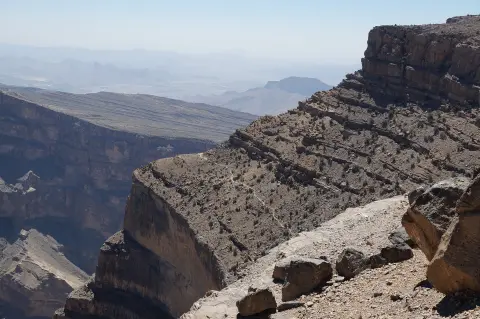
- Saloon or 4x4? An ordinary car is fine for Muscat, Nizwa, Bahla, Sur, the coast road, Wadi Shab, Wadi Bani Khalid and Salalah's main sights. You need a 4x4 for Jebel Akhdar, the mountain track from Rustaq over to Al Hamra (Wadi Bani Awf), driving in the dunes, and many side tracks and camping spots. It's recommended for the last part of the road to Jebel Shams, which is steep and unpaved in places, though some people drive it slowly in a saloon.
- Jebel Akhdar: police at the checkpoint at Birkat al Mawz have long let only 4WD vehicles up the steep road, checking that the car is a 4WD and that you have your licence. A report in October 2026 said electric cars are now allowed too. If you don't have a 4x4, leave your car at the bottom and hire one with a driver.
- Read the contract: many rentals exclude off-road driving, water damage, sand and tyres, even with a 4x4, and some limit how many kilometres you can drive a day. Check that driving in the desert or on gravel roads is allowed, and photograph the car before you leave.
- To take a rental car into the UAE (including to reach Musandam by road), you need the company's permission and insurance for it.
- With a car and driver, or a guided tour in a 4x4, you avoid most of these worries.
Rules of the road
- Drive on the right. Speed limits are usually up to 120 km/h on the main highways and much less in towns, and they change often along the same road. Speed cameras are everywhere, fixed and mobile, and fines go to the rental company and then to you.
- Everyone must wear a seat belt; children aged 3 and under need a child seat; using a phone while driving is illegal.
- Don't drink and drive: any alcohol at all can mean a fine or prison.
- Swearing or making rude gestures at other drivers is an offence.
- Accidents: for a serious accident, stay with the car and call the police on 9999. For a minor one, fill in the accident form that should be in the car, and call the rental company. Anyone responsible for an accident may be held for 48 hours, says Canada.
- You can check for unpaid fines on the Royal Oman Police site or app, or ask the rental company: they must be paid before you leave.
Driving conditions
- Camels and goats wander onto roads, even on highways. Hitting a camel can kill you. Avoid driving at night outside towns.
- Fuel is cheap and easy to find on main roads, but fill up before the mountains, the desert and the long road south.
- Speed bumps come without warning in towns and villages.
- The long road to Salalah is about 1,000 km, 10 to 12 hours of straight, empty desert. The stretch from Adam to Haima is a dual carriageway, but from Haima to Thumrait it was still being widened in 2026, with roadworks and fast trucks. Don't try it in one go without breaks; fly, or take two days. In the khareef it's busy, and fog and drizzle make the mountain roads above Salalah slippery.
Flash floods
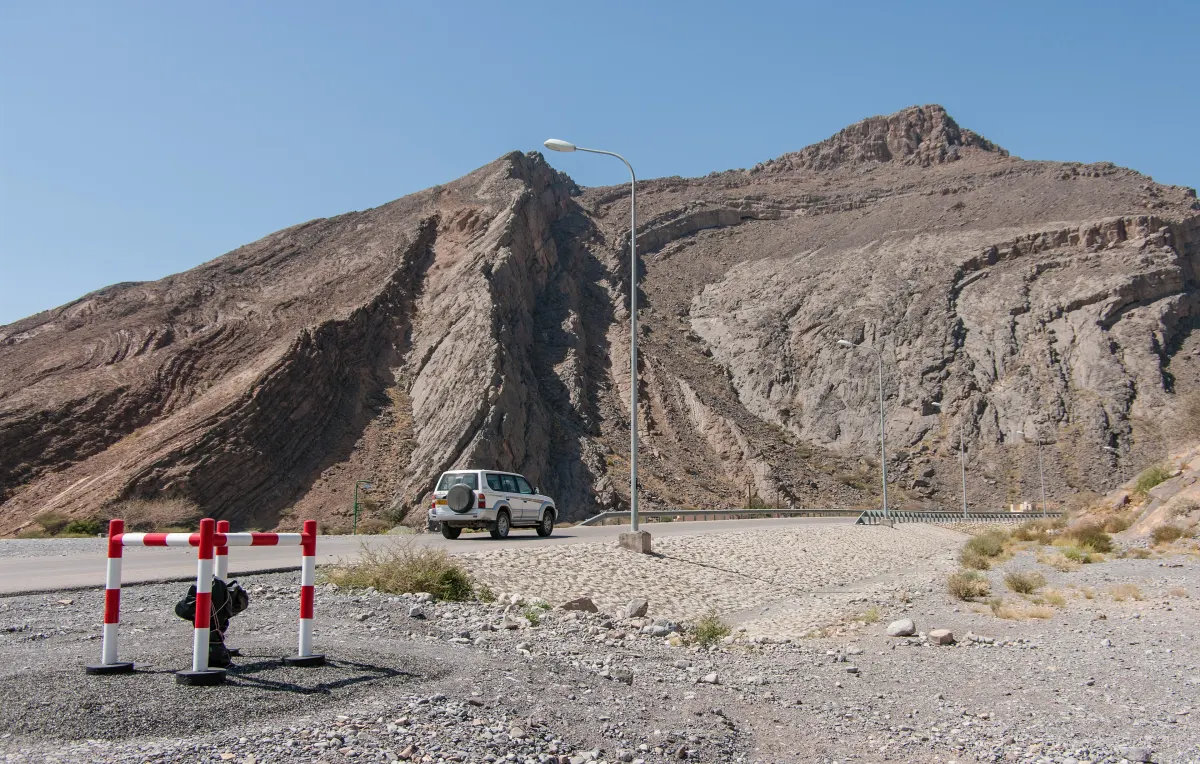
Roads in Oman cross hundreds of wadis (dry riverbeds), and rain in the mountains, even far away, can send a wall of water down them in minutes. People die this way nearly every year.
- Never drive into flowing water, however shallow it looks. It's also a crime: driving into a wadi in flood and putting people in danger can mean up to three months in prison, a fine of up to 500 rials, or both, and can cost you your insurance.
- Check the forecast and warnings from Oman's meteorology service before you set out. Where you see red-and-white posts or a sign for a wadi crossing, be ready to stop.
- If heavy rain is forecast, keep out of wadis then and for at least a day afterwards. If you're caught, get to high ground. See Wadis, dunes and camping.
Buses
- Mwasalat, the national bus company, runs air-conditioned city buses in Muscat, including a route to the airport, and in Salalah and Sohar.
- Its long-distance buses link Muscat with towns such as Nizwa, Sur, Sohar and Salalah (about 13 hours overnight or by day), but there are only a few a day, and they don't reach the wadis, the mountains or the desert. Buy tickets online or at the bus station.
- Buses also go to Sharjah and Al Ain in the UAE: see Arriving in Oman.
Taxis and apps
- Uber and Careem don't operate in Oman. Use a licensed local app: OTaxi, which is now part of Yango, OmanTaxi and Tasleem are the best known. Yango covers Muscat, Salalah and Sohar, and some have an option for women passengers with a woman driver.
- At Muscat airport, use the official app taxis rather than people who approach you.
- With a taxi from the street (orange and white), agree the fare first, or ask for the meter. Shared taxis and minibuses run between towns, and leave when they're full.
- In Nizwa, Sur and the mountains there are few taxis: arrange them through your hotel.
Flights and ferries
- Flights between Muscat and Salalah take about an hour and a half and are frequent. Oman Air and SalamAir fly the route.
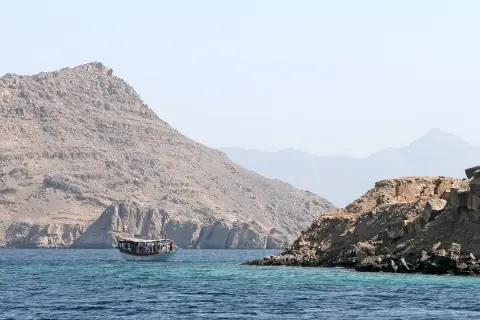
- Ferries run by the National Ferries Company, and sold through Mwasalat, go to Masirah Island from Shannah, and have run along the coast to Khasab in Musandam. Times depend on the weather and the situation, so check with Mwasalat, and see Musandam and Khasab.
Comments
No comments yet.