
Wadis, dunes and camping in Oman: 4x4 driving, swimming safely and wild camping etiquette
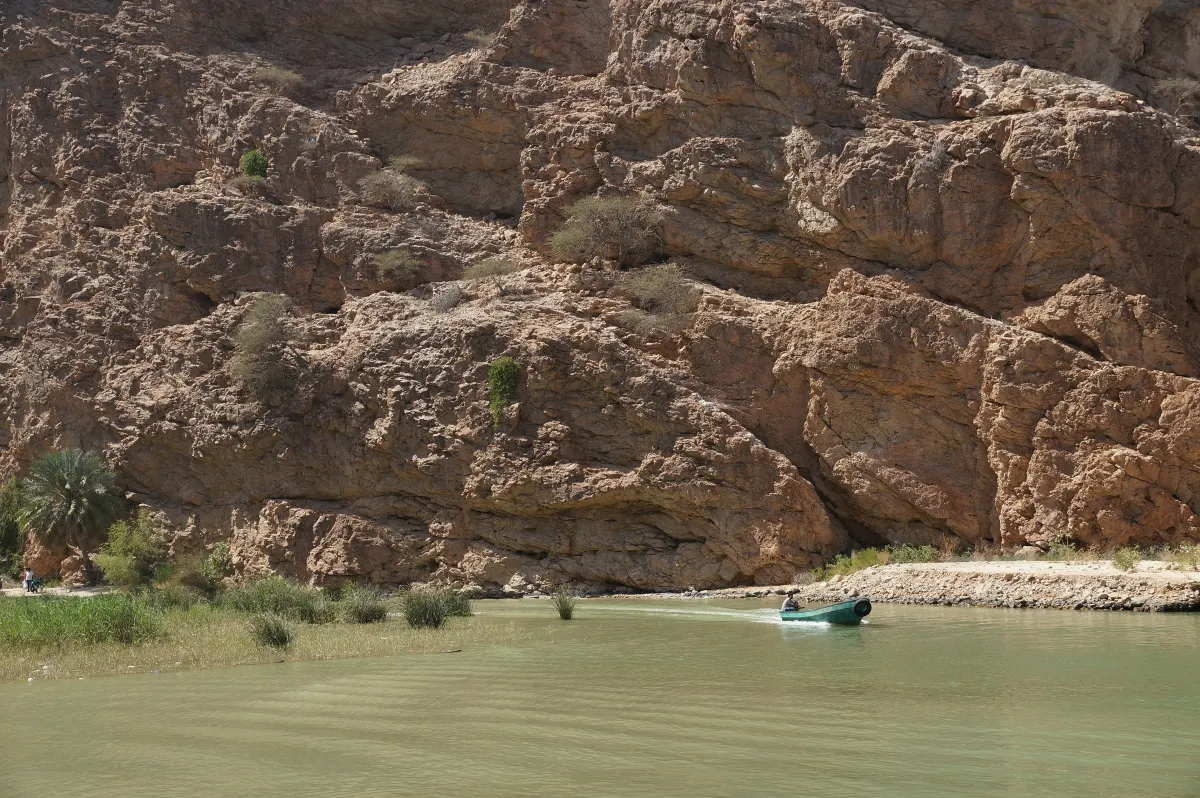
Wadis, the rocky valleys where water runs after rain, are the best thing about Oman: green pools, date palms, canyons and waterfalls you can swim to. The desert and the mountain plateaus are close behind, and you can camp in many of them for free. All of it is wild country, with few signs and little help if something goes wrong, so go prepared.
Wadis you can visit easily
- Wadi Shab: a short boat crossing (about 1 rial), then about 45 minutes to an hour on foot on a rocky path to the pools, and a swim through them to a narrow gap into a cave with a waterfall. Go early, before the day trips arrive; the boats don't run all day, so ask when the last one goes back.
- Wadi Bani Khalid: big green pools all year, a short walk from the car park, with a café. Busy on Fridays and Saturdays.
- Wadi Tiwi, next to Wadi Shab, and Bimmah Sinkhole, a turquoise pool in a crater by the coast road, are easy stops on the way between Muscat and Sur.
- Snake Canyon, in Wadi Bani Awf, means jumping into pools, swimming and scrambling, and there's no way out partway: go only with a guide, in settled weather.

Wadi Shab
A canyon with turquoise pools between towering cliffs.
Swimming and walking safely
- Check the weather for the whole mountain area, not only where you are. Flash floods come down a dry wadi from rain you never saw. Four hikers were killed in a wadi near Nizwa in August 2024. Don't go if rain is forecast, or for at least a day after heavy rain. If the water rises, turns brown or you hear a roar, climb out at once.
- Swimming: people drown in wadi pools every year. Don't dive, don't swim alone, and don't go on to the cave at Wadi Shab if you're not a confident swimmer: the last part has no place to stand.
- Rocks are slippery: wear shoes that can get wet. Bring a dry bag for your phone, lots of water, and a hat.
- Cover up: in wadis near villages, swim in shorts below the knee and a T-shirt, or leggings and a long top, rather than a bikini or swimming trunks, and cover up when you get out. Signs at some wadis ask for this. Families live and wash there.
- Don't use soap or shampoo in the water, and take your rubbish home.
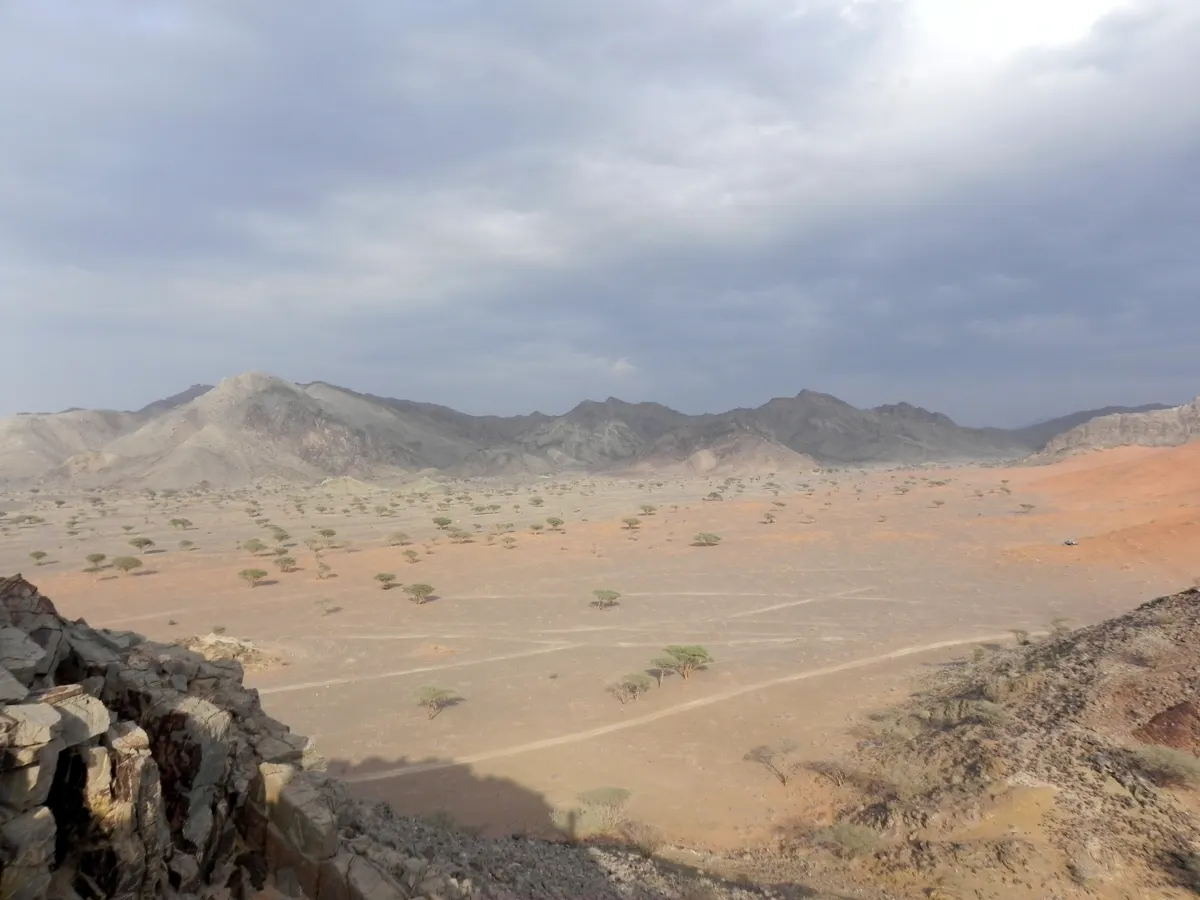
4x4 on mountain tracks
- Use low gear on the way down, not your brakes, which can overheat and fail: people have died coming down Jebel Akhdar this way.
- The track through Wadi Bani Awf, between Rustaq and Al Hamra, is steep and narrow, with big drops. Do it in dry weather only, with a 4x4 with good clearance, and in daylight.
- Tell someone your route, go with another vehicle if you can, and carry water, a spare tyre and a jack. Phone signal is patchy.
Driving in the dunes
- In the Wahiba Sands (also called Sharqiya Sands), most desert camps will meet you at the edge of the sand, at Al Wasil or Bidiyah, and drive you in, or lead you in a convoy. Take that offer unless you've driven on sand before.
- If you drive: let your tyres down to about 15 to 18 psi, don't brake hard or turn sharply on soft sand, keep your speed steady, go straight up and down dunes rather than across them, and never drive alone. Pump the tyres up again at the petrol station on the way out.
- Carry a shovel, a tow rope, a compressor and plenty of water. Bedouin drivers will pull you out for a fee.
- Check that your rental insurance covers sand: it usually doesn't.
- The Empty Quarter (Rub al Khali) is for experienced guides with several vehicles, not a day trip.
Wild camping
Camping wild is a normal part of life for Omanis, who love to camp at weekends, and is generally accepted on open public land: beaches away from towns, plateaus such as those near Jebel Shams and quiet desert. You'll often have a whole beach to yourself. The rules aren't always clear and can change locally, so ask, and move on if you're told to.
- Don't camp in the turtle reserves at Ras al Jinz and Ras al Hadd (nobody may be on those beaches at night without a permit), on the Daymaniyat Islands without one, in other nature reserves, on farmland, near military sites, or on town beaches such as Qurum in Muscat.
- Never camp in a wadi bed, even in dry weather. Choose high ground.
- Keep your distance from villages and houses, so you don't overlook family yards. If someone invites you for coffee, go: it's a great honour, and a great evening.
- Dress modestly, keep music low, and don't drink alcohol where anyone can see you (drinking in public is illegal).
- Fires: bring your own wood. Don't cut live trees, and don't light fires on turtle beaches or use bright lights there: they confuse the hatchlings.
- Toilet: go well away from water, bury it, and carry out the paper. Take all your rubbish with you, and pick up some of what others have left.
- From November to March nights are cool and the mountains can be close to freezing. From May to September it's too hot to camp except in the mountains and in Dhofar.
See also: Health and heat in Oman and Culture and etiquette.
Comments
No comments yet.