
Arriving in Oman: visa-free stays, e-visas, and crossing from the UAE by road
Entering Oman is easy for most visitors: citizens of more than 100 countries can stay for up to 14 days without a visa, and others can apply online. The main things to get right are the papers you may be asked for, and how the road borders with the UAE work. This sums up the rules as of November 2026: check them again before you go.
Visa-free for 14 days
Oman's Foreign Ministry lists the countries whose citizens can visit without a visa for up to 14 days. They include the UK, USA, Canada, Australia, New Zealand, the EU countries, Switzerland, Norway, Japan, South Korea, China, Singapore, Malaysia, Thailand, Indonesia, the Philippines, South Africa, Brazil, Argentina, Turkey and Russia, among others.
- Some nationalities need something extra: citizens of India, Egypt, Jordan, Morocco, Tunisia, Vietnam, Mexico, Peru and some other countries can use the 14 days only if they hold a valid visa for the USA, Canada, Australia, the UK, Japan or a Schengen country, or live in a Gulf (GCC) country and work in a qualifying profession.
- Citizens of the other Gulf states don't need a visa.
- The 14 days can't be extended or changed into a residence visa, says the ministry. If you might stay longer, get a visa before you travel.
- What you need: a passport valid for at least 6 months, a return or onward ticket, a confirmed hotel booking, health insurance and enough money for your stay. Have them on your phone or printed: the UK also says you must be able to show them at the border.
The e-visa
- For a longer stay, or if your nationality isn't on the visa-free list, apply online on the Royal Oman Police site, evisa.rop.gov.om, before you travel. The unsponsored visit visa is the usual type for tourists, and there are versions for 10 days, 30 days, and many visits in a year.
- The UK says you can also get a visit visa on arrival at an airport in Oman, but that it's better to apply online first to avoid the risk of being refused.
- Use the official site: several commercial sites look like it and charge more.
- Overstaying costs up to 10 rials a day, up to 500 rials, says the UK, and you can be detained.
Other rules
- Israeli stamps: Canada says its citizens have been refused entry because their passport showed an Israeli visa or stamp.
- Don't bring e-cigarettes or vapes (illegal to import or use), drugs of any kind (even traces), or pornography. A drone needs a licence and approval before you travel.
- Medicines: some common prescription and over-the-counter medicines are illegal in Oman. Check with the Ministry of Health well before you travel, and carry your prescription.
- Alcohol and cash limits: guides disagree about the duty-free alcohol allowance and how much cash you must declare, so check with Oman Customs, and declare if you're unsure. Alcohol isn't allowed for Muslims or under-21s.
- A yellow fever certificate is needed if you're coming from a country with a risk of it.
- Pay any traffic fines, hotel bills and hospital bills before you leave: the UK says you must settle all debts before leaving the country, and you can be stopped if you haven't.
By air
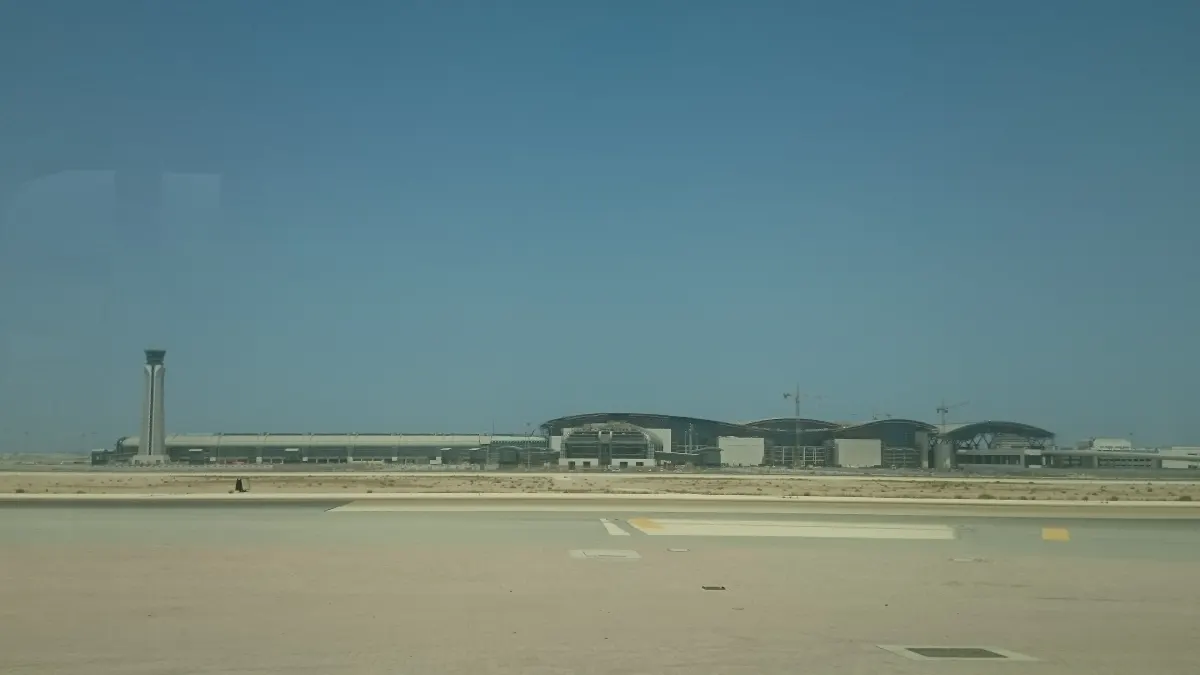
- Muscat is the main airport, about half an hour by car from Muttrah. Licensed app taxis and a Mwasalat bus run into the city: see Getting around Oman.
- Salalah, in the far south, has domestic flights and some international ones, with many more in the khareef season (June to September).
- Flights across the region have been disrupted several times in 2026. Check with your airline, and read Safety in Oman.
From the UAE by road
The drive from Dubai to Muscat takes about five hours plus the border, and buses take six or seven. The usual crossings are:
- Hatta / Al Wajajah: the main road from Dubai to Muscat.
- Al Ain / Buraimi and Mezyad / Hafeet: from Abu Dhabi and Al Ain, and the quickest way to Nizwa and the mountains.
- Khatmat Malaha, on the coast between Fujairah and Shinas.
- Al Darah / Tibat: from Ras al Khaimah to Khasab, in the Musandam exclave.
Not every crossing is open to every nationality, and the rules change, so check before you set out.
- The UAE charges an exit fee of about 35 dirhams at land borders, and you go through UAE exit and then Oman entry, sometimes several kilometres apart. Bring your hotel booking and insurance.
- If you need a visa, get the e-visa first: the visa on arrival that the UK mentions is for airports.
- Coming back, check that you can enter the UAE again (your visa may be single-entry).
- Cars: your insurance must cover Oman (the Gulf's orange card shows that it does). To bring a rental car from the UAE you need the company's permission in writing (a no-objection certificate) and Omani cover, which takes a few days to arrange and may only be for certain crossings. It's often simpler to rent in Oman.
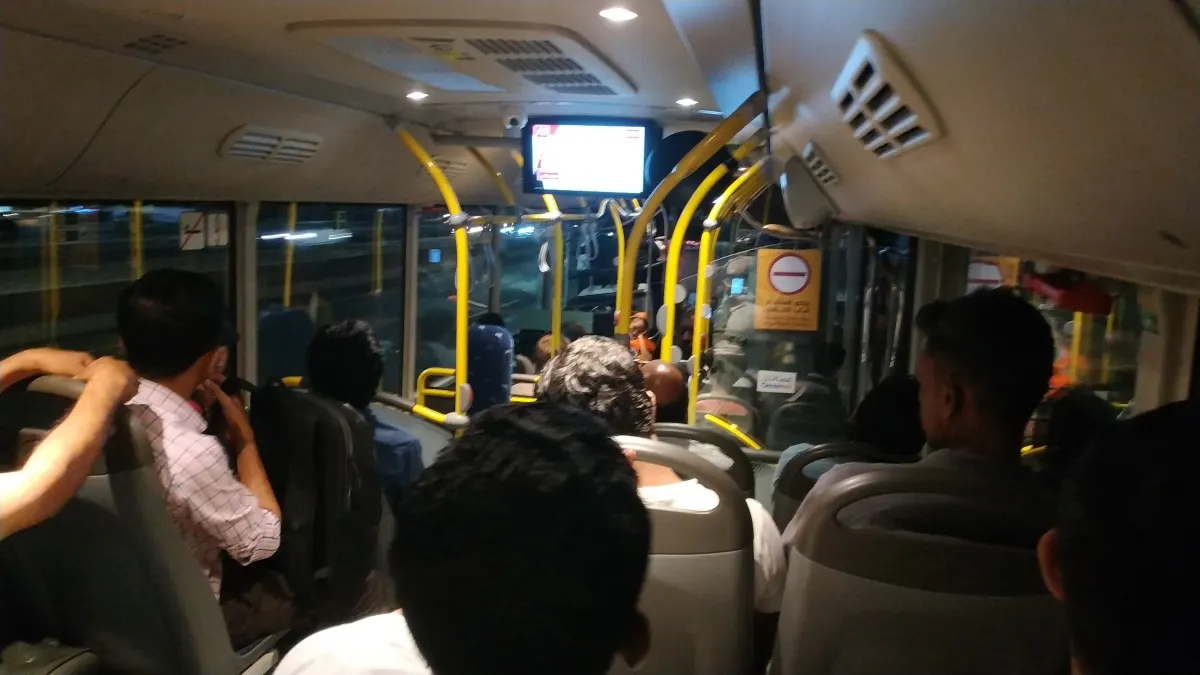
- Buses: Mwasalat runs between Muscat and Sharjah (with Sharjah's SRTA) and between Muscat and Al Ain, and private coaches run to Dubai several times a day. Check times and fares on mwasalat.om.
Musandam and Madha
- Musandam, Oman's northern tip at the Strait of Hormuz, is cut off from the rest of the country by the UAE. By road from Muscat you leave Oman, cross the UAE and enter Oman again, so you need to meet the UAE's entry rules as well, twice if you come back the same way. Some governments advise against going there at the moment: read Musandam and Khasab first.
- Madha is a tiny piece of Oman inside the UAE, with no border posts.
Saudi Arabia and Yemen
- There's a direct road to Saudi Arabia through the Empty Quarter, west of Ibri. It's very long, with almost no services, and you need a Saudi visa.
- Don't try to cross to or from Yemen: every government advises against travel there, and the border area is dangerous. See Safety in Oman.
See also: Getting around Oman and Money in Oman.



Comments
No comments yet.