
Money in Oman: rials and baisa, cards, ATMs, tipping, prices and bargaining
Oman isn't a cheap country, but it's better value than its neighbours if you drive yourself, eat where Omanis eat and camp or stay in guesthouses. The rial is one of the world's strongest currencies, so small-looking numbers can be large.
The rial
- The Omani rial (OMR, often written RO) is pegged to the US dollar: 1 rial is about US$2.60.
- It's divided into 1,000 baisa, not 100. Prices are written with three decimals, so 2.500 means two and a half rials, and 500 on a menu usually means half a rial.
- Notes run from 100 baisa up to 50 rials. Check the number of zeros, and have small notes for boats, cafés, souqs and taxis: 50-rial notes are hard to change.
- You can't easily buy rials abroad. Exchange offices in Muscat, at the airport and in the towns change euros, dollars, pounds and dirhams.
Cards and ATMs
- Cards work in hotels, supermarkets, petrol stations (most of them), restaurants in towns and shops in malls, often contactless and by phone.
- Cash is needed in villages, at desert camps, for the boat at Wadi Shab, for street food, at small cafés, in the souqs and for tips. Draw some out before you leave Muscat, Nizwa or Sur.
- ATMs are in all towns and at many petrol stations. Some charge a fee for foreign cards. If the machine offers to charge you in your own currency, refuse.
- Rental companies hold a deposit on a credit card in the driver's name.
What things cost
- Tea, a filled flatbread or a shawarma from a roadside café costs well under a rial, and a meal of rice and grilled meat or fish in a local restaurant a few rials. Hotel restaurants cost many times that, and alcohol there is expensive.
- Fuel is cheap. A 4x4 costs much more to rent than a saloon, so hire one only for the days you need it.
- Wadis, beaches, mountains and most mosques are free. Forts and museums charge, often more for foreign visitors. At Ras al Jinz, the reserve's site lists its turtle tour at 12 rials for adult tourists and 6 for children aged 6 to 12.
- Room prices in Salalah can double in the khareef season, when hotels are full.
Tax and service
There's a 5% VAT. Hotels and bigger restaurants add a service charge and tourism or municipality taxes on top, so a price marked "++" will be noticeably more on the bill.
Tipping
- Tipping isn't a strong habit in Oman, and nobody will chase you for it. In a local restaurant, round up; in a nicer one, about 10% is kind if no service charge is included.
- Hotel porters: about a rial. App taxis: not expected, but rounding up is welcome.
- Tip guides and drivers at the end of a tour, if you were pleased. When an Omani family invites you in for coffee, don't offer money: take a small gift, or give something to the children with the parents' agreement.
Bargaining
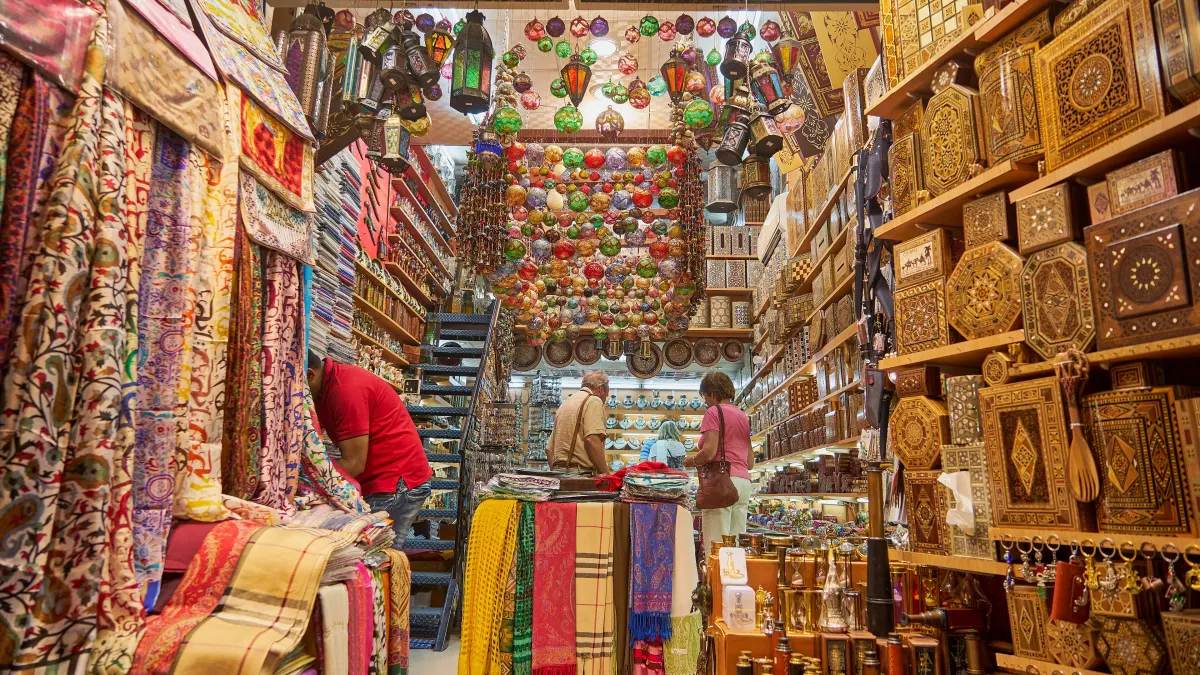
Bargain in souqs such as Muttrah and Nizwa, politely and with a smile: start at somewhat over half the asking price and expect a modest discount. Prices are fixed in supermarkets, malls and most shops. Good things to buy are frankincense, halwa, dates, rosewater, silver, pottery from Bahla and woven goat hair. Be careful of old silver and khanjars (curved daggers) sold as antiques: many are new, and some come from India. An old one may need a permit to leave the country, and a dagger must go in hold luggage.
See also: Getting around Oman and Omani food and drink.
Comments
No comments yet.