
Safety in Hong Kong: crime, scams, other risks and emergencies
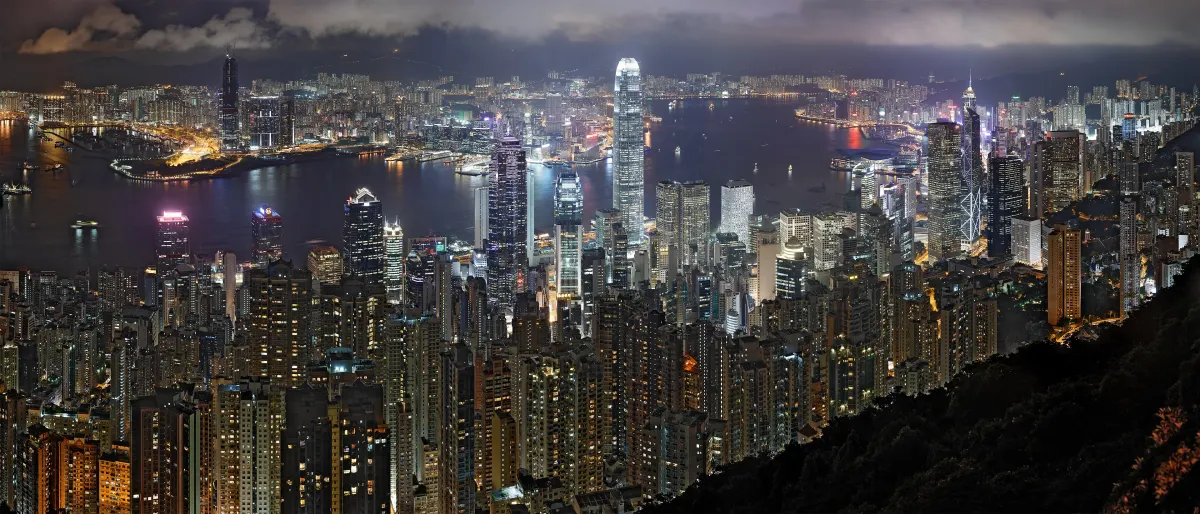
Hong Kong has very little violent crime, and most visitors never have a problem. These are the tricks to watch for. For the national security laws, see laws in Hong Kong.
Crime
- Violent crime against visitors is rare, and Hong Kong is generally safe to walk around at any time of night.
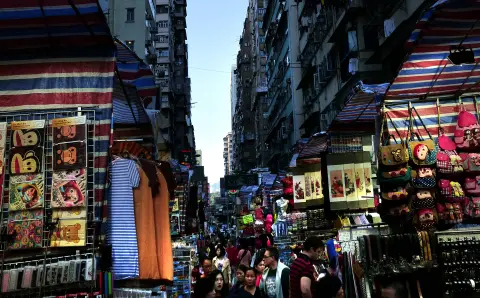
- Pickpockets work in crowded places: markets, the MTR at rush hour, the Peak and the harbour front at night.
- Bars: there have been reports of drink spiking and sexual assault in nightlife areas like Lan Kwai Fong and Wan Chai. Watch your drink, and be wary of bars where touts bring you in: some charge huge bills.
- Hiking: stay on marked trails, and see Hiking in Hong Kong.
Scams
- Fake monks hand out amulets or "blessings" in Central, Tsim Sha Tsui and Mong Kok, then ask for money. Real monks in Hong Kong don't do this.
- Phone and message scams: calls or messages from someone claiming to be the police, a mainland official or a courier, saying you're involved in a crime or have a parcel to pay for. Hang up. The police never ask for money over the phone.
- Electronics and camera shops in tourist areas may switch models, add accessories or quote a different price at the till. Check the price, model and warranty before you pay.
- Tailors and "copy watch" touts in Tsim Sha Tsui: fake goods are illegal, and may be seized when you get home.
Other risks
- Typhoons and rainstorms: see Typhoons and rainstorms.
- Heat: see When to go and heat and health.
- The sea: swim at beaches with lifeguards and shark nets, and not when the red flag is flying.
- Roads: traffic drives on the left. Look right first.
Emergencies
- Call 999 for police, fire and ambulance.
- Report thefts to the police for your insurance: the Tourist Hotline of the Hong Kong Tourism Board can help with other problems.
- If you're arrested, ask for your consulate to be told.
See also laws.



Comments