
Safety in Georgia: the occupied regions, borders, protests, crime and drug laws
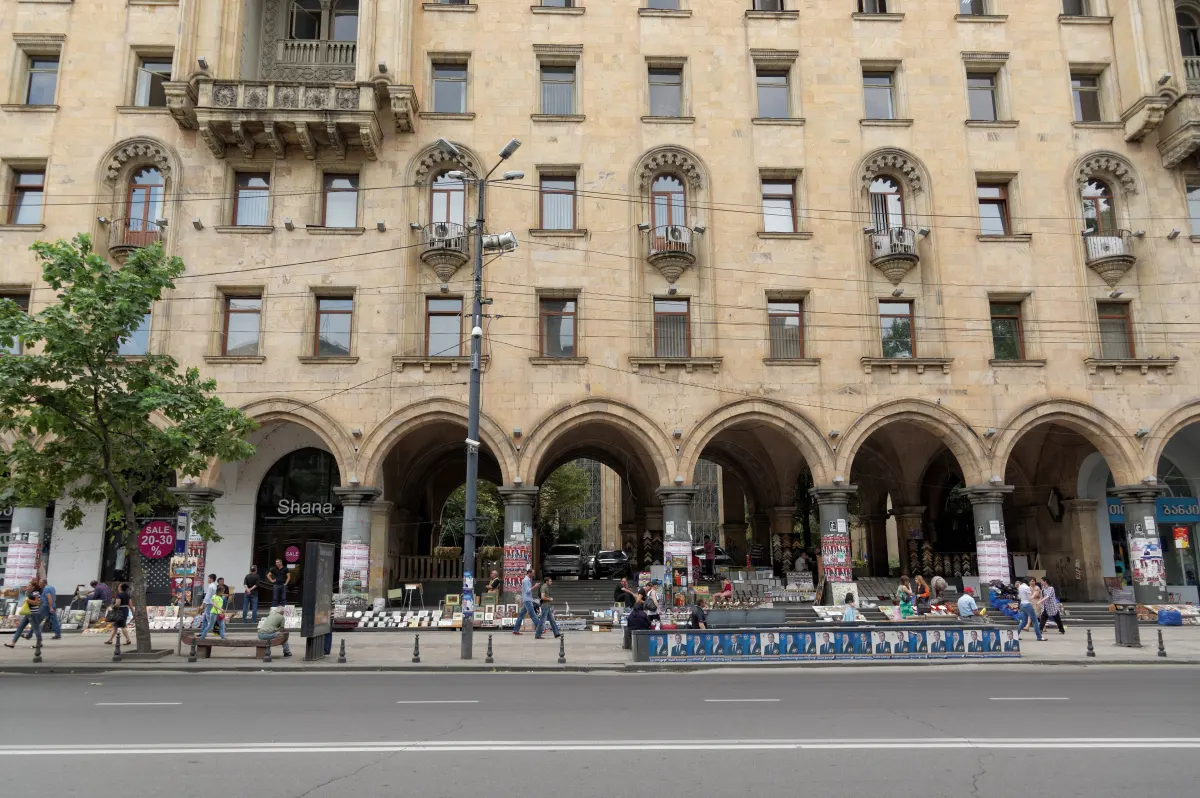
Georgia is generally a safe country to visit, with low crime, and most travellers have no trouble at all. The main things to know about are the two Russian-occupied regions, political protests, the roads and the mountains.
Abkhazia and South Ossetia
- The UK, US and Australian governments all advise against all travel to Abkhazia and South Ossetia (the Tskhinvali region), which have been occupied by Russia since 2008. Most travel insurance won't cover you there, and your embassy can't help you.
- The UK also advises against all but essential travel to the areas right next to the administrative boundary lines with the two regions. The lines are often unmarked and away from roads, and people who've strayed across them have been detained. Hire a local guide if you're walking anywhere near them.
- Entering either region from Russia is a crime under Georgian law: see Arriving in Georgia.
- Unexploded weapons are still a risk near the boundary lines and in parts of the border area with Azerbaijan. Stay on paths there.
- The border with Azerbaijan near the Davit Gareja monastery complex is unmarked and disputed. Follow the guards' and guides' advice when you walk up to the cave monastery on the ridge.
Protests
- Since late 2024 there have been political demonstrations in Tbilisi almost every day, mostly on Rustaveli Avenue outside the Parliament, and especially on Saturday evenings and on political anniversaries. Some have turned violent, with police using force, and there are protests in other cities too.
- Avoid demonstrations and large gatherings, and leave if one starts nearby. Check local news, and expect roads in central Tbilisi to be closed.
- Laws passed since 2024 bring large fines and detention for things like blocking a road, and foreigners can be expelled for administrative offences. The UK government says foreigners who've taken part in demonstrations have been questioned on leaving, or refused entry later. People with unpaid fines can be stopped from leaving the country.
Crime and scams
- Crime levels are low, but watch for pickpockets in crowds, on the metro and in busy tourist areas.
- Drinks have been spiked in bars and clubs. Buy your own drinks, keep an eye on them, and be wary of friendly strangers who suggest a particular bar, club or restaurant: some visitors have been landed with huge bills.
- Book taxis through an app rather than in the street, so the price is agreed: see Getting around Georgia.
- Ethnic minorities and LGBT+ travellers may face discrimination or harassment.
Drugs and the law
- Penalties for drugs, including cannabis, are very harsh: the UK government says 5 to 25 years in prison and heavy fines, including for small amounts and in transit at the airport.
- Some common medicines are also illegal: see Arriving in Georgia.
- You don't have to carry your passport all the time, but you must show it if the police ask, so keep a copy on your phone.
Roads, mountains and nature
- The biggest everyday risk is the roads: fast, aggressive driving, poor roads, and animals. Wear a seatbelt, and avoid travelling on mountain roads at night.
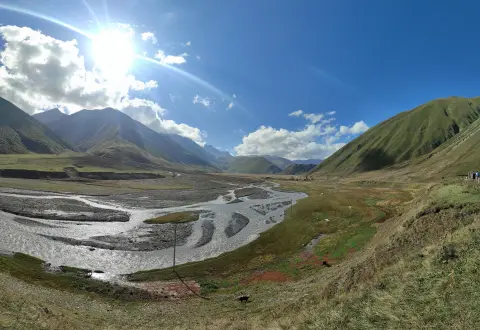
- Rescue in the mountains can be slow and limited. Take care on treks, especially alone: see Hiking in Svaneti and Kazbegi.
- Landslides and mudflows happen in the mountains after heavy rain, and can close roads for days: in August 2023 a landslide at the resort of Shovi, in Racha, killed many people. Earthquakes are common, though most are small.
- Stray dogs are common. Most are harmless, but keep away from packs, and from the big shepherd dogs guarding flocks in the mountains: see Health about rabies.
In an emergency
Call 112 for police, ambulance and fire, or use the 112 Georgia app: see Phones and apps. Check your own government's travel advice before and during your trip, as the situation can change quickly.
Comments
No comments yet.